
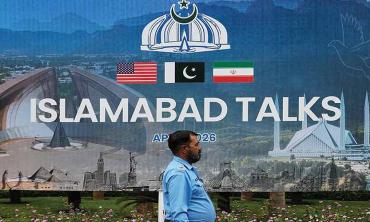
Global attention shifts to Pakistan as it plays the role of a mediator between the East and the West
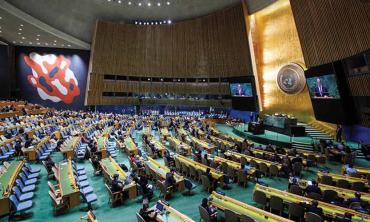
Looking back at the history of world diplomacy and how time has shaped its modern contours
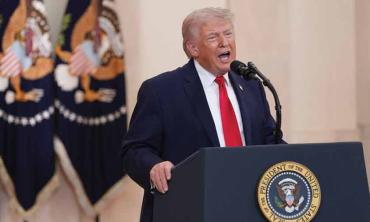
Philosophical approaches to conscience and pragmatism as viewed in history and politics
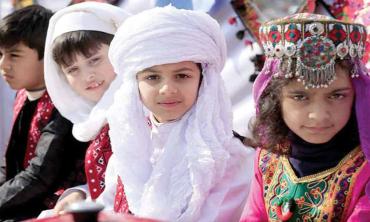
Conscience can bridge the assertion of identities by providing a moral framework, rising above divisions
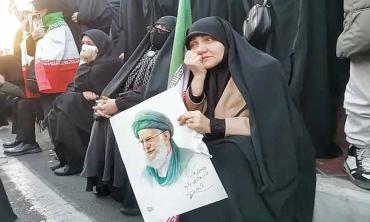
US adventures in Iran and Venezuela show that the world’s sole super power is in the grip of an imperialist impulse
The stories about the Partition are so horrendous that the generosity of nationalist versions does little justice to the horror of individual accounts
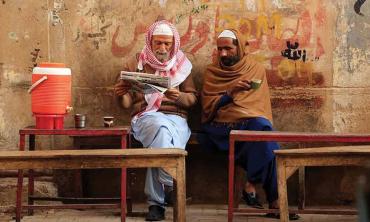
Political parties always promise good governance. Do the ground realities shake their faith in the cause once they are in power?
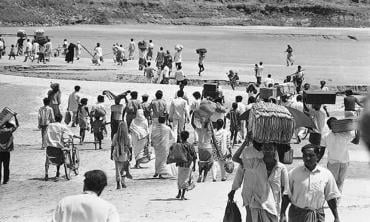
The regional and class disparities in 1971 were outcomes of enduring colonial state structures
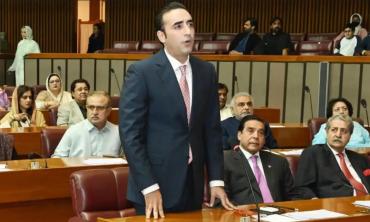
How the PPP’s legislative record squares up with its stated ideology
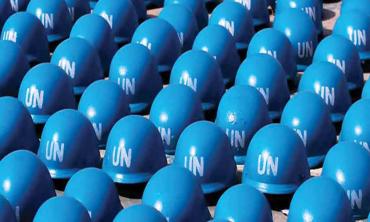
Do UN peace operations prioritise maintaining existing power structures over addressing injustice?
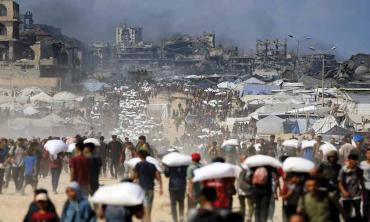
The ongoing genocide in Gaza remained a major theme at the UNGA. What does this mean for Palestinians?
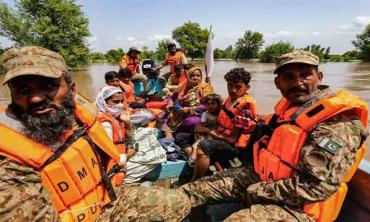
A cycle of natural disasters challenges legitimacy of state institutions by restoring or eroding public trust
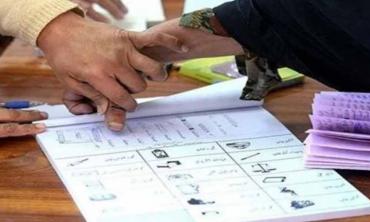
Democracies do not collapse abruptly; they deteriorate with a gradual weakening of democratic institutions
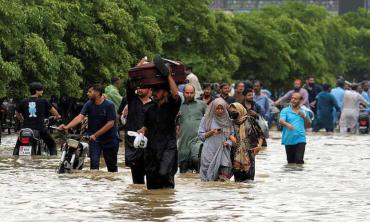
Flooding of urban centres has become a frequent phenomenon. Beyond the infrastructural losses, what price do the people pay?
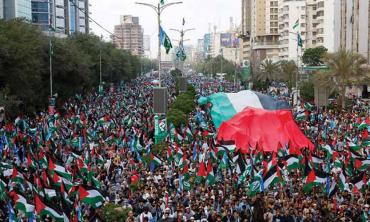
A historic look at Pakistan’s stance on the Palestinian issue
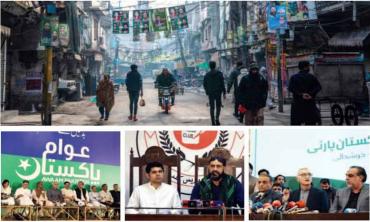
Do the smaller political parties, operating on the periphery, have what it takes to challenge the mainstream?
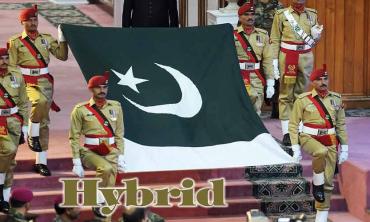
Hybrid regimes initiate a vicious cycle where democracy cannot deliver effectively
The NPT is the most widely adopted arms control mechanism with 191 countries as its signatories
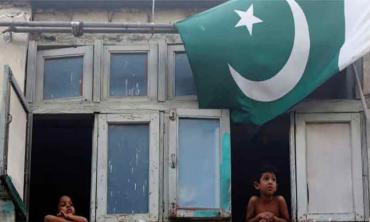
Historically, budgets have mostly been seen by the common man as favouring the elite
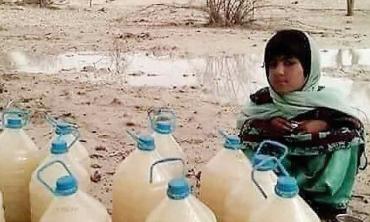
70 percent of Pakistan’s population has only limited access to safe drinking water



