Print Story
X




Geopolitics and the macroeconomic situation have muted Eid-ul Azha celebrations in Pakistan
| E |
id-ul Azha has always been far more than a religious occasion in Pakistan. It is a vast social and economic phenomenon that touches almost every segment of the society. Millions of Muslims commemorate the spirit of sacrifice associated with Prophet Ibrahim (peace be upon him), while pilgrims from across the world gather in Makkah to perform Hajj.
The annual pilgrimage remains one of the largest recurring human gatherings on earth. Alongside Hajj comes the ritual of qurbani, where Muslims sacrifice animals, such as cows, bulls, buffaloes, goats, sheep and camels. No other event in the world generates such a massive volume of animal trade and sacrifice over so few days.
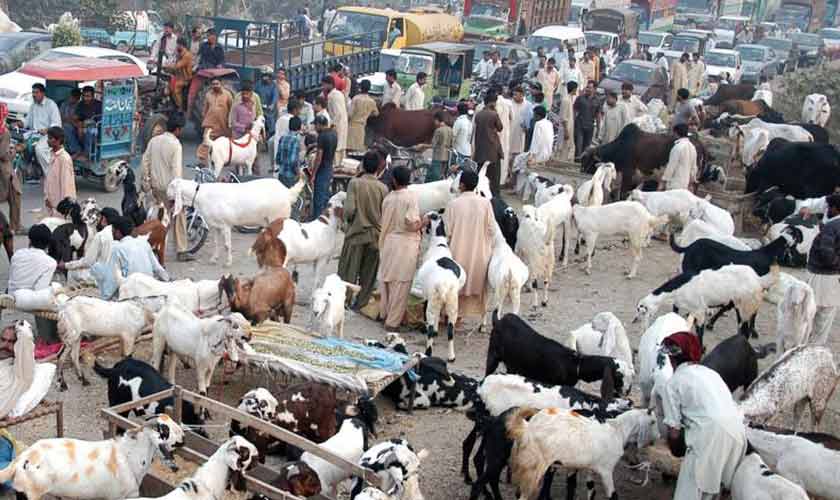
In typical years, Eid-ul Azha injects enormous liquidity into Pakistan’s economy. Farmers, livestock breeders, transporters, fodder suppliers, rope makers, truck operators, butchers, tanners, retailers and temporary labourers all benefit from the seasonal boom. Entire markets emerge across cities and villages. Roads become crowded with decorated animals transported from rural areas to urban centers. The festival traditionally creates a rare moment when money flows from cities into Pakistan’s rural economy.
But this year appears different. The Middle East is facing grave geopolitical tensions, with war clouds hanging over a vast region surrounding the holy sites. Global inflation, disrupted trade routes and uncertainty in oil markets have added to economic anxieties across Muslim countries. Pakistan, already trapped in prolonged economic instability, is approaching Eid-ul Azha under extraordinary financial stress. For many families, especially in the lower middle class, the spirit of sacrifice is colliding with harsh economic realities.
For decades, Pakistan’s economy has remained fragile, surviving on loans, remittances and temporary stabilisation measures. Yet even during severe downturns, Eid-ul Azha has retained its traditional scale. Families adjusted expenditures but still managed to participate in qurbani. This year, however, the pressure on household incomes has become unbearable for large sections of society.
Inflation has steadily eroded purchasing power. Salaried households, pensioners, small shopkeepers and lower-tier professionals have seen their incomes stagnate while essential expenses continue to rise. Electricity bills, gas charges, school fees, transportation costs and food inflation have consumed family budgets. The same middle class that once formed the backbone of urban sacrificial markets is now struggling merely to manage household survival.
The impact is visible in livestock markets. Animal traders complain that visitor footfall is lower than previous years. Many buyers spend hours surveying markets without making purchases. Many families that once purchased whole animals are now seeking shares in cows or buffaloes. Many are delaying their decisions until the last days of Eid in hopes that prices may decline.
The lower middle class has been hit the hardest. This segment traditionally stretched finances to preserve social dignity during religious occasions. For government clerks, school teachers, junior private employees, small traders and daily wage earners sacrifice was often a deeply emotional social obligation. Even when incomes were modest, they found ways to participate. Today many of them simply cannot afford it.
A medium-sized goat now costs an amount equivalent to several months of utility bills for an average household. Larger animals remain beyond the reach of many families. Inflation in animal feed, transportation and veterinary expenses has sharply raised livestock prices. Breeders themselves are under pressure due to expensive fodder, diesel prices and shrinking margins.
This economic squeeze is changing social behaviour. In many urban neighbourhoods, families that previously sacrificed animals annually may not participate this year. Some households are pooling resources with relatives or friends. Others are limiting themselves to alternative charity instead of personal sacrifice. The emotional burden of this adjustment is immense because Eid-ul Azha carries deep religious and cultural significance.
The social consequences extend beyond those unable to perform qurbani. Millions of poor Pakistanis depend on sacrificial meat during Eid. For many low-income families, this is the only period in the year when they consume meat in meaningful quantities. In many villages and urban slums, sacrificial distribution temporarily improves nutrition levels. Children from impoverished households eagerly wait for meat distribution from affluent families.
If the scale of sacrifice declines substantially, the poorest citizens will suffer the most. Rising food prices have already reduced protein consumption among vulnerable households. Meat, pulses, milk and poultry are increasingly unaffordable. Eid-ul Azha traditionally softens this hardship for a few days through community sharing. A contraction in sacrifices means reduced distribution and deeper nutritional deprivation.
The shrinking festivities also expose widening inequality within Pakistani society. Wealthier segments may continue large sacrifices relatively unaffected, while lower-income groups quietly withdraw from participation. This visible contrast risks deepening feelings of exclusion and frustration. Eid has historically served as a social equaliser where even struggling households participated according to their means. The current crisis threatens that sense of inclusion.
The purchasing power of the salaried middle class has been decimated. Utility charges —particularly electricity and gas tariffs—have surged to levels where they match or exceed rent payments for average households. With the rupee continuously adjusting against the US Dollar, the cost of everything - from fuel to basic flour - has experienced exponential growth. When a family’s primary income is entirely consumed by immediate survival metrics—such as school fees, medical bills and monthly groceries—the allocation of capital for discretionary religious spending becomes impossible.
The economic slowdown surrounding Eid-ul Azha will also hurt numerous connected industries. Pakistan’s livestock economy depends heavily on this season. Thousands of temporary workers earn incomes through animal transportation, market management, feeding services and slaughtering activities. Informal labour markets flourish during Eid days. Reduced market activity directly impacts these livelihoods.
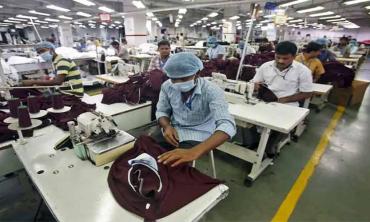
The leather industry will also feel the impact. Pakistan’s tanning sector traditionally receives substantial raw material supply from sacrificial hides. The leather industry has already been weakened by declining exports, energy shortages and international competition. A reduced number of sacrifices would further reduce raw hide availability, affecting downstream industries producing leather garments, footwear and accessories.
Rural economies are particularly vulnerable. Livestock serves as a crucial asset for small farmers and pastoral communities. Many families raise animals throughout the year specifically for Eid sales. The feast often provides their largest annual income. Weak demand or lower prices can severely disrupt household finances in rural Pakistan, where agricultural margins are already under stress.
Beyond economics lies a deeper psychological issue. Feasts and festivals have an important role in sustaining collective morale during difficult periods. Pakistan has endured years of political instability, economic uncertainty and declining public confidence. Religious occasions often provide emotional relief and social cohesion. A subdued Eid-ul Azha reflects not merely financial distress but a broader erosion of hope among ordinary citizens.
Eid-ul Azha in Pakistan has traditionally been defined by community interaction, vibrant public displays of livestock and large family barbecues. Children, who usually spend the weeks leading up to Eid decorating animals with colorful garlands and bells, are left with empty courtyards. The psychological toll on the middle class is profound. In a society where the inability to perform qurbani carries a heavy undercurrent of social stigma and personal failure, many heads of households are choosing to stay indoors or avoid extended family gatherings to escape the quiet judgment of their peers.
Amid these challenges, the resilience of Pakistani society remains remarkable. Even in difficult times, communities continue to display solidarity. Many affluent families are expanding charitable distributions to support relatives, neighbours and workers unable to afford sacrifices. Welfare organisations and religious charities are arranging collective qurbani programmes to ensure that the meat reaches poor households. Overseas Pakistanis are also contributing through donations and sacrificial arrangements for needy communities.
Mosques and local welfare networks are expected to play a greater role this year in coordinating meat distribution. Informal systems of sharing may partially offset the decline in private sacrifices. Pakistan’s social fabric, despite immense pressures, still retains traditions of mutual support that emerge strongly during religious occasions.
However, charity alone cannot substitute for economic stability. The difficulties highlighted during Eid-ul Azha reflect deeper structural weaknesses in Pakistan’s economy. Persistent inflation, stagnant wages, weak industrial growth, unemployment and declining purchasing power have steadily hollowed out the middle class. A society where even religious festivals become financially inaccessible for ordinary families signals serious economic distress.
The situation should serve as a warning to policymakers. Economic indicators cannot be judged merely through currency stabilisation or temporary fiscal adjustments. The true measure of economic health lies in whether ordinary citizens can maintain dignity, social participation and basic well-being. When millions begin withdrawing from deeply rooted cultural and religious practices due to financial hardship, the crisis has clearly entered the social domain.
Eid-ul Azha this year may therefore be a mirror reflecting Pakistan’s economic realities. Livestock markets, quieter neighbourhoods and reduced sacrifices are not isolated developments; they symbolise shrinking household capacity across the country. The poor fear hunger, the middle class fears decline and businesses fear stagnation.
Ultimately, the essence of Eid-ul Azha lies in sacrifice, compassion and solidarity. In difficult times, these values become even more important. Pakistan may witness a smaller economic celebration this year, but the spirit of sharing and empathy can still preserve the social meaning of the festival. Whether through a large sacrifice or a modest act of generosity, the occasion continues to remind the society of collective responsibility toward the vulnerable. The festive atmosphere has been replaced by a quiet, pervasive anxiety about what the post-Eid landscape holds under the weight of an unyielding fiscal crisis. The quiet streets and empty markets of this year’s Eid-ul Azha stand as a stark diagnostic indicator of Pakistan’s underlying economic distress. When a society’s vibrant, deeply ingrained religious and economic traditions are suppressed by financial challenges, the macroeconomic crisis has transitioned into a profound humanitarian challenge.
In a year overshadowed by economic hardship and regional uncertainty, that message may be more relevant than ever before.
The writer is a senior economic reporter