Print Story
X




Planning for improved traffic flow on roads and thoroughfares in urban centres comes at a price. Pedestrians often find themselves at the receiving end
| O |
ur cities are being taken over by motor vehicles of all kinds. The urban development initiatives are being overwhelmed by mobility choices dictated by vehicles and the connected paraphernalia. Streets, lanes, parking spaces, repair yards, service stations and a range of related spaces are inserted in our urban scape to promote and preserve car-dependent spaces. To own and operate a classy vehicle is seen by many as the ultimate attainment in life. One can find many in the choice list. SUVs, cruisers, sedans and double cabins have been added to our vocabulary unannounced. The biggest casualty here is the desirable activity of walking.
Spaces for walking are routinely sacrificed whenever a need to expand road space is cited. Similarly, while constructing flyovers or grade-separated turnings for vehicles, pedestrian spaces are conveniently sidelined or rendered ineffective. These approaches lead to frightening outcomes in our cities.
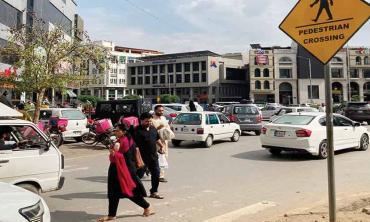
Take the example of Karachi. The sight of frightened school children holding hands of their parents in a chance bid to cross the busy Shara-i-Faisal every morning is petrifying. Young children hurtle across the fleeting vehicles to reach schools across the street. Thanks to the ill-conceived concept of signal-free corridors, the mean velocities of cars and other vehicles have increased tremendously.
With no speed limit regimes worth the name, drivers enjoy a field day, accelerating vehicles well beyond safety limits. The ultimate brunt is borne by hapless pedestrians. A few days ago, a child died after a dumper truck hit him in Baldia Town. In another incident, a woman and a boy died when hit by a speeding vehicle in Landhi. The tally continues to grow as e-traffic challans—now despised by many—fail to rein in erring drivers.
If one looks at the rising number of cars on our urban corridors, it will be very difficult to believe that Pakistan is a poor and debt riddled country. The swarming vehicles exert enormous pressure on the limited right of way to facilitate their movement. At times, this pressure succeeds in annexing the shared alignment normally kept for other modes of transport and in reducing space for pedestrian movement. In more congested areas, the road widening schemes are undertaken as a routine solution to create more room for car movement. In many cases, the adjustments also block possibilities of pedestrian road crossings by creating physical barriers and unsurpassable curb grills.
Most cities and towns in our country are located in very warm weather zones. For pedestrians to walk long distances to avail overhead crossing—where it exists—is highly unlikely. Needless to say, roads and streets have become un-crossable due to so called ‘road improvements.’ Whereas walking space has vanished, the construction of barriers completely disrupts the movement of common people along thoroughfares.
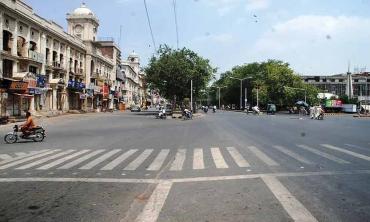
Owning and using a car is not a crime, provided people abide by traffic laws, rules and regulations. In our case, the opposite happens. Those in the driving seats apparently consider themselves above the law. When acting as speed thrill merchants, they tend to frighten pedestrians. Speeding vehicles whizzing away and over stepping red lights, zebra crossings and slow movement zones has become a daily observation on our roads.
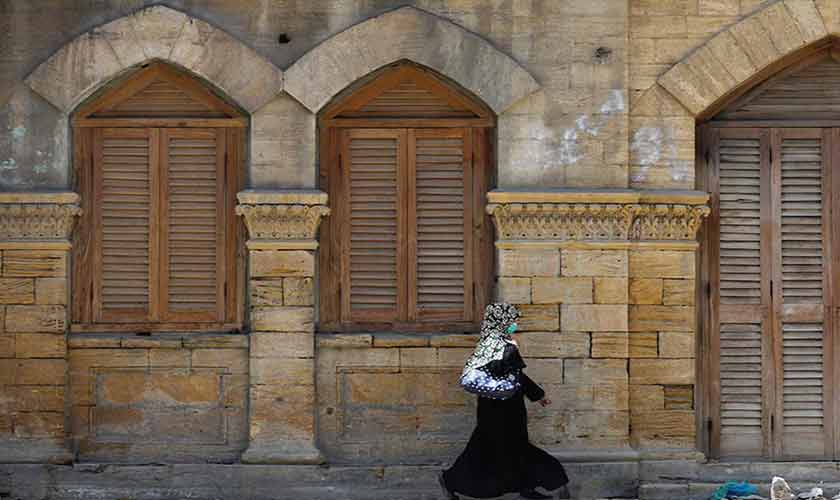
One can make walking a desired choice of mobility. This will happen only when the elite, rich and powerful take the lead.
There are several reasons for this state of affairs.
In large urban centres, cars are usually driven by drivers from hinterlands who generally lack sufficient knowledge of traffic regulations and their implications. They learn to operate vehicles in a rudimentary manner without learning traffic rules and principles of road safety. This includes drivers of public transit vehicles. Lawless driving attitudes are routinely displayed by drivers of government vehicles, water and oil tankers, police force and goods transport vehicles.
Under-aged drivers are often seen speeding along the streets on cars and motorcycles. Many pedestrians have been severely injured as a result. In some cases, they have even lost their lives due to the unruly behaviour of such motorists and motorcyclists. The traffic police—always in short supply—are often a silent spectator.
Some politicians claim to have invested heavily in urban transport improvement. When one examines the situation, it is found that most of such investment is made mainly for the facilitation of cars and other automobiles. Negligible input is intended to help pedestrians. For instance, wherever vehicle conflicts are found, civic agencies develop grade separated movement corridors. In contrast, no attention is given to the problems of pedestrians that are being compounded with each passing day.
The absence of traffic management on interchanges to allow pedestrians to cross roads; prevention of routine parking of vehicles and motorcycles on footpaths/ sidewalks; encroachments on roadsides and footpaths; excavations and road widening with no regard for pedestrian safety; absence of sun shade and protection from rains along bus stops/ public spaces; hazardous installations, including outdoor signage/ publicity hoardings, electricity pylons and poles across footpaths; and a lack of sufficient facilities for disabled pedestrians are a few core issues that affect the safe survival of millions of folks on the streets.
Pedestrian bridges serve very few users. They are not helpful for the elderly and the children. It is deplorable that pedestrians are not even protected by law. The authorities can make walking a desired choice of mobility. This will happen only when the elite, rich and powerful take the lead. One would wish to see a prime minister or a chief minister walking or going to work using common street transport.
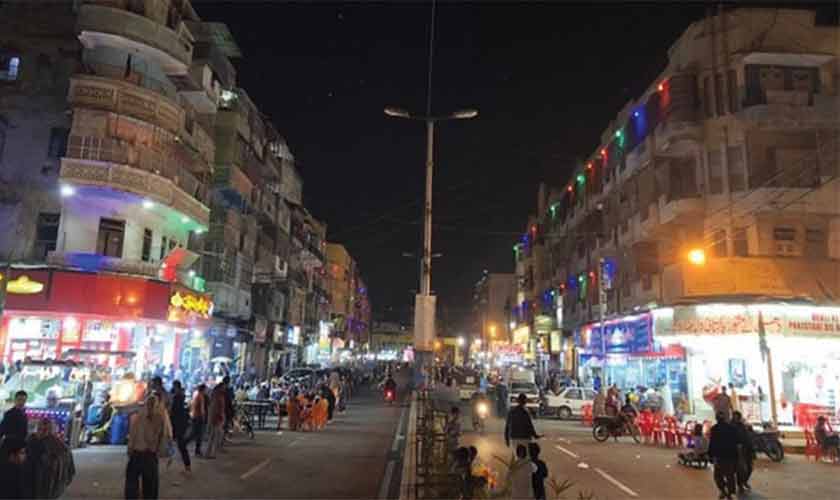
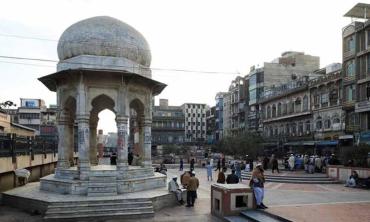
Designed pedestrian experiences like the Lahore Fort precinct under the Walled City Authority or the heritage walk trails in historic Karachi need to be celebrated and promoted. Food streets may be adjusted to remain pedestrian after sunset. Whether Lakshmi Chowk and Anarkali in Lahore or Burns Road and Creek Walk in Karachi, walking should be favoured and encouraged, especially amongst Gen Z and Gen Alpha. This will, in time, encourage the rest to adopt walking as a desirable alternative when and where possible.
The writer is an academic and researcher based in Karachi.