Print Story
X




Major parts of the city present significant obstacles for pedestrians, even if development projects have improved the situation in some places
| W |
alking is one of the most common and affordable modes of transport in Peshawar. Yet for many, navigating the city on foot is often challenging, uncomfortable and, at times, unsafe.
While recent urban development projects have improved conditions in some neighbourhoods, large parts of the provincial capital continue to present significant obstacles for pedestrians. Congested roads, encroachments, illegal parking, inadequate crossings and safety concerns frequently force people to compete with vehicles for space.
A “walkable city” is one where residents can safely and conveniently reach schools, markets, parks, workplaces and public services on foot. In Peshawar, such conditions exist only in select pockets.
The contrast is particularly visible along the city’s busiest traffic corridors. From GT Road and Khyber Road to Charsadda Road, Kohat Road and commercial areas around Haji Camp, pedestrians often struggle with heavy traffic, dust, noise and blocked footpaths.
Walking is then undertaken as a necessity rather than a comfortable choice.
One of the most significant improvements in recent years has come through the Bus Rapid Transit system. Pedestrian bridges constructed at BRT stations have made road crossings safer and more convenient for commuters. Sidewalks and pedestrian facilities have also been upgraded along parts of the BRT corridor.
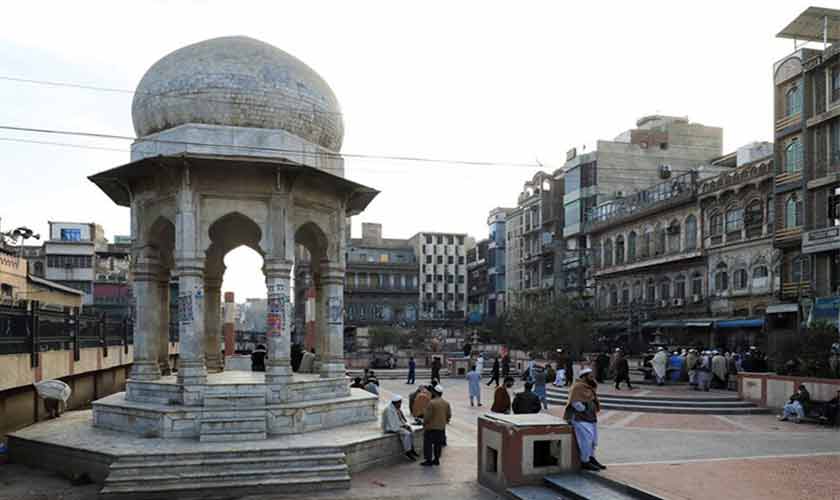
Similarly, areas such as Qissa Khwani Bazaar, parts of the Old City, Namak Mandi, sections of University Road and the cantonment offer relatively better walking conditions than other parts of the city.
However, major challenges remain.
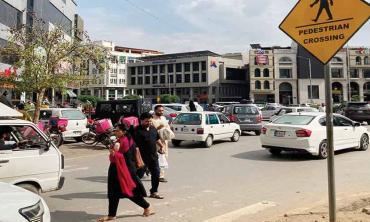
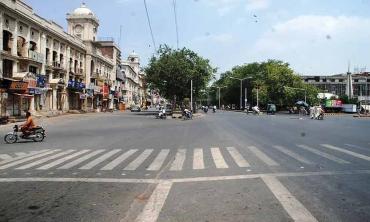
Pedestrians often face difficulties crossing busy roads, particularly at locations such as Haji Camp Adda, Charsadda Adda and Suri Pul, where dedicated and safe crossing points are inadequate. Where footpaths exist, they are frequently occupied by vendors, encroachments and illegally parked vehicles.
The problem is evident along Jail Road, stretching from Peshawar High Court and Nishtar Hall towards Saddar. Although sidewalks are available, many are rendered unusable because of parking violations.
A few years ago, authorities attempted to transform parts of Saddar into a pedestrian-friendly zone. The initiative initially improved accessibility and reduced traffic pressure. Over time, however, parking and congestion gradually returned, eroding many of the gains.
For many residents, security concerns add another layer of difficulty.
Bilal Hussain, a resident of Regi, says pedestrians face multiple challenges in the city. “Footpaths exist in many areas but shopkeepers often allow street vendors to occupy them. Sometimes they even charge rent for the space,” he says. “As a result, pedestrians are forced onto busy roads because sidewalks are blocked.”
Hussain says concerns about street crime also discourage people from walking. “There are areas where pedestrians fear snatching incidents. Motorcycle-riding robbers often target people walking alone. Until safety improves, many residents will continue to feel insecure while travelling on foot,” he says.
He believes that stricter enforcement against illegal parking, roadside encroachments and unauthorised transport stands is essential to improving pedestrian mobility.
However, there are those who share a different experience.
Nasser Ali, a resident of Hayatabad, regularly walks with his family in the mornings. He points to facilities such as Shalman Park, Bagh-i-Naran and the recently developed walking and cycling track connecting parts of Phase IV and Phase VII as examples of positive urban planning.
“Compared to other areas of Peshawar, Hayatabad is comfortable and pedestrian-friendly,” he says. “The parks and walking tracks encourage people to exercise and spend time outdoors.”
Nevertheless, he acknowledges that incidents of street crime are occasionally reported, even in Hayatabad.
The city faces a shortage of continuous and well-maintained sidewalks, limited facilities for persons with disabilities, widespread use of footpaths by motorcycles and a lack of trees and shaded walkways, particularly during summers.
The provincial government has launched a Rs 200 billion Peshawar Revitalisation Plan. Approved earlier this year, it aims to address some of the city’s growing infrastructural needs. Officials say development schemes worth Rs 21 billion have already been initiated under the programme.
Work is currently under way on the Dalazak Road Underpass, while groundbreaking ceremonies have been held for the Pishtakhara Underpass, Jameel Chowk Underpass and Hazar Khwani Overpass. The plan also includes the rehabilitation and beautification of 35 roads across the city at an estimated cost of Rs 19 billion, with work on 15 priority roads expected to begin in the first phase.
Officials describe the revitalisation of Peshawar as a major government priority, noting the city’s historic role in hosting displaced populations from Malakand Division and the former tribal districts during periods of conflict and crisis.
For residents such as Murd Khan of Dalazak Road, however, the pressures of rapid urban growth are evident. He says life in Peshawar largely revolves around two major transport corridors: GT Road, which becomes Khyber Road and later, University Road through different sections of the city; and Ring Road. Most residents depend on these arteries for daily movement.
“People from across Khyber Pakhtunkhwa continue to come to Peshawar in search of employment opportunities,” he says. “The growing population is putting enormous pressure on roads and public spaces.”
He says increasing numbers of roadside stalls and handcarts occupying footpaths have further reduced space for pedestrians. “Every year it becomes more difficult for people to walk safely and comfortably,” he says.
The writer is a multimedia producer.