Print Story
X




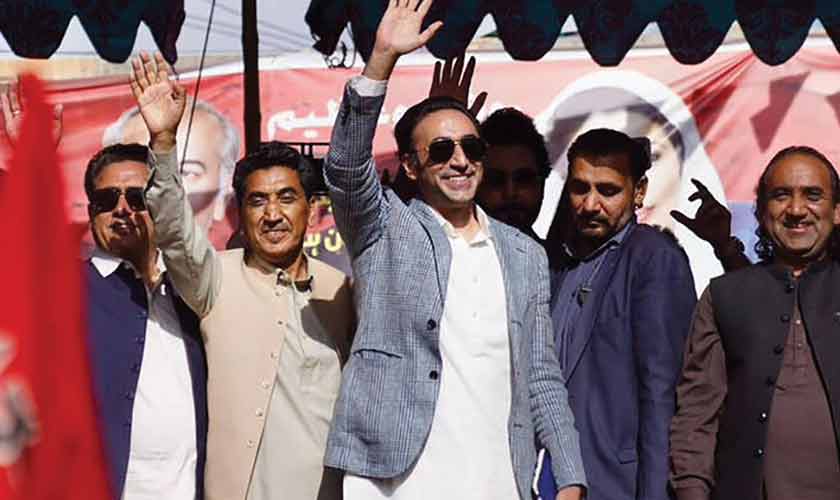
The PPP re-emerges as the largest single party in Gilgit-Baltistan
| G |
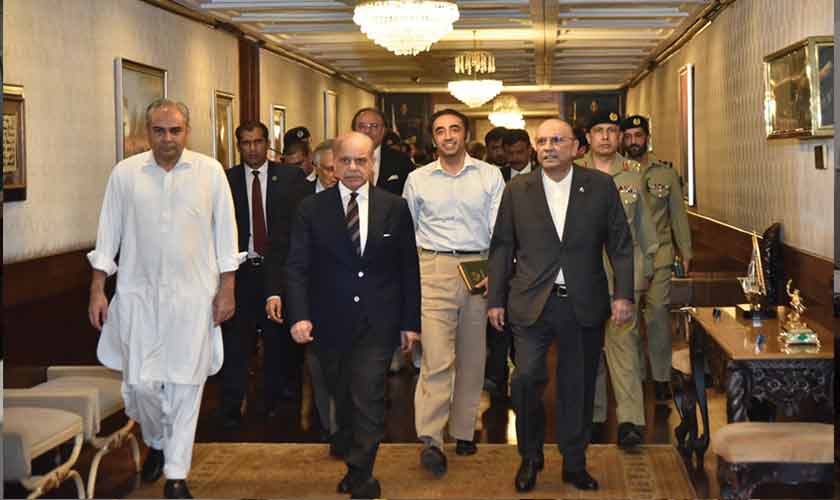
ilgit-Baltistan appears headed for coalition rule. In the June 7 regional elections, the Pakistan Peoples Party emerged as the largest single party, but failed to secure the 13 seats needed for a simple majority of the 24 directly elected seats.
Consolidated unofficial results indicate 10 seats for the PPP, six for Pakistan Muslim League-Nawaz and two for the Majlis Wahdat-i-Muslimeen. Pakistan Tehreek-i-Insaf-backed independents may have four seats.
GB Chief Election Commissioner Raja Shahbaz Khan has stopped consolidation of results, citing pending postal ballots and re-polling. In a directive to returning officers, the CEC said: “Do not open, scrutinise or count the postal ballots and do not finalise, consolidate, announce or issue the final result of your constituency” until re-polling is completed.
Re-polling will be held on June 15 at 26 polling stations across five constituencies in view of complaints of mismanagement by some candidates. The seats affected include key constituencies where margins are narrow. Postal ballots from government employees and security personnel are also yet to be counted. This could slightly alter the final tally.
Turnout was estimated at around 50 percent, slightly lower than the 55 percent recorded in 2020.
The PPP and the PML-N have both started talks to reach some power-sharing arrangement for the next five years. Sources say a 60-40 formula has been proposed for cabinet portfolios. The PML-N also wants its nominee to be named as governor.
The PML-N, however, is not contesting the outcome. Deputy Prime Minister Ishaq Dar has gone ahead and congratulated the PPP on its victory.
The outcome marks a significant shift from GB’s electoral history. Since 2009, the party ruling in Islamabad has easily won and formed the GB government. The PML-N won a two-thirds majority in 2015 and the PTI 10 seats in 2020. However, the 2020 outcome was marred by allegations of rigging. This time, however, the party leading the government in Islamabad has not done so well in the region.
The PPP victory has come as a surprise to some, including some political analysts, who had predicted a PML-N victory in line with the past trends.
For his part, Prime Minister Shahbaz Sharif has felicitated the people of GB, welcoming the “transparent, peaceful and politically vibrant” elections in the region. He has also congratulated the PPP leadership.
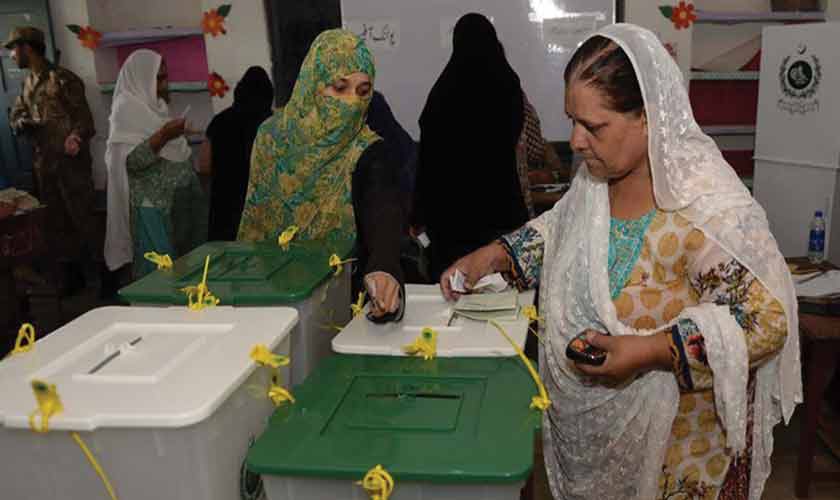
On June 15, re-polling will be held at 26 polling stations across five constituencies. The seats affected by alleged irregularities include key constituencies where margins are narrow. Postal ballots from government employees and security personnel have also not been counted. This could slightly alter the final tally.
“The PPP victory surprise me although I had realized that the party was quite popular among the youth and women. Most women were supportive of the party because of the Benazir Income Support Programme, the social protection project that delivers regular stipends to needy women,” Ghulam Abbas, a voter in GB said.
The situation has brought the leading parties – the PPP and the PML-N together to discuss a coalition rule in the event that no party gets a simple majority after the consolidation of results. Sources say a formula under discussion is 60-40 division of ministries, with the PPP getting the chief minister’s office.
PML-N’s GB leader Hafeez-ur Rehman has said it is too early to say who might form the next government. “We will wait till the [announcement of] final official results.”
“Overall, the elections were peaceful. There were no law and order situations. However, the PTI has its reservations. PTI supporters say they were not allowed to freely campaign for their candidates,” Azhar Ali, a resident of Hunza said. The PTI is also complaining that it was unfairly denied an electoral symbol.
Another upset in these polls has been the marginalisation of religious parties. In the previous elections, candidates fielded by these parties had polled a significant number of votes. This time the Tehreek-i-Islami fielded several candidates and sounded fairly satisfied with its campaign However, it failed to win even a single seat. Similarly, Jamiat Ulema-i-Islam (Fazl) was in the field with at least nine candidates but won no seats. Istehkam-i-Pakistan Party, rumoured to have the support of the military establishment, too, won no seats despite contest at least 15.
Maulana Fazl-ur Rehman, the JUI-F chief, has outright rejected the results. “Based on the information we have received, we have decided to reject the results of the elections held in GB,” he said, in a joint presser with the PTI leadership.
The PTI has announced it intends to issue a white paper detailing “electoral irregularities” in the GB elections. PTI chairman, Barrister Gohar Ali Khan, has said his party was not allowed to campaign in the days leading up to the election. He has alleged that there was of an “arrangement aimed at eliminating the party from the polls.” PTI has also claimed that its polling agents were denied Form 45, calling it a violation of election laws and saying this reinforced their concerns over tampering with results. The party has also alleged pre-poll rigging, including changes in voter lists, duplication of voter entries at some polling stations, interference by police and administration and harassment of candidates and party workers.
A Gallup survey ahead of the polls had predicted that the PTI was going to do well. It had said it will be closely followed by the PPP. The Gallup has since said the difference of polled votes between the PPP and the PTI lies within the error margin. It says the survey had predicted close races between the PPP and the PTI so that the outcomes would depend on the polling day dynamics.
The author is a staff reporter. He can be reached at [email protected]. He tweets at @waqargillani