Print Story
X




From traditional butchers to modern state-of-the-art slaughterhouses, slaughter services for Eid-ul Azha have evolved over the years
| E |
very year after Eid-ul Azha, social media is filled with videos showing animals being slaughtered in streets; sometimes, the slaughter takes place in rushed conditions and where butchers struggle to manage heavy workload. Some other videos show injuries to butchers and their helpers.
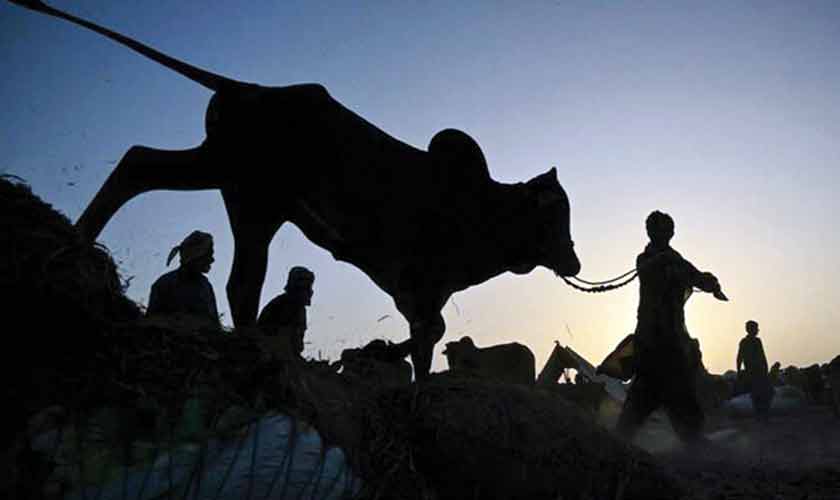
Traditionally, animal sacrificial services include three main streams: traditional street butchers; organised farm-based services; and modern slaughterhouses. Each system works in its own way; all, however, face the same challenge: handling a large number of animals in a very short time.
“Slaughtering an animal requires expertise, strength and temperament. Unfortunately, many people doing this work during Eid lack these attributes,” says Taimur Ahmed, a meat-seller in Gulberg II, Lahore.
He says that during Eid-ul Azha, many untrained hands enter the business to make quick money. But this, he says, often creates problems for their customers. 30 to 40 percent of the people working during Eid are temporary workers, he says, “who come from outside the city.”
“Out of five people, one or two are trained workers while others are helpers kept to reduce labour costs,” he says.
This year, he says, slaughtering charge for a goat has been fixed at around Rs 12,000. The market rate for slaughtering cows and bulls is around Rs 35,000. He says that the fee for larger than usual animals depends on their size and weight.
Butchers, he explains, normally prioritise old and regular clients, with whom they have built trust over the years.
“Shopkeepers first deal with customers who stay connected throughout the year. New customers are usually accommodated through references,” he adds.
Ahmed starts his sacrificial work right after Eid prayers. This means his team begins slaughtering as early as 6 am. Several teams are formed depending on the workload. For large animals, more workers are required—each person is assigned a specific responsibility.
“One worker handles slaughtering and another cleans up. Helpers carry meat and equipment,” he explains.
Ahmed and his team handle more than 100 animals over the first two days of sacrifice. He says 10 to 15 workers are involved in the work, including several permanent employees of his meat shop.
Some of the larger teams in the market slaughter as many as 400 goats in a single day, he says.
He says there has been a change in public preference in recent years. “More people now prefer slaughtering animals away from their homes because this makes for a cleaner and better organised process.”
“Through shops, customers get proper packaging and have to carry less mess home,” he says.
Bookings and scheduling for customers often begin weeks before Eid. However, time slots for regular customers are usually fixed.
He says professional shopkeepers avoid overbooking, “because they have to maintain their reputation and year-round relationships with their customers.”
Ahmed and his team handle more than 100 animals over the first two days of sacrifice. He says 10 to 15 workers are involved in the work, including several permanent employees of his meat shop.
Tahir Abbas, a professor at a private university in Islamabad, has been overseeing collective animal sacrifice for community members at a private housing society for the past nine years. When they began the service, they had two bulls; this year, they have six.
Abbas and his team first visit livestock markets to find animals. Earlier, they used to keep animals at their houses a few days before Eid. Later, he says, they realised this was risky. “Animals could fall sick and proper care was difficult to organise in the city.”
Now, he says, they keep animals on farms located near villages around the city. These farms handle feeding, medical care and overall livestock maintenance.
Abbas says animals are brought from Dera Ghazi Khan, Layyah, Bhakkar and Multan. “Sometimes changing climate causes animals to fall sick,” he says. “Now we bring animals to farms several months in advance so that they can adjust to the local environment.”
The farms also provide medical support with doctors who regularly check the animals and prescribe medicine when needed.
The slaughter involves trained butchers; helpers assist in the work. “At one farm, around 70 to 80 animals are slaughtered,” he says.
The slaughter involves many steps such as bringing down the animal; skinning and cleaning; cutting the meat; and then weighing and packing it in distribution bags. Each animal is marked for clear identification.
Last year, he says, the standard charge for slaughter services ranged between Rs 15,000 and Rs 18,000. This year, he estimates that it would increase to between Rs 25,000 and Rs 30,000 for a bull.
While many turn into butchers on the street, professional slaughterhouses have emerged in big cities, where technology is used for meat processing.
Usman Nazar of Tazij Meats and Foods says his company does not usually serve the general public directly. He says, they mainly receive orders from institutions and bulk order clients.
“In Pakistan, many people prefer to carry out the sacrifice themselves. People also take part in the slaughter with butchers; it is a tradition,” he says.
According to Nazar, major reasons people do not use slaughterhouse services are cost and lack of awareness. Many people, he says, are not even aware that private slaughterhouse services are available. He says there are seven registered units in Lahore that provide regulated slaughtering services. 35 facilities exist across Pakistan. The list of registered slaughterhouses is available on the website of the Animal Quarantine Department.
Nazar says that the Punjab Food Authority is currently working on a system where meat supply comes only through registered and approved slaughterhouses. Lahore, he says, has a few large government slaughterhouses but their capacity is limited.
“If private slaughterhouses are included in the supply chain, hygiene will improve and transport costs will come down,” he says.
In hot weather, if meat is not cooled right away, he says, bacteria tend to grow fast, spoiling the meat. “At slaughter houses, meat is cooled immediately after slaughter. Meat cutting starts once it reaches the proper temperature.”
The writer is the editor of an English daily. He can be reached at [email protected].