Print Story
X




Health professionals talk about medical emergencies witnessed in hospitals during and after Eid holidays
| A |
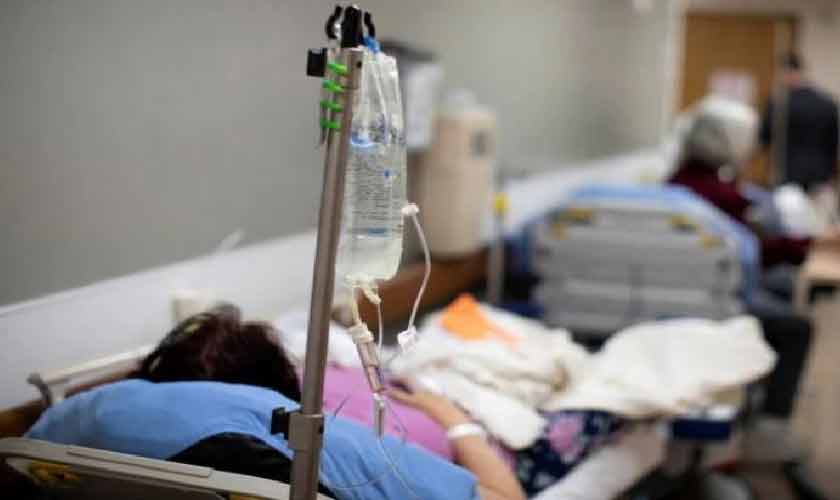
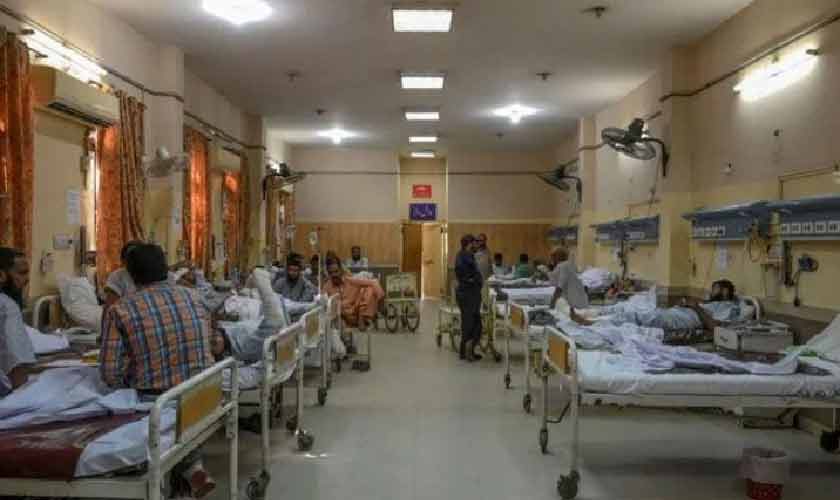
s Pakistanis plan to feast on sacrificial meat amid festive family reunions, emergency wards quietly brace for a different side of Eid-ul Azha: gloomy scenes around stretchers; trauma injuries; food poisoning and dehydration; worsening chronic illnesses—most, if not all, avoidable.
Every year, the days immediately after Eid bring a predictable wave of medical emergencies to hospitals across the Punjab. Doctors say the reasons are painfully familiar: unsafe animal handling; excessive beverage, meat and sweet consumption; spoiled food; heatstrokes; neglected chronic illnesses; and reckless motorcycle riding.
Despite repeated warnings, the cycle returns with alarming regularity.
“This is a very important issue that needs highlighting ahead of Eid,” says Dr Salman Kazmi, who works at the Department of Medicine, Mayo Hospital, Lahore. He says government hospitals witness an unusual surge in patients during and after Eid holidays. “Most suffer from gastrointestinal problems.”
According to physicians and surgeons interviewed by The News on Sunday, the convergence of summer heat, mass meat consumption, relaxed traffic enforcement and unsafe food practices create a perfect storm for a public health disaster.
As private clinics remain largely closed during Eid holidays, doctors expect to see long queues of patients in emergency wards suffering from trauma, injuries and illnesses that they describe as an “annual pattern.”
Dr Rana Sohail, professor of surgery at Mayo Hospital, says trauma cases remain among the gravest concerns during Eid holidays.
“Children and young people often have access to motorcycles during the holidays. Many of them injure themselves while one-wheeling and riding recklessly. As a result, children come to hospitals with injuries ranging from minor wounds to major trauma.”
He says that trauma remains “the leading cause of death among people below 40,” adding that hospitals routinely witness severe fractures, head injuries and chest trauma during Eid days.
Inside homes and at makeshift slaughter sites, sharp knives and cleavers often become instruments of tragedy. Doctors say hand injuries increase dramatically during Eid because many untrained people attempt slaughter and meat-cutting.
“Injuries to the left hand are more common,” Dr Sohail explains, “because most people hold the knife in the right hand and the meat with the left.” Tendon injuries, muscle lacerations, deep cuts, road accident fractures and firearm injuries, he says, are among the most common surgical emergencies associated with Eid-ul Azha.
Animal-related injuries are another recurring threat. Excited children frequently get too close to sacrificial animals, unaware of their unpredictable behaviour. “Kicks or head blows from frightened calves, sheep or goats often result in facial fractures, chest injuries and abdominal trauma,” Dr Sohail adds.
Physicians say most of these emergencies are preventable.
While trauma dominates surgical wards, medical units prepare for another crisis: uncontrolled eating.
As meat delicacies are spread across dining tables during Eid, moderate eating often becomes the first casualty.
Prof Dr Shahid Malik, a public health expert, divides Eid-related health emergencies into four broad categories: airway obstruction from bones stuck in the throat; metabolic disorders worsened by excessive meat consumption; food-borne illnesses; and zoonotic diseases transmitted from animals.
“Unsafe intake of meat can significantly worsen hypertension. Everything should be consumed in moderation,” says Prof Dr Shahid Malik.
“If a bone gets stuck in the critical region of the larynx or pharynx, it can create serious respiratory problems,” he warns. In severe cases, patients may struggle to breathe and require emergency intervention.
Doctors say such incidents occur every Eid. Dr Salman Kazmi recalls that every year they deal with 8 to 10 cases involving meat or bones being lodged in patients’ throats, requiring procedures like endoscopy or fibre-optic bronchoscopy.
The deeper danger, however, lies in excessive meat consumption.
“Unsafe intake of meat can significantly worsen hypertension, raise cholesterol and hyperlipidemia,” Prof Malik says. “Everything should be consumed in moderation so that the body’s haemodynamics remain stable.”
The message is especially critical for diabetes and kidney patients.
Dr Muhammad Maqsood, assistant professor of medicine and endocrinology at the Lahore General Hospital, says most people dramatically underestimate how little meat the body actually requires.
“For a person weighing around 70 kgs, the daily meat requirement is approximately 70 gms,” he explains. “That roughly equals one to two small pieces of meat.”
He advises diabetic patients to avoid oily, fried and fatty meat altogether. “Boiling helps remove excess fat,” he says. “Only lean protein portions should be consumed.”
He also warns against sugary Eid traditions that accompany heavy meals—soft drinks and beverages and desserts—saying these can destabilise blood sugar and worsen dehydration.
Patients with kidney disease face additional risks. Excessive protein intake places extra strain on damaged kidneys, potentially accelerating renal failure or increasing dialysis requirements.
Meanwhile, another invisible danger lurks on the skin of sacrificial animals.
Doctors have renewed warnings about Crimean-Congo haemorrhagic fever, commonly known as the Congo virus, which spreads through infected ticks or contact with contaminated animal blood.
“People should avoid grabbing sacrificial animals by the ears,” cautions Dr Salman Kazmi. “Their ears should be checked for ticks and mites.”
The disease can trigger dangerous bleeding, high fever and critically low platelet counts. In severe cases, it can prove fatal.
Although veterinary teams are usually deployed in cattle markets, doctors say isolated cases continue to emerge every year. Butchers and handlers remain particularly vulnerable because of direct exposure to animal blood.
Dr Tariq Mahmood Mian, a family physician, warns that improper meat handling and storage during power outages amid summer heat can rapidly turn food toxic.
“When frozen meat defrosts, bacteria can rapidly grow in it,” he says. “Such meat should never be refrozen.”
He also challenges the cultural rush to cook fresh sacrificial meat immediately after slaughter.
“Meat should ideally be rested for at least 24 hours,” he explains. “The minimum wait is 6 to 8 hours before cooking.”
Contaminated dairy products, improperly refrigerated food and excessive consumption of cold drinks and naan during extreme heat can further fuel outbreaks of gastroenteritis and cholera-like illnesses, he adds.
Across Pakistan’s major hospitals, doctors brace for what they know is coming. Most emergencies, they say, are avoidable. Simple precautions draw the line between celebration and catastrophe.
As families prepare for sacrifice and feasting, physicians fear people might ignore the scientific and spiritual command of moderation. Once the festivities end, the real cost of excess—in injuries, infections and overflowing emergency wards—will begin to surface quietly in hospitals across the country.
The writer is an investigative journalist associated with The News International, Pakistan. An EWC and GIJN fellow, he contributes to various international media outlets. His X handle: @AmerMalik3.