Print Story
X




Islamabad is working hard to bridge the divide between US and Iranian positions.
| T |
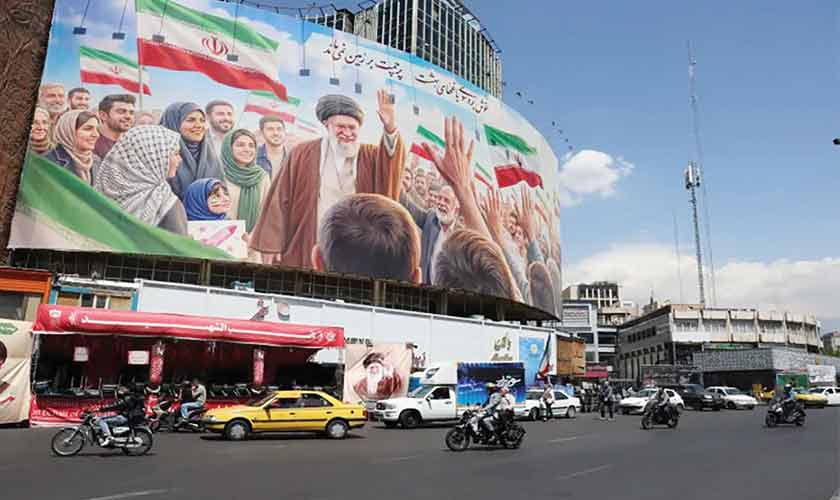
he ongoing US-Iran conflict has settled into a tense maritime disruption centred on the Strait of Hormuz. The Strait remains the keystone of the crisis — both an immediate source of tension and the potential catalyst for agreement. This setup sustains high tensions amidst mounting global and domestic economic pressure, as naval forces, proxies and commercial shipping operate in close proximity, raising the specter of miscalculation or accidental clashes. This pressure is destabilising the “no war, no peace” limbo, raising the risk of miscalculation or accidental clash.
Last week, Iranian Foreign Minister Abbas Araghchi proposed re-opening the Strait of Hormuz. He asked the United States to end its blockade and hostilities, while deferring nuclear negotiations for a later phase. The offer was relayed to Washington through Pakistan when Araghchi visited Islamabad twice in 48 hours.
Describing the painstaking diplomatic process, former ambassador Naghmana Hashmi says that the current deadlock stems from entrenched positions on both sides. “The United States is pressing for nuclear guarantees as a first step, while seeking to preserve stringent sanctions and restrict Iran’s oil exports. Iran insists that hostilities must end, the US blockade must be lifted and the Strait of Hormuz must reopened before any substantive discussion on the nuclear file can proceed.”
To achieve a diplomatic breakthrough, she says, Islamabad is working hard to bridge the divide between these positions. Its approach, she says, centres on sustaining communication channels, sequencing the agenda carefully, identifying reciprocal initial steps and crafting language that allows both sides to preserve dignity. “Pakistan’s objective is to connect urgent maritime de-escalation with a credible, time-bound framework for nuclear verification.”
While Pakistan is considered well placed to serve as a facilitator, given its relations with several regional and international stakeholders, Hashmi cautions that “it cannot impose a comprehensive nuclear settlement, terminate US pressure on its own or compel Iran to accept intrusive verification.
“Pakistan is, therefore, pursuing a phased bargain built around three components: a Hormuz standstill; a nuclear freeze-dilute-verify arrangement; and limited, reversible sanctions relief. This rejects both Tehran’s preference for delaying nuclear talks and Washington’s preference for resolving nuclear issues before easing pressure.”
Hashmi says that Pakistan is trying to come up with a formula that offers both sides sufficient immediate gains to remain engaged, while anchoring the process in clear and credible verification measures. Despite the formidable odds, she says, Islamabad’s task is to gradually narrow the diplomatic aperture until a negotiable pathway becomes not only conceivable, but also politically viable.
Tehran has proposed a new sequencing for negotiations that prioritises its core security and economic concerns. Specifically, Iran calls for: 1) the United States and Israel to cease attacks and provide guarantees against their resumption; 2) both sides to lift naval blockades; and 3) the Strait to be reopened under Iranian control. Under this plan, nuclear enrichment talks would be deferred until after the Strait of Hormuz issue is resolved and hostilities have ended.
“The proposal drew President Trump’s ire. He stated that the US will maintain its naval blockade of Iran until a nuclear deal was reached. This brought an Iranian warning of swift retaliation. An unidentified senior security source told Iran’s state-owned TV that the blockade will soon be met with unprecedented action.”
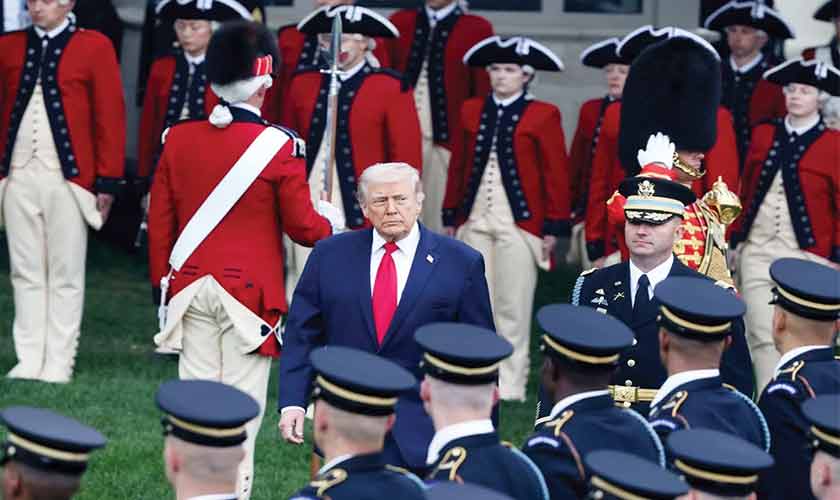
The United States is pressing for nuclear guarantees as a first step, while seeking to keep stringent sanctions and restrict Iran’s oil exports. Iran insists that hostilities must end, the US blockade must be lifted and the Strait of Hormuz must be reopened before any substantive discussion on the nuclear file can proceed.
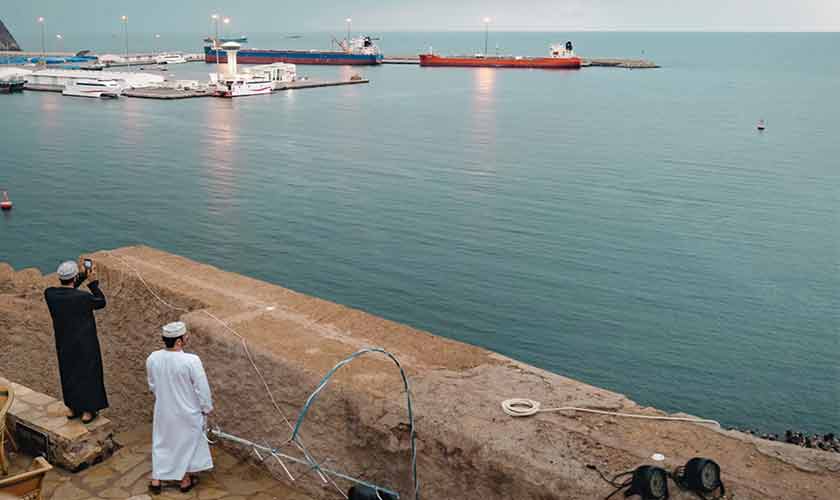
Regional actors — including Gulf states, Russia and China - and the facilitators such as Pakistan and Oman — face a critical test over the next few weeks. They need de-escalation on maritime issues and initiate confidence-building measures, such as limited sectoral agreements, before a naval incident or proxy flare-up obscures the diplomatic window.
“Both Iran and the United States, fatigued by escalation and mindful of economic and strategic costs, have an interest in ending hostilities. Yet neither can afford to be seen as capitulating. This is where Pakistan’s role comes to the fore,” says former ambassador Abdul Basit. “Pakistan continues to work hard to break the deadlock. The United States could de-escalate its presence in the strait without issuing a formal public announcement, thereby removing a tangible irritant while preserving political space at home. Such a quiet adjustment would meet Iran’s threshold for re-engagement without requiring Washington to publicly concede the point.”
Basit says Pakistan can frame an easing of the Hormuz posture as a response to allied requests and regional stability requirements, rather than a concession to Tehran. “For Iran, Islamabad can present the resumed talks as a result of US steps toward de-escalation, allowing Tehran to claim that its condition has been met,” he says.
“By hosting talks and shaping the narrative, Pakistan can enable both capitals to justify continued engagement to their respective domestic constituencies. It is in this context, he says, that Islamabad is working to prevent both sides from withdrawing from the process.”
Commenting on ongoing regional mediation, Basit says, “Pakistan appealed successfully to get the ceasefire extended. That was a major breakthrough under the circumstances.”
He says ambiguity in the ceasefire duration was strategic in that it avoided hard deadlines.
The extension suggests that backchannel efforts have created sufficient space for technical talks on Hormuz to continue, likely focusing on de-confliction mechanisms, incident-at-sea protocols and reciprocal security assurances. According to Basit, Pakistan is also working behind the scenes on timelines to partially defreeze Iranian assets.
“A likely agreement on the nuclear file would involve replicating the JCPOA. On the tricky issue of enriched uranium, he said: “Iran would prefer to keep the fissile material on its territory. Previously it was willing to consider relocating the enriched uranium to the UAE.”
Basit says that while such an instrument would not resolve all outstanding issues, it would codify core principles: a commitment to de-escalate, security arrangements for the Strait of Hormuz, and a 60-day timeline for follow-on negotiations.
“A framework provides political cover — it signals progress without locking either party into final terms prematurely.
“The current deadlock is not a binary nuclear dispute. It is a multi-level bargaining problem. The current trajectory presents two unstable paths: prolonged limbo, where the ceasefire holds but limit-testing continues through vessel seizures and enforcement actions, with the risk of miscalculation rising amid flashpoints like Lebanon and accumulated economic pain that could force unintended moves; and escalation, triggered by an incident, proxy actions, domestic political shifts, or rhetorical overreach, where no side openly seeks war but the feedback loop of pressure makes it a constant danger. The ‘no war, no peace’ limbo is inherently fragile. Each side calculates the other will concede first, yet mismatched timelines and divergent mindsets raise the odds for miscalculation. Without a face-saving off-ramp, ambiguity that enabled the ceasefire cannot sustain indefinitely.
“Apart from the US-Iran track, Tehran has launched a parallel diplomatic initiative toward Gulf Arab states. In a move designed to recalibrate regional alignments and reduce US strategic influence, Iran has proposed a non-aggression pact to the Gulf Cooperation Council states, contingent on the removal of US military bases from GCC territory. The overture has elicited divergent responses: the UAE, Kuwait and Bahrain have rejected the offer outright. Saudi Arabia, Qatar and Oman have yet to issue formal reactions.
“As part of its outreach, Tehran has signalled a willingness to rein in Ansarullah, the Houthi movement engaged in hostilities with Saudi Arabia. Though UN-facilitated talks between Saudi Arabia and the Houthis have occurred intermittently, a comprehensive settlement has remained elusive.”
Basit is hopeful that Saudi Arabia may deliver a diplomatic surprise by re-engaging the Houthis directly. “This will address a core national security concern for Riyadh and could serve as a critical confidence-building measure toward broader regional de-escalation. It will also dovetail with Iran’s non-aggression proposal, lending weight to Tehran’s effort to position itself as a security partner rather than an adversary.
“The contours of a new regional security architecture are becoming discernible. While establishing a framework that includes Iran as a stakeholder is difficult given historical rivalries and external alliances, it is not without precedent. China’s 2023 mediation successfully restored Saudi-Iranian diplomatic ties, demonstrating that breakthroughs are achievable. Bilateral arrangements between individual GCC states and Iran may prove more viable than collective action in the near term,” he concludes.
The writer is a senior The News staffer in Karachi.