Print Story
X




The Siri Paye meadows are a sobering reminder of what unregulated tourism can destroy

| L |
ast year, while riding along the winding Glenn Highway in Alaska and taking in the landscape of the Talkeetna Mountains, I was reminded of our own Kaghan Valley and its Paye meadows. The similarities were striking and stayed with me for some time. I decided then to visit Kaghan Valley again.
My fellow motorbike enthusiasts were also keen on a short weekend ride. I suggested that we head to Shogran. The last time I had been to the area was nearly eight years ago, though I had made several trips to Kaghan Valley and the adjoining regions in the past.
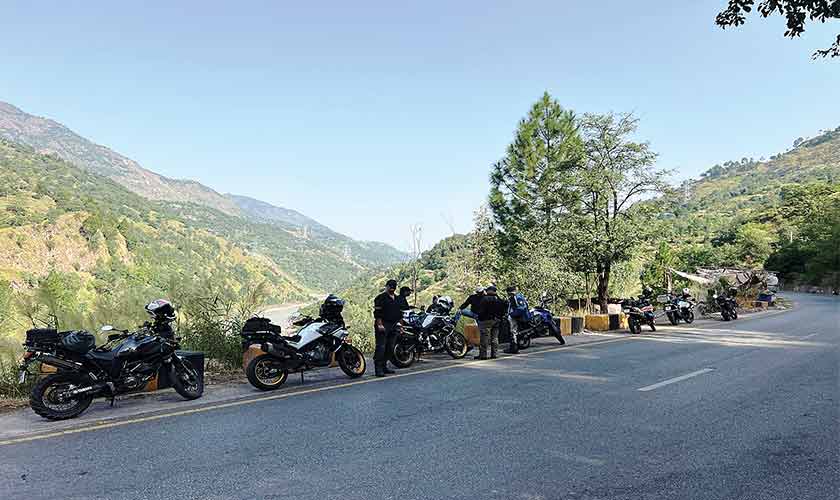
Kaghan Valley lies in the Hazara region, within the Lower Himalayan mountain range. The area has an alpine climate, with pine and deodar forests and lush alpine meadows. Flowing through it is the Kunhar River, alongside which are small glaciers, crystal-clear lakes, waterfalls and icy mountain streams. This distinctive valley borders Gilgit-Baltistan and Azad Kashmir to the north and east, respectively.
Our group of seven riders from Islamabad and Lahore set off early in the morning from Islamabad. The weather was clear, with a slight nip in the air. Our first stop was at Lower Topa for breakfast. Parathas and a desi omelette from a local dhaba, washed down with steaming karak chai, were all we needed to satisfy our appetite.
After we crossed Kohala Bridge, the boundary between Pakistan and Azad Jammu and Kashmir, the sun was shining brightly and the temperature had risen to the upper twenties. The winding road along the Jhelum River offered a scenic route. After refuelling in Muzaffarabad, we crossed the Garhi Habibullah Bridge to enter Khyber Pakhtunkhwa. Following a brief stop in Balakot, our journey continued alongside the Kunhar River.
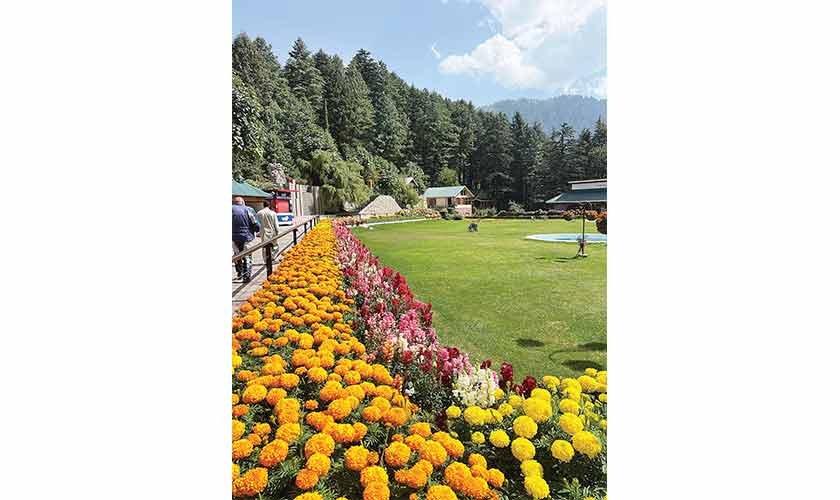
From Kiwai, the metalled road led us through the dense Shogran Forest. We reached Shogran shortly after midday. We checked into a local hotel where I had stayed several times previously, perhaps the oldest in the area. The journey had taken just over five hours from Islamabad. After a wholesome lunch at the hotel, we decided to explore the surroundings.
Shogran has grown into a small town, with a fair number of hotels of varying standards and facilities. Yet it was disheartening to see unpaved roads and notice the lack of a proper garbage collection system. Much of the development has occurred over the past decade. Sadly, none of the principles of modern urban planning seem to have been applied to its infrastructure. It was heartbreaking to see the glorified slums of Shogran, set against the backdrop of majestic peaks.
The meadow had been stripped bare of grass and vegetation; it was no longer the Siri Paye I had known and loved.
The following day, our aim was to visit the famous Siri Paye meadows, located about six kilometres from Shogran at an elevation of nearly 3,000 metres. In Hindko, paye means “high grazing ground,” while siri means “lake.” I had camped in this area in the past and remembered it as a quaint, peaceful spot where, in spring, the flowers bloomed in abundance and the vibrant flora stood out against the white backdrop of Makra Peak.
The track to Siri Paye remains much the same, still unpaved and challenging for most travellers. Most tourists now use local jeeps to reach the area. The route is alive with the noise of revving engines and the smell of diesel fumes.
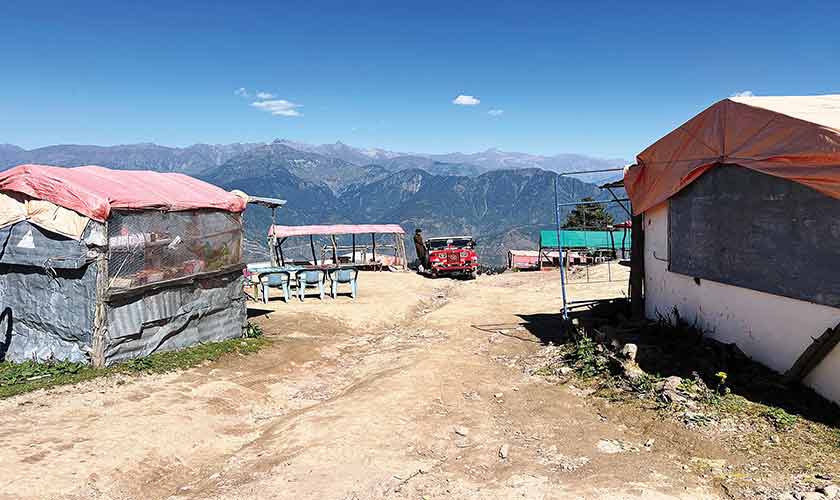
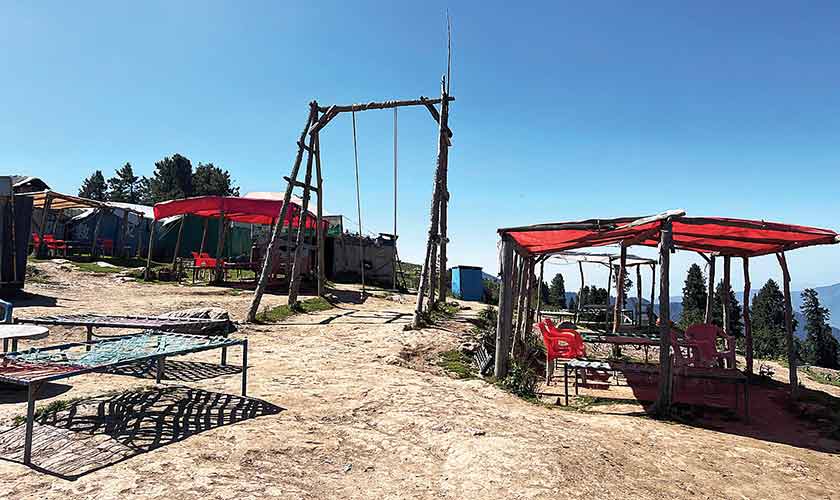
After crossing Siri Lake along the way, we reached Paye Meadows shortly after midday. Although it was the off-season, the place still drew a fair number of visitors. A short hike from the roadside parking leads up to the meadows. What struck us immediately was how the grass was no longer lush and green. The entire area was now dotted with rickety kiosks, shabby dhabas and noisy swings, giving it the air of a travelling circus. The meadow had been stripped of grass and vegetation; it was no longer the Siri Paye I had known and loved.
A motorable track now cuts across the meadow, with jeeps trundling over it and leaving trails of dust behind. Google’s historical imagery shows that until 2020, the meadows had few structures, but after 2022, there was a surge in unregulated construction, covering almost the entire landscape.
Unfortunately, this downward spiral is evident across most of our tourist attractions. Over the years, tourism has increased manifold, placing social and financial pressure on local communities, many of whom are intent on exploiting the seasonal potential of these destinations. All consideration of sustainability, forest protection, ecology and environmental responsibility has been cast to the wind in the name of development and progress.
The forests in the region are administratively divided into state-owned reserve forests, community-owned guzara forests and privately owned forests. A majority of stakeholders are the communities themselves, followed by the state. Since regulatory authority lies with the Forest Department, the onus is on them to protect and preserve the area’s ecology and promote sustainable ecotourism. It is their prime responsibility to prevent degradation and destruction, ensuring that ecosystems and natural resources are maintained for future generations.
By implementing sustainable logging practices, replanting programmes, effective fire management and community-based conservation policies, these endangered forests can still be saved. This is crucial for mitigating climate change by absorbing carbon, filtering water, preventing soil erosion and preserving habitats for biodiversity.
That afternoon, we left the meadows with a heavy heart. On the way down, I found myself wondering whether I would ever return. The following day, as we retraced our route to Islamabad, over our helmet communicators, we discussed whether we, as a people, would ever learn from the mounting threats of climate change, or whether we would continue to wound nature through our own carelessness.
The role of both government and local communities is vital in promoting ecotourism. Unchecked development must be discouraged. Did Paye Meadows and Makra Peak remind me of the Talkeetna Mountains of Alaska? The answer, sadly, is a painful one.
The writer is an architect based in Lahore/Islamabad and an outdoor enthusiast who enjoys camping, hiking, off-roading and motor-biking. He can be reached at [email protected]