Print Story
X




Amid soaring fuel prices, Punjab government’s targeted petrol subsidy promises a lifeline for low-income motorcyclists. However, between a lagging mobile app and a complex verification process, many eligible citizens remain confused
| T |
he Punjab government’s ambitious plan to provide subsidised petrol to motorcyclists has been launched officially. But for many like Muhammad Usman, the relief remains a distant promise as the scheme grapples with technical bottlenecks and a slow approval process.
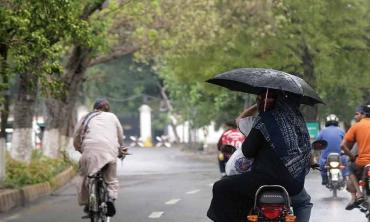
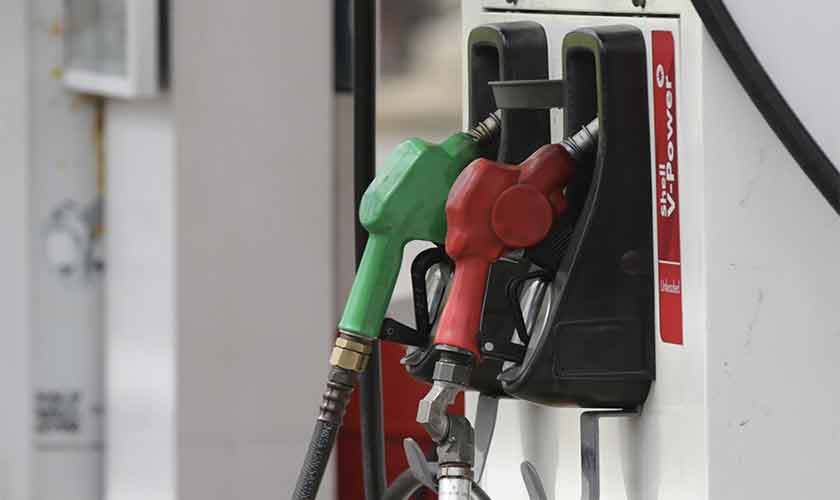
The provincial government recently introduced the subsidy to cushion the blow of rising fuel prices. For Usman, a layout designer at a local media house, his daily commute has become unsustainable. Travelling from Kahna to Shah Jamal in Lahore, Usman has seen his daily fuel cost jump from Rs 500 to Rs 800 following the recent price hike to Rs 458 per litre — even after a subsequent Rs 80 per litre adjustment.
“It is beyond our capacity,” Usman says. “I cannot use the Metro Bus because I am juggling two jobs — one in Shah Jamal and another in Gulberg.
“A motorcycle is a necessity, not a luxury.”
The government intends the initiative to support students, delivery riders and low-income workers with a monthly subsidy of approximately Rs 2,000. However, the execution has been bumpy.
“Registering is not easy,” Usman says. “The app freezes frequently, so that verification can take several minutes. I’ve registered, but I’m still waiting for the green light.”
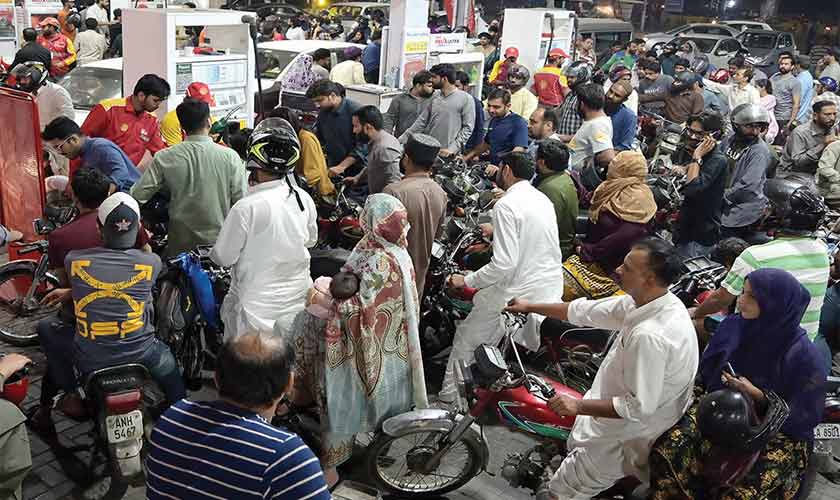
Transition on ground is equally murky. Aqeel, a petrol pump owner near Gulberg Mini Market, says hopeful bikers frequently ask his staff about the facility. “So far, we have received no instructions from the government regarding discounted petrol for bikers,” he says.
To apply, citizens must provide their CNIC via SMS to 9771, use the Maryam Ko Batayen mobile app, or call the 1000 helpline.
Eligibility is strictly monitored. The motorcycle (70cc to 125cc) must be registered in the applicant’s name. Income levels are verified to ensure the subsidy reaches the underprivileged. Approved users receive a QR code or digital wallet payment to be used at designated pumps.
Economist Dr Qais Aslam warns that a fuel quota system creates fresh avenues for corruption.
| T |
he scheme has also sparked a debate among policymakers and economists. Information Minister Azma Bukhari recently defended the move at a journalists’ convention at the Lahore Press Club.
“The government acted in crisis mode. Delay was not an option,” Bukhari stated. “For weeks, we tried to hold back price adjustments using expensive, poorly targeted blanket subsidies. Now, we are ensuring the relief reaches those who actually deserve it.”
Critics say the mechanism is complicated. Economist Dr Qais Aslam warns that a fuel quota system creates fresh avenues for corruption. “This requires immense infrastructure — specialised phones at stations, trained staff and monitoring systems. It is ripe for fraud and misuse,” he cautions.
Former State Bank of Pakistan governor Dr Ishrat Hussain suggests that instead of creating a new bureaucratic layer, the government should leverage the Benazir Income Support Programme. Speaking at the SAFMA office for the launch of the Forum of Fikr-o-Amal thinktank, he noted that the BISP already had the infrastructure to deliver cash assistance in response to fuel shocks.
For workers like Usman, the debate over ‘how’ is less important than ‘when.’ With a combined monthly income of Rs 80,000 from two jobs, he remains in the squeezed middle class.
“Those earning Rs 150,000 might adjust to these shocks,” Usman says. “But for people like me, every day we wait for verification. is another day we struggle to get to work.”
Ahsan Raza is the editor of Minute Mirror. He can be reached at [email protected]