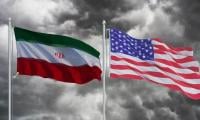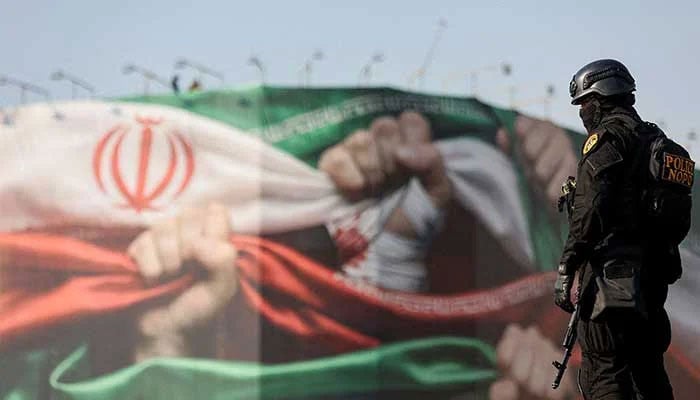
On the occasion of ‘National Persian Gulf Day’ in Iran, Ayatollah Mojtaba Khamenei has stated that a new chapter for the Gulf and the Strait of Hormuz has been taking shape since the US-Israel launched a war on Iran on February 28. He said Tehran would secure the Gulf region and eliminate what he described as “the enemy’s abuses of the waterway”, adding that new management of the Strait of Hormuz would bring calm, progress and economic benefits to all Gulf nations. In his message, Khamenei emphasised that Iran shares a “common destiny” with its neighbours along the Persian Gulf and the Sea of Oman. He reiterated that Iran would protect its “nuclear and missile capabilities” as a national asset, while also reminding the US that a new chapter is unfolding for the region after what he termed its “disgraceful defeat”. These remarks are being interpreted by some as an olive branch to Gulf Cooperation Council states, particularly those hosting US military bases. At the same time, the new Ayatollah asserted that the future of the Persian Gulf would be one without the US and other “foreigners who, from thousands of kilometres away, greedily commit atrocities within it”, adding that such forces have no place in the region.
Khamenei’s message reflects defiance, especially amid reports that US President Donald Trump is considering resuming major combat operations in Iran – either to break the deadlock in negotiations or to deliver a decisive blow before ending the war. Observers note that, while neither side appears eager to prolong the conflict, it is equally clear that Iran is unlikely to yield to US pressure. If new strikes are carried out, Tehran is expected to retaliate rather than be intimidated. The world has already witnessed the far-reaching consequences of the US-Israel war on Iran. Crude oil prices have surged, while disruptions in the Strait of Hormuz are choking global economies. The US may not feel the immediate impact due to geographic distance, and some argue it could even use the situation to pressure allies – particularly in Europe – that did not fully support it during the conflict. However, continued delays and brinkmanship risk creating wider global instability that will inevitably affect all, including the US itself. Which is why it would be wiser for Washington to heed more measured counsel rather than the more hardline voices shaping its current approach. Those who argue that Iran should simply accept whatever deal is offered by the US overlook the country’s deep civilisational history – one rooted in resilience, bravery and resistance to external pressure.
The attacks by the US and Israel, which pretty much violate all international law, should have prompted a unified global response. Instead, much of the world has witnessed a parallel propaganda campaign against Iran, while entities such as the European Union continue to maintain a hardline stance through sanctions. This selective application of principles raises serious questions about the West’s repeated claims of upholding human rights and international law. The genocide in Gaza exposed Israel to global scrutiny; this war against Iran has, in many ways, exposed broader inconsistencies in the Western narrative on law and rights. If there is any commitment to those values left – particularly within the EU – it must be reflected in bold, principled decisions, including reconsidering sanctions on Iran. Only then can a meaningful message be sent that international law is not merely a tool of convenience, but a standard applied to all.