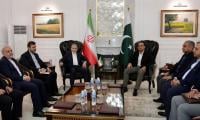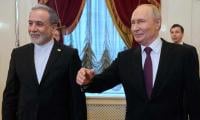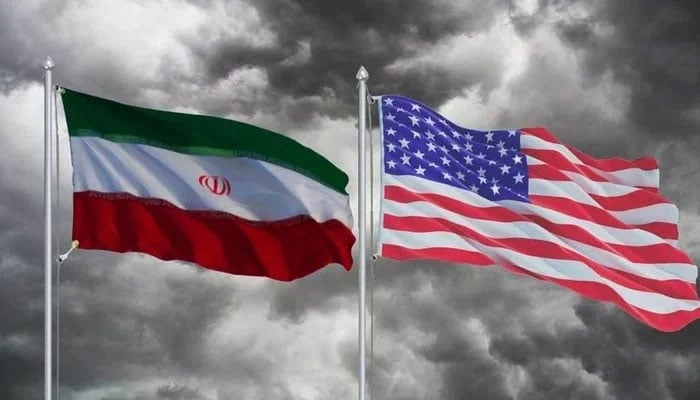
The emerging contours of the Iran–US standoff suggest less a diplomatic deadlock than a recalibration of leverage. It seems Iran is playing the longer game for now. Tehran’s latest proposal – offering movement on the reopening of the Strait of Hormuz while deferring nuclear negotiations – is not a retreat from talks but rather a reordering of priorities: end the war first, stabilise the region next and only then revisit the nuclear file under conditions that do not leave Iran strategically exposed. That this proposal is being routed through Pakistani mediators is itself significant and shows both a degree of trust in Islamabad’s ability to carry messages across hardened positions and a recognition that regional actors, not just global powers, must now shape the terms of de-escalation. The confusion over the proposed American delegation has also shown Washington’s lack of coherence. Diplomacy cannot proceed when one side signals urgency while the other signals hesitation, and then retreats altogether when faced with preconditions it finds inconvenient. By contrast, Iranian Foreign Minister Abbas Araghchi has pursued an active and multi-layered diplomatic strategy.
The focus on the Strait of Hormuz is central. Any disruption there reverberates far beyond the Gulf, affecting global energy markets and regional stability alike. By foregrounding Hormuz, Iran is effectively reframing the conflict: from a bilateral confrontation with the US to a broader regional and economic crisis that demands collective input. Iran’s core demands of a complete cessation of hostilities and an end to the US naval blockade are being dismissed in some quarters as maximalist. But the fact is that states under sustained military and economic pressure rarely negotiate away their leverage without credible guarantees. To expect Iran to relinquish enriched uranium or strategic control points without reciprocal commitments is to misunderstand both the nature of negotiation and the asymmetry of risk involved. The US, meanwhile, appears caught between competing objectives. There are indications that Washington seeks a quicker end to the conflict, yet its continued emphasis on front-loading nuclear concessions undermines that very goal. Without credible assurances, including the lifting of sanctions and guarantees against future attacks, Iran has little incentive to comply.
This broader fragmentation is also visible in multilateral settings such as in the failure to produce a joint statement at the BRICS-MENA deputy foreign ministers’ meeting in New Delhi. And let’s not forget India’s reluctance to endorse stronger language critical of Israel, something that reflects its shifting geopolitical alignments. So what are we looking at? We are essentially seeing a test of diplomatic sequencing and political will. Iran is betting that time, regional engagement and the global stakes of Hormuz will compel a shift in American calculations. It is now for the US to decide whether it is prepared to engage with the conflict as it exists and not as it would prefer it to be structured. An open-ended ceasefire may hold for now, but it is not really a solution. Without a framework that acknowledges the order in which concessions can realistically occur, talks will continue to stall.