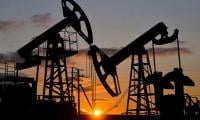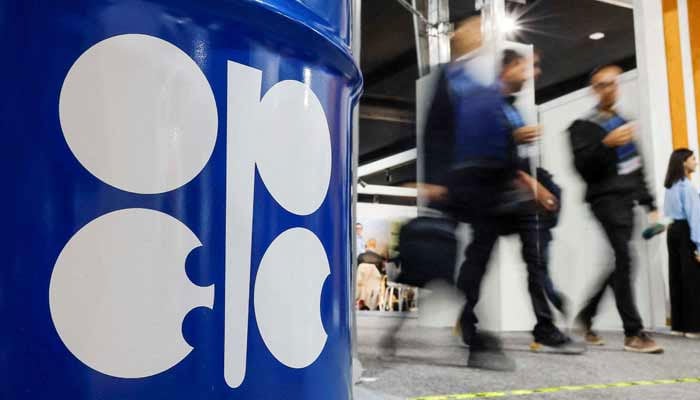
The Strait of Hormuz is closed and the UAE has left the Organisation of Petroleum Exporting Countries (Opec) and the wider Opec+ alliance. If anyone had this on their bingo cards for 2026, they are likely clairvoyant. And while the Hormuz will open eventually, though no one seems to know just how long that will take, the UAE’s departure from the world’s premier oil cartel on May 1 will alter the energy landscape in a more permanent fashion. According to the UAE, it has ended its almost six-decade-long membership to focus its efforts on what its national interests dictate and that the decision is reflective of its long-term strategic and economic vision and evolving energy profile. Reports say that the country has previously chafed at the production quotas of the de-facto Saudi-led bloc and that this has been the main driver of the decision, while also linking the decision to regional instability, including the ongoing conflict that has disrupted energy supplies. The UAE will now become the largest oil producer to depart Opec and free to raise production. But what the wider impacts of its departure will be on Opec and global energy markets as a whole remains somewhat unclear.
While the UAE is not the first country to have left the group, with Qatar, Ecuador and Angola all having departed in recent years, its exit is seen as more consequential since it removes Opec’s third-largest producer and one of its key sources of spare capacity, an important buffer to stabilise oil prices during supply shocks. Founded in 1960, Opec’s power has waned in recent years as the production of rivals has grown, particularly the US, which prompted Opec to team up with several non-Opec countries, led mainly by Russia, in 2016 and form Opec+. This gave the group control over approximately 50 per cent of the world’s oil production but the departure of the UAE will bring that down to around 45 per cent. While experts say the UAE exit weakens Opec+’s power over oil markets, some reports say that the group is likely to stick together and any downward pressure on global oil prices will likely take time to materialise, particularly in light of the Hormuz situation. In fact, the immediate reaction of global markets was not exactly positive and some experts say that this shift may introduce greater uncertainty into global oil production decisions.
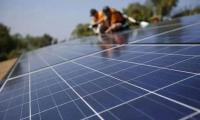
More importantly, what the UAE’s move and the US-Iran war seem to highlight is that an excessive dependence on fossil fuels is no longer desirable from either an exporting or importing perspective. Non-oil sectors now account for approximately 77 per cent to 78 per cent of the UAE’s national GDP, and officials in Abu Dhabi have consistently emphasised a strategy of reducing dependence on hydrocarbons while monetising reserves effectively for the remaining decades of oil relevance, as per reports. The days of ‘getting rich off oil’ seem to be ending. On the buyer’s side, the diminishing of Opec and the supposed glut of oil driven by the US’s rise as an energy exporter has not made fuel imports any less of a financial or environmental pain for poorer importers like Pakistan. The UAE’s exit is unlikely to change the calculus. In fact the ongoing Hormuz crisis is the second major energy shock that the world has experienced in less than five years, with the Ukraine crisis causing similar problems in 2022. The world is somehow producing more oil than ever but still having more energy crises than ever. As such, shifting away from fossil fuels will and must remain a key national priority. Equally importantly, this move highlights just how quickly things are changing in the region and how unpredictable it can really be. In this context, Pakistan’s pragmatic neutrality and ‘open to all’ approach might be its biggest economic asset.