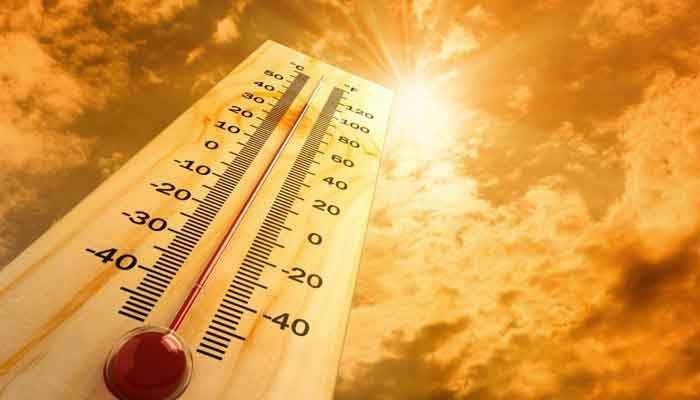
While the headlines are currently filled with the fallout of the war in the Middle East, the fallout from a far more permanent phenomenon continues to accelerate in the background. A new report by the UN’s food and weather agencies, titled ‘Extreme Heat and Agriculture’, says that extreme heat has emerged as one of the most serious and acute hazards facing agriculture around the globe, threatening food security and the livelihoods of billions. According to the report, extreme heat acts as a powerful risk multiplier, amplifying existing hazards such as drought and wildfires and creating complex compound impacts that endanger not only production but also the health of agricultural workers. Already, yields of staple crops like maize and wheat have declined by 7.5 and 6.0 per cent per 1C of warming and are projected to decline by up to an additional 10.0 per cent for every 1C of warming in the future. The report specifically mentions increasingly frequent and severe heatwaves in the rain-fed rural areas of Punjab, Pakistan, where fruit productivity has fallen by 50.0 per cent. The extreme heat also threatens livestock, which produce less milk and are under greater threat of certain diseases. Meanwhile, the rural women who do a disproportionate share of physical work, such as water collection, face higher exposure to extreme heat and increased risk of related illnesses.
Conditions like these in the country’s breadbasket are very concerning, to say the least. Pakistan already has one of the worst levels of food insecurity in the world, ranking among just 10 countries that account for two-thirds of people facing food crises globally, according to a new UN report released on Friday (April 24). But it is not just Punjab that is in trouble and extreme heat is not always the cause. Reports last week pointed to a deepening environmental crisis in the mountainous Battagram District of Khyber Pakhtunkhwa, where climate change and disrupted rain patterns are threatening the region’s agriculture. The once predictable rains have reportedly been replaced by drought-like conditions and major local water sources are at critically low levels. Local farmers say they are watching their livelihoods disappear before their eyes. As such, it is not surprising to find that the country increasingly struggles to produce enough food for itself, with the food import bill surging by over 15.0 per cent to $7.09 billion over the first nine months of the current fiscal year. And when it isn’t a lack of rain that is threatening rural livelihoods, it is too much of it. According to an assessment conducted by the ILO, around 3.3 million jobs might have been affected by last year’s monsoon floods, with the majority of the employment losses taking place in the agricultural sector.
The picture that emerges is of an increasingly inimical climate that exacerbates long-term problems such as the declining agricultural sector and high levels of food insecurity. While there is not much that Pakistan can do on its own to counter global warming, since it accounts for less than 1.0 per cent of global emissions and rich countries are loath to cut their fossil fuel dependence, it can take steps towards a more resilient and efficient food production system. Our agri-sector is notorious for how much water it wastes and, as extreme heat rises, upgrading water storage and management infrastructure will be crucial. Ensuring that farm workers are protected from extreme heat through measures like heat shelters will also be important. And while it is fair to point out that none of this deals with the underlying issue of climate change, that goal, remarkably, seems to be receding on the world’s priority list. In such conditions, adaptability is the only measure.