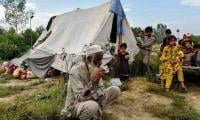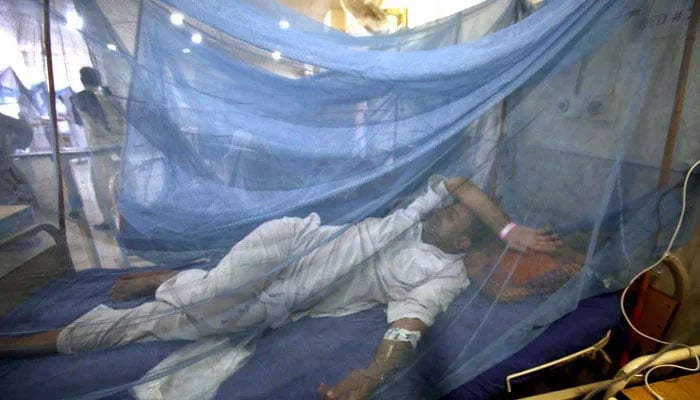
The world observed Malaria Day on Saturday. This day was celebrated to renew the pledge to eradicate the deadly virus from across the world. The World Health Organisation (WHO) says that, while malaria is preventable and curable, without prompt diagnosis and treatment, it can rapidly escalate to severe illness and death, particularly among young children and pregnant women. In 2023 alone, malaria claimed nearly 600 000 lives, with an estimated 95 per cent of these deaths occurring in the WHO African Region. For Pakistan, the 2022 flash floods became a trigger point for the reemergence of malaria. According to the British Red Cross, there had been a four-fold increase in the number of malaria cases after the floods in Pakistan, from 400,000 cases nationwide in 2021 to more than 1.6 million cases in 2022. The floods had effectively driven the worst malaria outbreak in Pakistan since 1973 and upended all the extensive malaria control efforts undertaken before the floods started.
Balochistan and Sindh were particularly affected. Isolated rural areas in these regions were hard to reach, allowing water to stand for longer and for malaria to take hold. However, there has been some good news this year. As lessons from 2022 teach us, climate change is an important factor in Pakistan’s malaria burden. Rising temperatures and extreme rainfall patterns are providing a favourable ground for malaria transmission. Areas once considered low-risk are now reporting cases, stretching already limited health resources. According to a WHO report, Pakistan reduced the emergence of malaria cases by 10 per cent in 2025 as compared to 2024. Much of this progress relies on the aid and funds received from donor countries. While this model is effective in treating malaria patients, Pakistan should also consider how it can manage its health challenges independently. US funding cuts announced last year could reverse progress made in Pakistan against the disease.
The first step is domestic financing. Pakistan allocates a small share of its GDP to public health and has outsourced the sector to private players. This has made healthcare inaccessible for the majority. Reprioritising budgets at both federal and provincial levels could ensure sustained funding for malaria programmes. Even modest increases can reduce reliance on foreign aid over time. The government should also invest in local manufacturing. Insecticide-treated bed nets, diagnostic kits and antimalarial medicines are often imported or donor-funded. Developing domestic production capacity would not only cut costs but also create jobs and ensure supply during global disruptions. Pakistani universities and research institutes should be empowered to study local malaria patterns, drug resistance and vector behaviour. Locally generated data leads to smarter, more context-specific policies instead of one-size-fits-all solutions shaped abroad. Last, the government should follow a ‘prevention is better than cure’ approach. Better drainage systems, urban planning and water management can drastically reduce mosquito breeding sites. We are living in a topsy-turvy world where war-led supply chain disruptions and funding cuts are unavoidable realities. In such times, the focus should be on how we can be more independent and handle the healthcare sector more efficiently.