The world is celebrating World Immunisation Week from April 24-30. The week aims to promote the life-saving power of immunisation to protect people of all ages against vaccine-preventable diseases. According to the World Health Organisation, vaccines have long been one of the most powerful tools in public health. Over the last 50 years, vaccines have saved more than 150 million lives, not by accident, but because ordinary people chose to protect themselves, their children and one another. That’s six lives every minute, every day, for five decades. For Pakistan, the week holds immense importance. It is one of the two countries in the world where polio (a virus that can largely be curtailed through vaccines) is still an epidemic. According to the Aga Khan Foundation, Pakistan ranks third globally in terms of child mortality and third in the number of zero-dose children. In 2023 alone, more than one million children missed their routine first dose of the measles vaccine. The hardest-to-reach populations, with the highest concentrations of undernourished, stunted and wasted children, also have the lowest vaccination coverage and the highest number of zero-dose children.
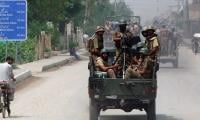
One factor contributing to this unsatisfactory performance is the prevalence of vaccine hesitancy. In today’s age of social media, where conspiracy theories and misinformation spread like wildfire, the government’s directives often go ignored. Most people believe in the conspiracies shared by people with no stakes in the game. As a result, the government’s well-meaning initiatives often face undue setbacks. The country has done a lot in the past to protect its population against viruses. Its vaccines for hepatitis and neonatal tetanus, for example, have saved hundreds of thousands of lives. During the Covid-19 pandemic, the federal and provincial governments’ tough stance regarding vaccination helped save people from a pesky virus. Our lady health workers and the security teams accompanying them (often underpaid and underprotected) have been the backbone of this success, carrying vaccines into the most remote and underserved communities selflessly.
This year’s World Immunisation Week should allow Pakistan to rethink how it approaches the problem. The real task is rebuilding public confidence. That means engaging religious leaders and community elders as partners. It requires transparent communication that addresses fears and strengthens public understanding of the science behind vaccine safety and effectiveness. Immunisation must be treated not as a donor-driven programme but as a national priority. Cold-chain logistics, data systems and workforce training need sustained funding, and the government should prioritise these expenses. External interference often carries as much risk as funding gets stopped abruptly. The government and children’s parents must realise that their indifference could cost children their entire lives. No child should face avoidable diseases and health conditions only because their guardians failed to provide vaccinations on time. This week, we must pledge to ensure that no child is left behind and that everyone has access to proper healthcare.