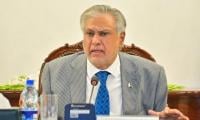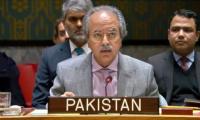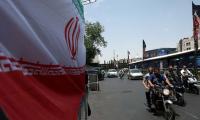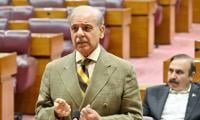
ISLAMABAD: Pakistan is preparing to host a second round of talks between Iran and the United States, as Islamabad continues its role as a mediator in efforts to ease regional tensions, the Foreign Office (FO) said on Thursday.
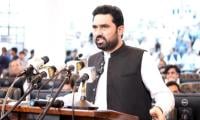
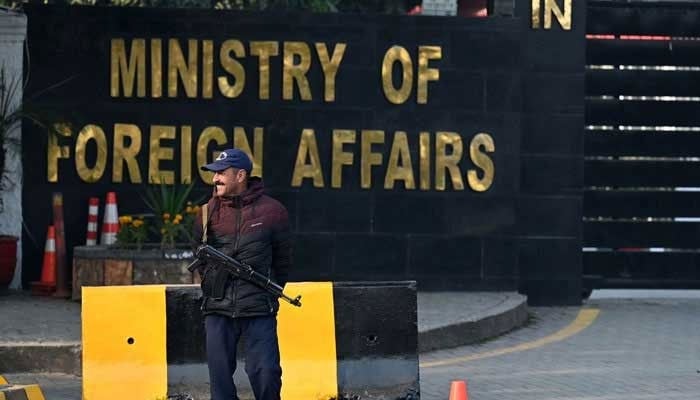
Speaking at the weekly media briefing, FO spokesperson Tahir Andrabi said key issues under discussion include the ceasefire situation in Lebanon, Iran’s nuclear programme, and the status of the Strait of Hormuz. “Lebanon remains part of the broader ceasefire framework. We are encouraged by recent improvements on the Israel-Lebanon front. A cessation of hostilities in Lebanon is essential and would be conducive to the peace talks,” he said.
He added that the Iranian nuclear issue is also among the matters being discussed during the talks, though he refrained from sharing details.
On the Strait of Hormuz, Andrabi confirmed that its status and the free movement of commercial vessels form part of the ongoing dialogue. However, he declined to comment on specifics regarding the reported US blockade, citing the sensitive nature of the discussions.
The spokesperson noted that Pakistan’s facilitation role did not end with the initial round of talks in Islamabad. “Our engagement is part of a continuous process,” he said, referring to recent diplomatic outreach, including high-level visits to Tehran and other countries. He stressed that Pakistan remains committed to promoting peace, stability and prosperity by maintaining open channels of communication between Tehran and Washington, while also keeping allies and partner countries informed.
Highlighting broader diplomatic efforts, Andrabi said Pakistan is actively engaging with key global players, including Russia, whose support for Islamabad’s peace initiatives has been welcomed.
While declining to disclose details of recent diplomatic exchanges, the spokesperson stressed that confidentiality is critical to maintaining trust. “Our approach remains impartial to individual positions but firmly committed to peace, progress, and stability,” he said. While both Iran and the United States have repeatedly indicated Islamabad as a preferred venue for the second round of talks, the Foreign Office spokesperson said no final details have been confirmed. “I do not have any information on the timing and venue of the second round,” he stated. He also declined to comment on the composition of delegations from either side, stressing that such matters are secondary to continuation of dialogue.
The spokesperson stressed that the key development is the willingness of both sides to engage. “The primary point is that the parties are ready to hold talks. The mediatory process is continuing, and this is a positive development,” he added.
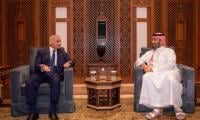
Responding to a question following Prime Minister Shehbaz Sharif’s visit to Saudi Arabia, the spokesperson said Islamabad’s defence agreements with Riyadh remain fully operational. “All agreements with Saudi Arabia, including defence cooperation, are active and functional,” he said, adding that regional security concerns — including potential threats to Gulf Cooperation Council (GCC) countries — are part of ongoing discussions within the mediation framework.
Addressing a query regarding the United Arab Emirates (UAE), including reports about loan repayments, the spokesperson reaffirmed strong bilateral ties. “The UAE is a longstanding, trusted, and brotherly partner of Pakistan with deep-rooted cultural, economic, and religious ties,” he said, dismissing any suggestion of differences between the two countries. He clarified that the loan repayment issue predates the recent Iran-US tensions and should not be linked to the current situation. “This matter has been under discussion since last year and later evolved into a structured transaction plan. It is unrelated to the present conflict,” he explained. Reiterating Pakistan’s position, he said the country has unequivocally condemned any aggression against the UAE and remains firm in its support for regional stability.
Explaining why Pakistan did not share details of the first round of Iran-US talks, the Foreign Office spokesperson said Islamabad was entrusted with sensitive information in its role as a mediator and facilitator. “For Pakistan, the information related to these talks is a trust. We are custodians of that trust, and it is incumbent upon us to uphold it,” he said.
He stressed that disclosing specific details would have constituted a breach of confidence.
On the recent lynching of 18-year-old Tanvir Ahmad Chohan in Indian Illegally Occupied Jammu and Kashmir (IIOJK), the spokesperson strongly condemned the incident, describing it as part of a pattern of violence linked to so-called cow vigilantism.
Turning to regional diplomacy, he said Pakistan had returned from the trilateral talks in Urumqi and remained open to all channels of peace. Outlining Pakistan’s position on Afghanistan, the spokesperson stressed that Kabul must uphold its commitments under the Doha Agreement and international law. “The core issue is that Afghan territory must not be used for terrorism against Pakistan. We continue to seek written and verifiable assurances in this regard,” he said. He added that Pakistan remains mindful of its security imperatives, including the protection of civilians, border communities and law enforcement personnel from cross-border threats.