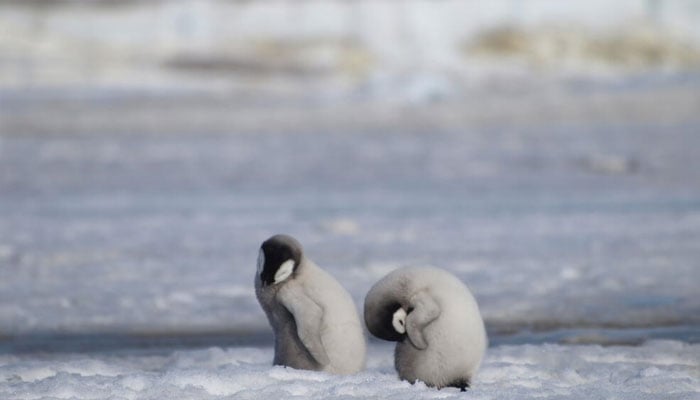
Recently, a tragic video of a penguin went viral, where it broke away from its ‘tribe’ and ventured solo in an opposite direction. While the incident was from the 2000s, the internet picked it up almost two decades later. Some said that the penguin’s behaviour was almost suicidal and that the chances of its survival were low. Now is the right time to revive the viral moment and restart the debate on the penguin’s fate across the world. A damning report by the International Union for Conservation of Nature says the ‘emperor penguin’ has been declared an endangered species as climate change pushes the icon of Antarctica closer to extinction. Its change of status from ‘near threatened’ to ‘endangered’ highlights the existential threat for ice-dependent species as global warming profoundly reshapes the frozen continent. The fact that unchecked carbon emissions and rising temperatures put ice-dependent animals in danger is well known, but unfortunately, countries around the world have given it little importance.
The rise of ‘fast’ business – fast food, fast fashion, quick commerce, etc – has created a business environment where production must continue nonstop. Single-use items are then discarded into the environment, harming the natural ecosystem and endangering wildlife. From marine life to birds to ice-dependent animals to wildlife, we have not spared anyone. In Pakistan, for example, research by the Snow Leopard Foundation of Pakistan (SLF) in 2025 revealed that snow leopards there are severely threatened by climate change, poaching and habitat fragmentation. Experts warned that only 167 of these rare animals remain in the country. This keeps happening because we give little regard to the environment. Similarly, according to WWF-P officials, carcasses of at least three turtles – loggerhead, green and olive ridley – were found at Gwadar (West Bay) on a single day this very week (April 13). The mortalities have been attributed to their entanglement in fishing gear. Officials say marine turtles are already facing serious threats, adding that 15-20 turtle carcasses have been spotted by fishermen along the Balochistan coast in recent weeks. They also stress, and rightly so, the need to raise awareness among fishermen and people about conservation. Without urgent, coordinated action to curb emissions, regulate destructive industries and protect fragile habitats, such losses will accelerate, leaving future generations with stories instead of species.