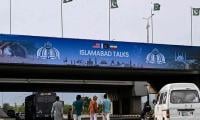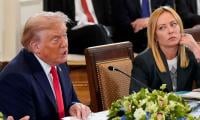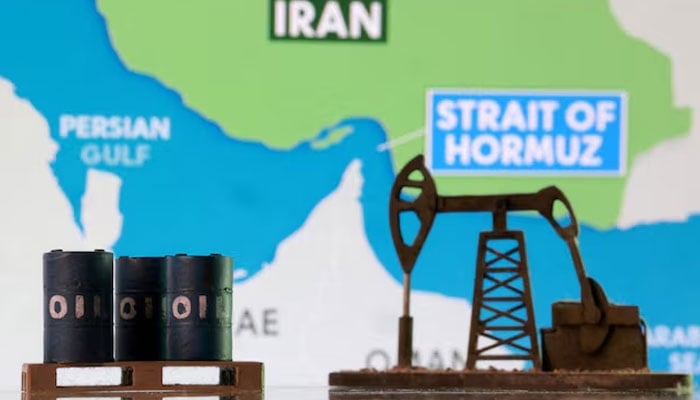
As regional tensions continue to simmer around the Strait of Hormuz, Pakistan is continuing its increasingly consequential diplomatic role, with reports that Prime Minister Shehbaz Sharif has a three-nation visit planned to Saudi Arabia, Qatar and Turkiye. The timing is important given the uncertain trajectory of US-Iran relations. Reports suggest that US President Donald Trump is open to resuming in-person negotiations with Tehran, contingent on Iran’s willingness to meet his administration’s demands. Internal discussions within the US administration reportedly point to a possible second round of talks before the temporary ceasefire expires on April 21. While Islamabad is being considered as a potential venue once again – with Iranian officials reportedly indicating their preference for Pakistan – other locations such as Riyadh and Geneva are also in contention. And all this uncertainty is compounded by escalating pressure tactics such as the US military’s blockade of Iranian ports and coastal areas around the Strait of Hormuz, particularly targeting vessels transiting between non-Iranian ports. Needless to say, this strategy is also generating broader unease. Countries beyond Iran will and are being indirectly affected.
Importantly, key regional and international players have been uncomfortable with this approach. Saudi Arabia is reportedly urging Washington to lift the blockade and return to negotiations. European voices have also echoed this sentiment, with French President Emmanuel Macron engaging directly with Iranian President Masoud Pezeshkian, who has reaffirmed Tehran’s willingness to continue talks within the framework of international law. The Iranian position has also been highlighted by its envoy in Islamabad, who has characterised the blockade as “economic terrorism” and a reckless act that threatens both livelihoods and global peace. There is also a growing consensus that coercive tactics are unlikely to yield results. Past experience suggests that such pressure has failed to bring Iran to the negotiating table on unfavourable terms – and there is little indication that the outcome will be different this time. Unsurprsingly, Tehran’s demand for reparations is being seen by many as a legitimate claim.
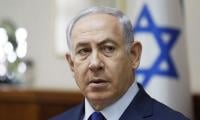
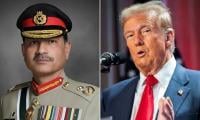
Crucially, the deadlock between Washington and Tehran appears to hinge less on bilateral disagreements and more on the broader regional context, particularly Lebanon. So, essentially, the Israel factor remains central, with the Zionist state seen as the key spoiler in this process. For most analysts, without a ceasefire in Lebanon, progress on the US-Iran front will remain constrained. It is within all this that Pakistan has and continues to engage with all the stakeholders. By maintaining open channels with all sides and actively facilitating dialogue, Islamabad has already been seen as a credible mediator and there is a high possibility that the next round of talks could return to Pakistan. However, reports also suggest that President Trump may unironically ultimately seek to claim credit for any final agreement, framing it as the resolution of a conflict he helped initiate alongside Israel. It is a narrative that may serve political ends. Eventually, though, one hopes wherever the talks are held there is an agreement to end war, including the one being waged on Lebanon. Pakistan’s current diplomatic push is all the more important for this reason: too much is at stake here – lives, economy, environment. The world needs a lasting breakthrough.