_akhbar.jpg)
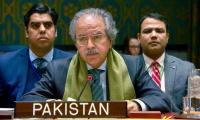
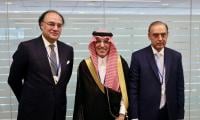
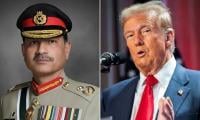
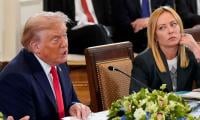
The latest developments in the Iran-US talks are encouraging. Tehran has confirmed that exchanges of messages with Washington, facilitated through Pakistan, are ongoing, with multiple communications already taking place since the Iranian delegation returned from Islamabad. That these contacts continue, even in the absence of formal negotiations, signals that backchannel diplomacy remains active. There were also reports Wednesday evening that Iran would be hosting a Pakistani delegation as part of the continuation of talks. At the same time, signals from Washington remain mixed. US President Donald Trump has expressed optimism, suggesting that the conflict is “very close to over” and indicating that talks could resume soon, possibly again in Pakistan. His public praise for Pakistan’s civil and military leadership reinforces the perception that Islamabad has, at least for now, secured a degree of trust from both sides. Yet this optimism is tempered by the absence of any formal US agreement to extend the ceasefire. Timing, too, introduces complications. Prime Minister Shehbaz Sharif’s ongoing three-nation visit to Saudi Arabia, Qatar and Turkiye suggests that Pakistan’s diplomatic bandwidth is currently stretched across multiple fronts. However, this regional outreach is not disconnected from the Iran-US track. The recent senior officials meeting in Islamabad – a follow-up to last month’s consultative gathering of foreign ministers from Pakistan, Saudi Arabia, Turkiye and Egypt – points to the gradual institutionalisation of this coordination. With further deliberations set to be taken up at the forthcoming meeting on the sidelines of the Antalya Diplomacy Forum, a more structured regional framework may be in the making.
There is also a broader willingness to pursue de-escalation, as can be gauged by the reported call between senior UAE and Iranian officials, the first such high-level contact since ties deteriorated during the war. These moves are quite certainly being closely watched in global capitals. Indeed, some observers suggest that the informal alignment between Egypt, Pakistan, Saudi Arabia and Turkiye could evolve into a more formal bloc once hostilities subside. Something like that would mark a significant shift in regional geopolitics, potentially creating a platform to collectively safeguard shared interests. Pakistan’s role in this process, particularly through its engagement with Saudi Arabia, is part of a broader push for de-escalation. At the same time, competing narratives are already emerging. Apart from the obviously fake and planted stories in the Western media pitting Saudis against the Iranians, we are now seeing reports questioning the Pak-Saudi defence pact. These reports are part of an official negative campaign serving the Zionist agenda of expansionism. It is quite clear to all that Saudi Arabia does not want to be part of this war and wants peace to prevail. The Iranians are also well aware of how the Saudis shielded them by not asking the GCC to jump into this war.
What is clear is that a post-war moment will be about shaping the narrative that follows. There are calls that Arab and Muslim countries should form an alliance against Israel to safeguard it from Zionist agendas and provocations. We have seen how Israeli false flags and provocations have brought this world to the brink of wars – and, this time, a world war. Pakistan and other regional players must continue their efforts so that the Zionist entity’s nefarious designs are never fulfilled. The coming days – with potential talks, regional consultations and continued backchannel exchanges – will be critical. If managed carefully, they could lay the groundwork for a broader regional architecture aimed at stability.