Geopolitical tensions are no longer distant events reported in newspapers. In Pakistan, these tensions have directly driven inflation. The country is heavily dependent on imports for fuel, raw materials and essential goods.
When global markets fluctuate, Pakistan feels the shock directly. Rising global oil prices, supply chain disruptions and trade uncertainties raise the costs of transport, electricity, food, and household essentials. Domestic industries also face higher input costs, which ripple through markets and squeeze household budgets. For most families, incomes do not increase at the same pace, leaving ordinary citizens to absorb the strain.
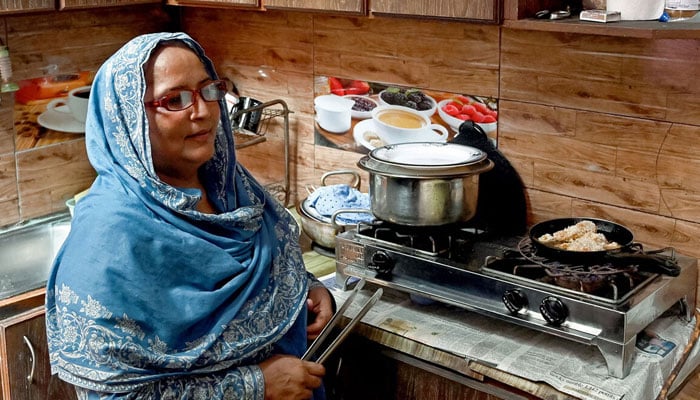
Within this pressure, women carry the heaviest share. Mothers absorb both the financial and emotional shock of inflation. They manage household budgets, stretch meals and decide what can be afforded and what must be sacrificed. They navigate rising school van fares, grocery prices, and utility bills.
On top of these responsibilities, they are tasked with supporting children’s emotional well-being, facilitating distance learning, helping with online classes, managing study schedules and ensuring access to gadgets and reliable internet. Each new cost, from laptop repairs to internet bundles, adds to household expenses and mental load. What looks like coping is, in reality, a quiet redistribution of hardship.
Food inflation sharpens this reality further. Research shows that rising food prices disproportionately affect low-income households and marginalised communities, with women bearing the heaviest burden as they are typically responsible for purchasing and preparing food. Women spend more time searching for affordable options, visiting multiple markets or substituting nutritious foods with cheaper alternatives. In some cases, they turn to subsistence agriculture or small-scale food production, intensifying unpaid labour.
As food and fuel consume a larger share of household income, spending on education, healthcare, and mobility shrinks. Studies indicate that women and girls are usually the first to step back, skipping meals, delaying medical care, or reducing participation in school and paid work. Over time, these trade-offs deepen inequality and limit economic mobility.
The impact is not only financial. It is emotional and relational. Mothers bear the constant mental load of recalculating expenses and managing a fixed income against rising costs, while feeling guilty for not being able to provide as before. Financial strain affects relationships, increasing disagreements over spending, shortening tempers and affecting children’s sense of security. Single-headed households, particularly those led by women, are even more vulnerable. Limited income and high care responsibilities leave little room to absorb shocks. Inflation does not just strain these households. It pushes them closer to crisis.
To describe this as a cost-of-living issue is not enough. It is a question of inequality. But there is a clear policy response that Pakistan already has experience with. Programmes like the Benazir Income Support Programme show that when cash transfers are directed to women, households fare better. Spending is more likely to go towards food, education and health. Evidence suggests that targeting women in social protection programmes stabilises household consumption while strengthening financial inclusion and decision-making power within the family.
Directing social protection payments to women is not just about support. It is economic strategy. When women receive money through bank accounts or digital systems, they gain access to formal financial networks. This strengthens their role in household decision-making and gives them greater control over how resources are used. This is smart policy.
As Pakistan navigates rising prices driven by global instability, resilience is quietly being built in homes. It is built through the invisible labour of mothers who manage scarcity, support children’s learning, maintain household well-being and absorb economic shocks every single day. Far from global politics, the impact of these crises is already here. It is in our kitchens, budgets, and in the everyday compromises families make.
The question is not whether gender-responsive policies are needed but whether we are paying attention to where the real work of survival happens.
The writer is a development sector practitioner interested in the intersection of gender and human rights. She can be reached at: [email protected]