Iran has said diplomacy does not end even though the closely watched talks between Tehran and Washington in Islamabad concluded without an agreement, Tasnim news agency reported.
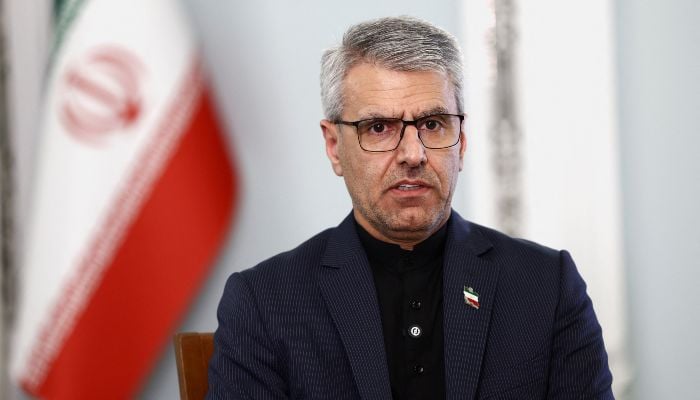
According to the agency, Iranian Foreign Ministry spokesperson Esmaeil Baqaei said the two sides had reached an understanding on a “number of issues” but still had “differences of opinion on 2-3 important” matters.
The Islamabad meeting marked the highest-level contact between Iran and the United States since the 1979 Islamic Revolution.
The United States and Israel attacked Iran on February 28, sparking retaliation from Tehran that has plunged the Middle East into conflict and the global economy into tumult.
After ending the 21-hour-long marathon discussion, US Vice President JD Vance said that he was leaving after giving Tehran the "final and best offer".
Iranian Parliament Speaker Mohammad Bagher Ghalibaf, who led his side’s negotiations, said that the US failed to earn Iran’s trust but did understand their logic and principles.
Meanwhile, Baqaei said that the talks were conducted in an atmosphere of mistrust. "It is natural that we shouldn't have expected to reach agreement in just one session," the spokesperson was quoted as saying by Iranian media.
He emphasised that “diplomacy never ends,” and said: “This tool is for protecting national interests, and diplomats must perform their duties both in times of war and peace.”
Baqaei said the success of the talks depended on the “seriousness and good faith of the opposing side” and the acceptance of Iran’s legitimate rights and interests.
The spokesperson also pointed out the complexity of the issues, saying: “Some new issues, such as the issue of the Strait of Hormuz, were added to these negotiations, each of which has its own complexities.”