For decades, the US symbolised an aspirational ideal of democracy, liberty and equal opportunity. It was not merely a superpower; it was a model that millions across the globe sought to emulate. Yet, recent developments have cast a long shadow over that image.
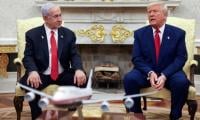
The conduct of its leadership during the Iran war, marked by unpredictability and abrasive, arrogant rhetoric, has not only undermined its moral authority but also eroded the respect it once commanded. What was once seen as a beacon of hope is increasingly viewed, in many parts of the world, with scepticism and even disdain. Equally revealing has been the miscalculation by both the US and Israel regarding Iran. The expectation that Iran’s military capability could be dismantled within days, and that regime change would follow swiftly, has proven to be a grave misjudgment. Power, it appears, is no longer as absolute as it once seemed.
In contrast, Iran’s trajectory through the conflict presents a paradox. Despite suffering significant losses in leadership, infrastructure and strategic assets, it has demonstrated resilience and resolve. This ability to absorb shocks and continue functioning has elevated Iran’s stature as a regional power. Its defiance is likely to compel Middle Eastern Arab states to reassess their longstanding security arrangements, many of which have depended heavily on the US. The reliability of such external guarantees is now being questioned.
The broader geopolitical consequences are equally significant. The idea of a unipolar order appears to be receding and the plan of a Greater Israel has suffered a setback. The conflict has created strategic space for China and Russia to expand their influence in the region. As American dominance faces challenges, a more multipolar order is gradually taking shape – one where regional actors assert themselves more confidently and external powers compete for influence rather than dictate outcomes.
Another critical lesson emerging from this conflict is the transformation of modern warfare. Traditional symbols of military might, such as aircraft carriers and large naval fleets, are increasingly vulnerable to advanced missile systems, drones and asymmetric technologies. The battlefield is evolving rapidly, and with it, the tools of dominance. This shift raises serious questions about the future of power projection and compels all states to rethink their defence doctrines. Amid these developments, India’s position appears to have suffered. A combination of short-sighted political decision-making and bureaucratic inertia has limited its strategic relevance in the conflict. Allegations of involvement in actions such as aiding in the destruction of an Iranian vessel have, if anything, brought reputational costs without corresponding strategic gains.
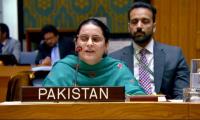
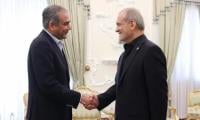
In contrast, Pakistan has emerged with a measure of diplomatic credit. Its leadership, particularly on the military front, supported by political engagement, has demonstrated restraint, maturity and pragmatism. By contributing to backchannel diplomacy, facilitating communication between conflicting parties and supporting ceasefire efforts, Pakistan has positioned itself as a responsible regional actor capable of playing a balancing role in times of crisis. More importantly, Pakistan’s geographic location and its relationships with key regional stakeholders place it in a unique position to act as a bridge not only between the Middle East and South Asia, but also between competing global powers. Its ability to maintain working relations with diverse actors enhances its diplomatic utility. However, Pakistan’s external gains stand in stark contrast to its internal challenges. Without internal stability and coherence, even the most skilful diplomacy cannot translate into sustained national strength. The country continues to grapple with political polarisation, weak governance structures, economic fragility and persistent security threats.
To capitalise on this moment, Pakistan must undertake a series of deliberate and sustained internal reforms. First and foremost, political stabilisation is essential. The absence of a genuinely representative and inclusive political system continues to erode public trust. A transparent electoral process, respect for constitutional norms and meaningful dialogue among political stakeholders are critical. National consensus on key policy directions, particularly in foreign policy and economic management, would reduce uncertainty and enhance state credibility.
Second, institutional strengthening must be prioritised. Civilian institutions need to be empowered to function effectively, with clear delineation of roles and responsibilities. Rule of law, judicial independence and accountability mechanisms must be reinforced to ensure governance that is both effective and trusted by citizens. Third, economic reform is indispensable. Pakistan’s economic vulnerabilities, characterised by fiscal deficits, external debt pressures and low productivity, limit its strategic autonomy. Broadening the tax base, reducing reliance on external borrowing, promoting exports and investing in human capital are critical steps.
Fourth, internal security challenges must be addressed comprehensively. Counterterrorism efforts need to be complemented by a holistic policy and appropriate strategies that address root causes, including underdevelopment, lack of education, political marginalisation in certain regions and the development of a proper counter-narrative. Sustainable peace requires not just force, but integration and opportunity. Fifth, regional diplomacy must be pursued with renewed vigour. While maintaining deterrence, Pakistan should explore avenues for de-escalation and engagement with neighbouring countries. Improved relations with Afghanistan and calibrated engagement with India, even if incremental, would reduce strategic pressures and allow greater focus on internal development.
Sixth, investment in emerging technologies and modern defence capabilities is essential. As warfare evolves, Pakistan must adapt by prioritising innovation, cyber capabilities and indigenous technological development. This will ensure that its defence posture remains credible in a rapidly changing environment.
Finally, social cohesion must not be overlooked. A fragmented society cannot sustain strategic progress. Promoting unity, tolerance and a shared national vision is critical for long-term stability. Education and madrassa reforms, empowered local governments, autonomous media and inclusive narratives can play a vital role in strengthening the social fabric.
This moment, therefore, presents both an opportunity and a test. Pakistan’s recent diplomatic performance has demonstrated its potential to act as a stabilising force in a volatile region. To translate these diplomatic gains into a lasting national strength, Pakistan’s external relevance must be matched by internal resilience. If these internal reforms are undertaken with sincerity and continuity, they could serve as a catalyst for broader transformation. Political coherence would enable economic recovery, attract investment and foster sustainable growth. The lessons of the Iran conflict are clear: power is no longer unilateral, resilience can outweigh might and diplomacy remains indispensable. For Pakistan, the path forward lies not just in leveraging its external successes, but in aligning its internal realities with the aspirations of its people. Only then can it truly secure its place on the road to progress.
The writer is a former inspector general of police (Punjab) and a former Punjab caretaker home minister.