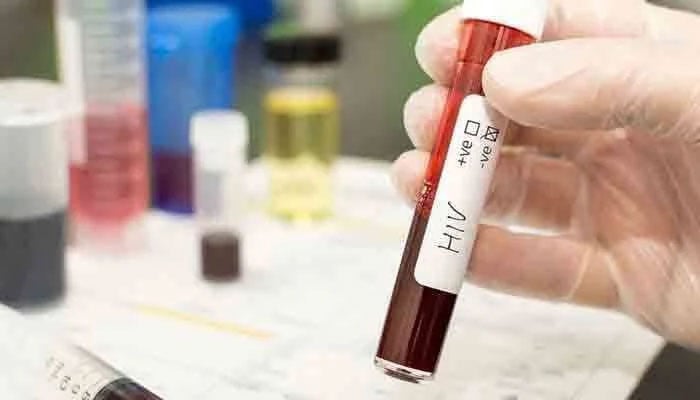
Healthcare in Pakistan usually remains neglected, dwarfed under the weight of flashy projects that garner more eyeballs and camera clicks. Pakistan’s performance on this front is mixed. While the government does take initiatives to improve public health, the pace of progress remains unsatisfactory. Recent reports suggest that Pakistan has 84,421 registered HIV/AIDS patients, with the highest number of cases reported in Punjab, followed by Sindh, Khyber Pakhtunkhwa, Balochistan and the Islamabad Capital Territory. Transmission can occur through unsafe practices such as barber services, dental procedures and other related factors. There is another troubling dimension: according to the World Health Organization (WHO), most HIV/AIDS patients in Pakistan are unaware of their condition. New infections have risen by 200 per cent over the last 15 years – from 16,000 in 2010 to 48,000 in 2024. The WHO also estimates that around 350,000 people are living with HIV in Pakistan, but nearly eight in 10 affected individuals do not know their status. Children, too, are increasingly being affected, with cases among those aged 0-14 rising from 530 in 2010 to 1,800 in 2023.
HIV has long remained a taboo in this part of the world. Misinformation surrounding the disease has created a situation where patients often blame themselves if they contract the virus. In the past, such individuals were ostracised and forced to live in isolation. While there has been some improvement, the situation is still far from adequate. Unawareness of the disease continues to put others at risk. There have been cases where individuals contracted HIV after using equipment previously used on infected patients. Criminal negligence – such as the reuse of medical equipment – further exacerbates the crisis. The harrowing example of a hospital in rural Sindh, where hundreds of children were infected due to the reuse of single-use syringes and other tools, is still a terrifying reminder of the extent of systemic failure.
Healthcare authorities must develop a coherent and sustained strategy to combat HIV. Reducing stigma and encouraging testing and treatment should be the first step. Nationwide awareness campaigns should be run, explaining how HIV spreads – and how it does not – HIV education should be integrated into school curricula, and religious and community leaders should be asked to disseminate accurate information. Since many people live with HIV unknowingly, the government should expand access to free or low-cost testing centres, introduce rapid test kits and encourage routine screening in hospitals. It is also important to note that the US has signalled potential disruptions to medical supplies for diseases such as HIV and malaria in lower-income countries, particularly in sub-Saharan Africa and parts of Asia. While Pakistan may not be immediately affected, the risk cannot be ignored. This means we also need to focus on local solutions. Training doctors and nurses to manage HIV patients must be a top priority. Improving laboratory facilities for diagnosis and monitoring, and integrating HIV services into primary healthcare, can help the country respond more effectively and independently.