The after-effects of the US-Israeli war on Iran and the subsequent measures taken by the latter to leverage its strategic waterway, the Strait of Hormuz, are now becoming visible. The executive director of the United Nations Office for Project Services (UNOPS) recently warned that tens of millions of people could face hunger and starvation if fertilisers are not soon allowed through Hormuz. Global focus has been on the economic impacts of the throttled oil and gas trade, but the UN has been sounding the alarm of the threat the blockade poses to the world’s food security, with countries in Africa and Asia likely to be particularly hard hit. According to the UN official, even if the strait were to reopen now, it would take three to four months to return to normal. This is a warning for Pakistan before the disastrous storm.
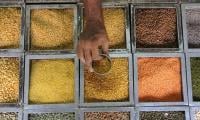
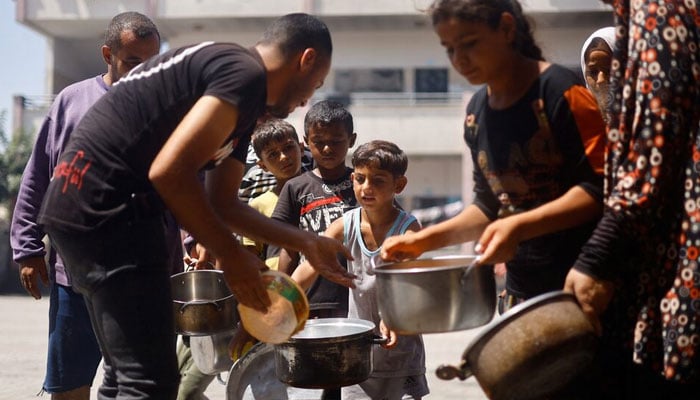
The country is already grappling with food insecurity. It ranks 109th out of 127 countries in the 2024 Global Hunger Index. According to the World Food Programme, nearly half of an average household’s monthly expenditure goes towards food and 82 per cent of the population cannot afford a healthy diet. A total of 18 per cent of children under 5 suffer from acute malnutrition, and around 40 per cent of children are stunted (impaired growth due to malnutrition). Record-high food and fuel prices, exacerbated by climate change affecting agriculture and infrastructure, have taken a toll on Pakistan’s most vulnerable people.
The country is already grappling with food insecurity. It ranks 109th out of 127 countries in the 2024 Global Hunger Index. According to the World Food Programme, nearly half of an average household’s monthly expenditure goes towards food and 82 per cent of the population cannot afford a healthy diet. The government is aware of the crisis it may face if the war does not de-escalate. For now, it has redirected gas supplies away from homes and businesses to fertiliser factories to prevent a food production crisis. DAP fertiliser prices in Pakistan have already risen sharply due to tighter global supply and ongoing US-Iran tensions, which are increasing import and production costs. The increase comes at the start of the kharif season, worrying farmers who already face rising input costs. Experts warn that high DAP prices may lead farmers to reduce phosphate use and rely mainly on urea, creating soil nutrient imbalances. The fertiliser crisis may turn into a food security emergency with the potential to deepen poverty, inflation and social instability. The government must introduce immediate measures to stabilise fertiliser prices, prevent hoarding and ensure timely availability to farmers before the kharif season peaks. We can no longer hurt ordinary households that are already struggling to put food on the table.