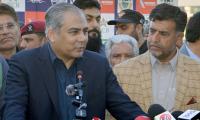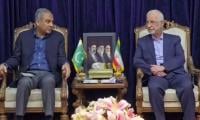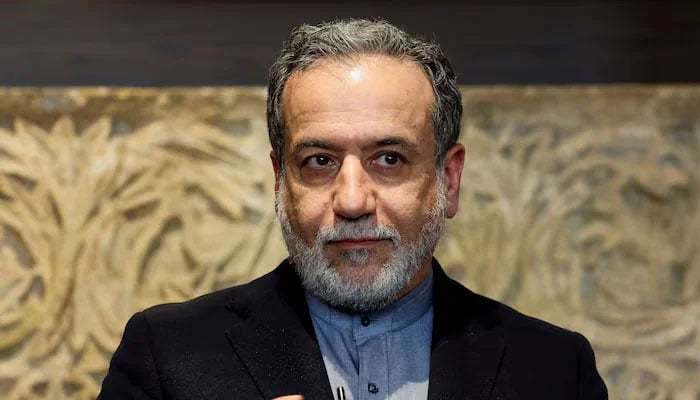
Iranian Foreign Minister Abbas Araghchi’s recent remarks that Tehran has ‘no trust’ in the US and is willing to negotiate only if Washington is serious are pretty much what defines the US-Iran relationship: deep mistrust. His criticism of the ‘contradictory messages’ coming from the American side points to the central problem undermining diplomacy in the region today: the gap between Washington’s rhetoric about negotiations and its continued reliance on pressure, threats and military escalation. Any one can tell that diplomacy cannot succeed in an atmosphere where one side speaks of peace while simultaneously attempting to impose its will through force. And the not-so-invisible elephant is the Strait of Hormuz, one of the world’s most vital maritime trade routes. A significant share of global oil and gas exports passes through these waters every day, making any disruption there a threat not just to the Middle East but to the global economy itself. Reports that several countries, including China, Japan, and Pakistan, have continued coordinating with Tehran on shipping transit underscore the seriousness of the situation. Concerns over energy supplies and trade routes are already sending shockwaves through international markets, raising fears of inflation, economic slowdown and prolonged instability.
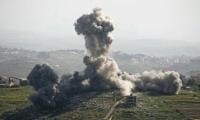
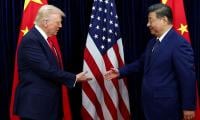
US President Donald Trump’s increasingly aggressive rhetoric has done little to calm tensions. His insistence that the US achieved a ‘total military victory’ against Iran appears more like political posturing than a reflection of strategic reality. If Washington’s position were truly secure, there would hardly be such urgency surrounding negotiations or international pressure to prevent further escalation. Equally alarming are Trump’s attacks on journalists and media organisations questioning his claims. Branding critical reporting as treason is a dangerous attempt to silence scrutiny and undermine the role of a free press in holding power accountable during times of conflict. This, however, goes far beyond the immediate confrontation between Washington and Tehran. The conflict has once again exposed the dangers of unilateral military action and the weakening of international norms. Military strikes carried out without broad international legitimacy or clear provocation erode confidence in the existing global order and reinforce perceptions that powerful states can act without accountability. It is therefore unsurprising that many countries have expressed concern over the trajectory of the conflict. China’s criticism of the war and its call for de-escalation reflect growing international unease over the possibility of a wider regional crisis.
History has repeatedly shown that wars in the Middle East do not remain confined to one battlefield. Their consequences spread rapidly across borders through refugee crises, sectarian tensions, economic instability and disruptions to global trade and energy markets. Any prolonged disruption in the Strait of Hormuz or further instability in the Red Sea would have devastating implications for economies already struggling with inflation and uncertainty. What is needed now is not triumphalist rhetoric or coercive diplomacy but serious engagement aimed at de-escalation. Iran has indicated that it remains open to negotiations and has reportedly put forward proposals and counter-proposals. The problem child that is the US needs to seriously read the room: sustainable peace cannot be achieved through threats or demands for unconditional submission. The international community, too, must play a more active role in pushing both sides towards dialogue before the crisis spirals into a conflict with irreversible global consequences.