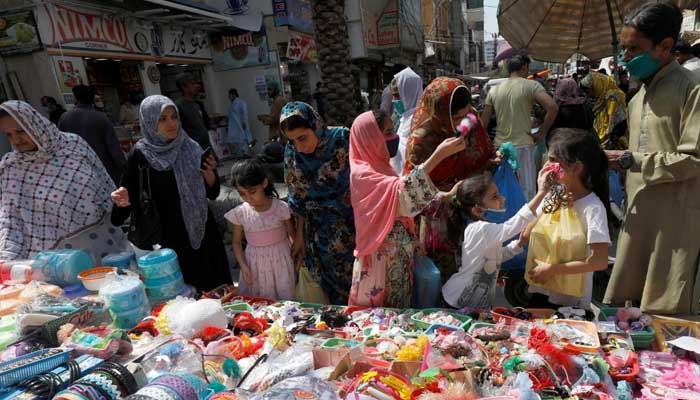
Prime Minister Shehbaz Sharif on Monday approved the exemption on business closure timings until May 31, removing austerity-driven restrictions and allowing markets and commercial centres across the country to continue operations without fixed closing hours.
According to a notification issued by the Cabinet Division, all shops, departmental stores, bazaars, markets and shopping malls will remain open on all days of the week without restriction on closing hours.
The exemption also applies to bakeries, tandoors, restaurants and grocery stores, which have been allowed to continue operations beyond the earlier fixed timings.
The decision comes after provincial governments had already relaxed business-hour restrictions. The Punjab government had earlier extended relaxed operating hours for markets and commercial centres until June 1, while suspending the mandatory 8pm closure rule.
Similarly, the Sindh government had on May 16 announced relief for traders and citizens, exempting markets, shopping malls, restaurants, hotels and marriage halls from fixed closing times in a bid to support economic activity.
Meanwhile, the Khyber Pakhtunkhwa and Balochistan governments also followed suit, announcing the end of smart lockdown measures across the province and lifting restrictions on market timings and business hours.
Business hours were curtailed across the country last month as part of energy conservation measures introduced amid a sharp increase in domestic fuel prices, triggered by the conflict in the Middle East.
The measures, which formed part of the federal government’s broader austerity and fuel-conservation plan, were aimed at reducing energy consumption following the surge in fuel prices.