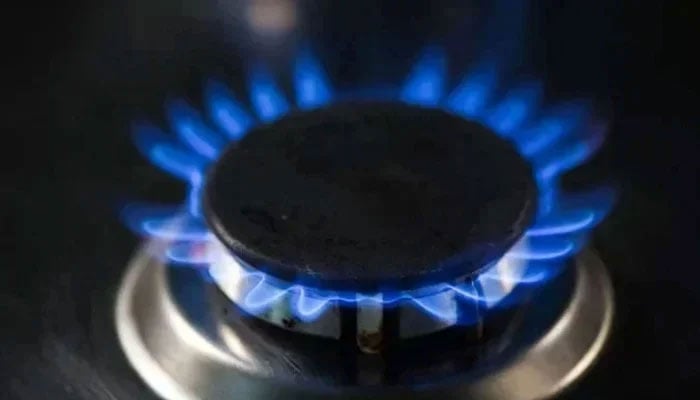
The pain of paying your gas bill on time only to find that the gas is either not coming or the pressure is too low when you try to use the stove is one that most Pakistanis are all too familiar with. While these struggles may have been exacerbated by the ongoing fallout of the Middle East conflict, they are not limited to crisis times. In fact, the latest IMF staff report on Pakistan suggests that gas is now a bigger problem than electricity. As per the report, while regular tariff adjustments in line with costs have prevented additional accumulation of principal circular debt, late payment surcharges on the large existing stock have caused further overall accumulation, taking the gas-sector circular debt to a whopping Rs3.4 trillion. This is 2.7 per cent of the country’s GDP. This contrasts with the power sector’s performance, which met its end-December 2025 circular debt flow target, supported by improved collections and growth in power consumption, particularly in the industrial sector. According to the report, gas companies’ financial health has been challenged by weak domestic consumption, lower power-sector demand and the transition of captive power plants to the grid.
Reports also say that the gas sector is sliding deeper into crisis, weighed down by expensive LNG import contracts, weak domestic demand, financing costs, and policy contradictions that continue to compound financial liabilities despite repeated tariff adjustments. This weak performance, mounting circular debt and the coming end of the gas cross-subsidy are worrying for consumers. Unlike with electricity, there is no solar saviour when it comes to gas. As such, there is nowhere for consumers to run to when it comes to inflated bills and pressure issues. The problem is only compounded by the fact that Pakistan imports a large chunk of its gas and is thus uniquely exposed to global price shocks and fluctuations. The government must therefore move beyond the short-term reflex of simply raising tariffs whenever the sector’s finances deteriorate.
Consumers cannot continue to shoulder the burden of inefficiency, policy incoherence and costly contractual commitments while simultaneously receiving unreliable supply. Pakistan urgently needs a coherent long-term gas strategy that realistically accounts for declining domestic reserves, rationalises LNG procurement, reduces system losses and curbs leakages and theft. At the same time, policymakers must accelerate investment in alternative energy and electrification wherever feasible so that households and industries are not permanently trapped in dependence on an increasingly unaffordable and unstable gas sector.