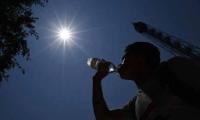
ABBOTTABAD: Residents and environmental experts have sounded alarm over rapid and troubling changes in the climate of the Galiyat hills, where a once cool and predictable environment is giving way to rising temperatures, erratic weather and mounting ecological risks.
A convergence of illegal deforestation, unregulated construction and high-rise development compounded by regional glacial retreat and global climate change has created what experts described as a “perfect storm,” threatening both the ecosystem and the tourism-dependent economy of hill resorts such as Nathiagali, Dunga Gali, Ayubia and Changlagali.
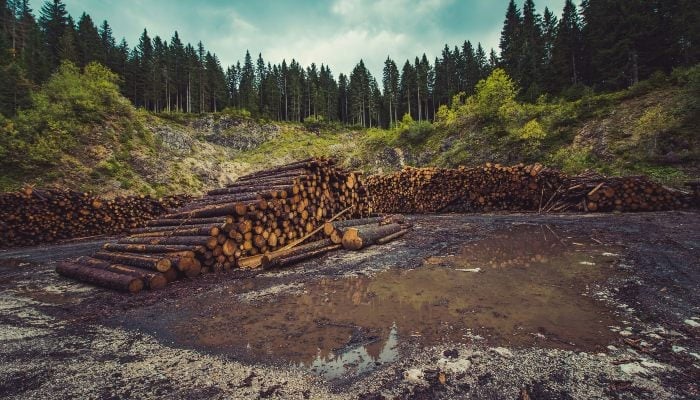
At the centre of the crisis is widespread deforestation. While a government ban on legal tree cutting was intended to protect forests, it has inadvertently encouraged illegal logging, stripping hillsides of young and mature trees that play a crucial role in regulating temperature and rainfall.
“Trees are our natural air conditioners,” said Sardar Muhammad Sabir, a local environmentalist and Chairman of Galiyat Tahaffuz Movement (GTM) , a civil society organization. “When forests are cleared, the entire climate system of Galiyat is dismantled. Add unchecked concrete development, and we are effectively creating a heat trap in the hills,” he said.
The loss of forest cover is being intensified by unplanned, high-density construction. Areas that once absorbed rainwater and moderated temperatures are now dominated by heat-retaining concrete and asphalt. This has led to a growing “urban heat island” effect in hill stations while simultaneously reducing the land’s capacity to absorb water. Environmental specialists warn that such conditions significantly increase the risk of flash floods and landslides due to uncontrolled surface runoff.
Syed Mahroof Shah, former Chairman of Environmental Sciences at COMSATS University Islamabad, described the situation as a direct assault on Galiyat’s microclimate.“Haphazard construction is replacing a natural cooling ecosystem with materials that absorb and radiate heat, disrupt wind patterns and block natural drainage channels,” he said. “Combined with deforestation, this has visibly altered local weather as summers are warmer, and the misty mornings that once defined Galiyat and attracted tourists are becoming increasingly rare.”
Local pressures are further magnified by changes in Pakistan’s high mountain regions. Glaciers, which serve as a critical water reservoir, are retreating at an alarming pace, melting approximately 65 per cent faster over the past decade than in the previous one.
Scientists noted that this process was accelerated by transboundary air pollution, with up to 80 percent of black carbon deposited on glaciers originating from outside Pakistan.Against the broader backdrop of global climate change, these interacting factors-deforested slopes, heat-radiating construction and accelerated glacial melt-have disrupted long-established weather patterns.
A global climate assessment conducted in 2025 found that 78 percent of studied regions now experience “non-stationary” precipitation, a shift clearly reflected in Galiyat through episodes of unseasonal rainfall and extreme events, from heavy snowfall in April 2017 to intense monsoon downpours.
Experts point to several clear consequences: rising local temperatures and shorter winters, the gradual erosion of Galiyat’s distinctive hill-station climate, increased humidity and weather unpredictability, and a sharply heightened risk of catastrophic flooding as denuded and concretised slopes fail to absorb glacial and monsoon waters.
“The evidence is undeniable,” said a climate researcher familiar with the region. “Illegal logging, uncontrolled construction and glacial melt are interconnected elements of the same crisis. We are not only losing forests; we are actively engineering a hotter, more dangerous environment. The window to preserve Galiyat’s defining climate and ecosystem is closing rapidly.”
Authorities and local communities now face a critical choice: enforce strict land-use regulations, curb environmentally destructive development and undertake urgent reforestation-or risk losing the ecological and economic foundation that has long sustained Galiyat.