At a time when Pakistan’s foreign direct investment landscape has been defined more by exits than entries, and by consolidation rather than expansion, the question confronting policymakers and markets alike has shifted from how to attract capital to how to retain it.
COMPANY PROFILE

At a time when Pakistan’s foreign direct investment landscape has been defined more by exits than entries, and by consolidation rather than expansion, the question confronting policymakers and markets alike has shifted from how to attract capital to how to retain it.
Years of macroeconomic volatility, currency pressures, regulatory uncertainty and repeated balance-of-payments crises have weighed heavily on investor confidence. Multinational corporations have reduced exposure, postponed expansion plans or exited altogether, leaving gaps in capital formation, employment and technology transfer.
As Pakistan expands its digital and energy infrastructure and stabilises key macroeconomic indicators, a credible case is emerging for renewed foreign investor interest, highlighted by a large domestic market and resilience across sectors such as energy, banking, technology and manufacturing. It is within this environment that one of the most consequential foreign investments in Pakistan’s downstream energy sector was made, reinforcing the country’s transition from episodic recovery toward a more sustainable, long-term growth trajectory aligned with regional and global value chains.
In late 2024, Wafi Energy Holding Limited, based out of the UAE, completed the acquisition of an approximately 87.78 per cent equity stake in Shell Pakistan Limited, one of the country’s oldest and most recognisable energy companies. The transaction, approved by Pakistan’s competition and regulatory authorities, marked the transfer of ownership at a time when several global energy majors were rationalising portfolios and exiting frontier markets.
Rather than dismantling operations or shrinking its footprint, Wafi Energy opted for continuity. The Shell brand was retained under an exclusive licensing arrangement, employment structures were preserved, and business operations continued without interruption, signaling a clear intent to operate as a long-term market participant rather than a short-term financial investor.
The broader significance of Wafi Energy’s investment lies not only in its balance sheet or retail presence, but also in what it represents for Pakistan’s investment narrative. Wafi Energy Pakistan’s CEO Zubair Shaikh maintains that partnering with Shell and subsequent expansion occurred during a period when macroeconomic indicators were under strain and investor sentiment was fragile. Rather than adopting a wait-and-see approach, Wafi Energy committed capital, preserved institutional capacity and pursued growth. This counter-cyclical posture aligns with a wider pattern of Saudi investment in Pakistan that has historically emphasised long-term engagement over short-term returns.
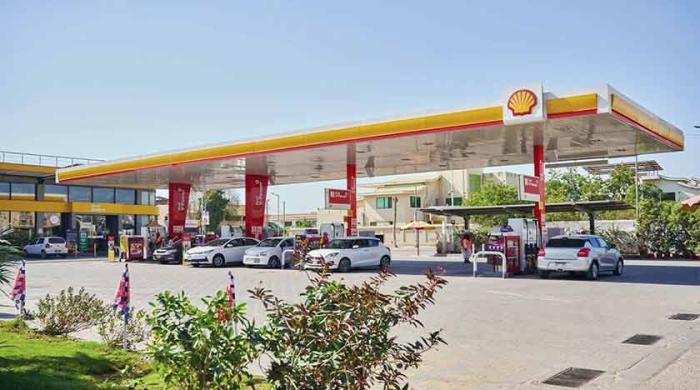
Following shareholder approvals, the company was renamed Wafi Energy Pakistan Limited in early 2025 and continued to operate one of the country’s most extensive lubricants and fuel retail and supply networks. Today, Wafi Energy Pakistan runs more than 650 retail sites across the country, alongside fuel storage terminals, a lubricants blending plant and strategic midstream assets.
The company is also the largest private investor in the Pak-Arab Pipeline Company, which operates the White Oil Pipeline connecting Karachi to the upcountry, a critical component of national fuel infrastructure. This embedded position across Pakistan’s energy value chain has allowed Wafi Energy to operate at scale while maintaining relevance across consumer, industrial and logistics segments.
Wafi Energy Pakistan integrates sustainability directly into its operations, including deploying solar solutions across hundreds of retail sites, developing eco-friendly fuel stations
Financial performance since the acquisition offers a data-driven view of how the business has stabilised and grown under new ownership. Momentum strengthened in 2025. In the first quarter of the year, the company recorded a net profit of Rs873 million, representing a year-on-year increase of nearly 178 per cent despite softer overall fuel volumes. For the nine months ended September 2025, profit after tax rose to Rs3.03 billion, more than four times higher than the comparable period of the previous year, reflecting improved margins, tighter cost controls and operational efficiencies.
Alongside financial recovery, Wafi Energy Pakistan has continued to deploy capital into network expansion and retail modernisation. During 2025, the company commissioned new fuel stations, upgraded existing sites and expanded its convenience retail footprint through Shell Select outlets, aiming to diversify revenue streams beyond traditional fuel sales.
Investments have also been directed towards premium fuel offerings and the lubricants business, where global Shell brands continue to hold strong market recognition among transport, mining and industrial customers. The company maintains that it is working on a long-term and targeted investment plan which would be mutually beneficial to its stakeholders as well as the Pakistan economy on the whole.
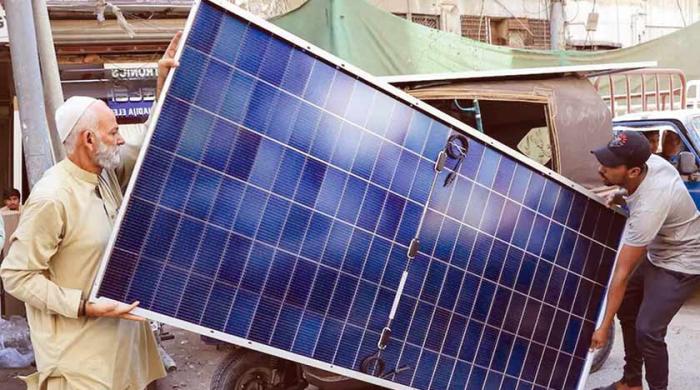
Wafi Energy Pakistan integrates sustainability directly into its operations, including deploying solar solutions across hundreds of retail sites, developing eco-friendly fuel stations, such as a flagship Rawalpindi location built using several tonnes of recycled plastic and supporting mangrove plantation in Karachi’s coastal areas.
Alongside environmental measures like waste reduction and water stewardship, the company also undertakes structured community initiatives spanning road safety, entrepreneurship support, clean energy access, and coordinated fuel supply for relief operations during national emergencies.
As part of its investment in future mobility, Wafi Energy has launched an electric battery swap cabinet at a Shell station in Lahore. This innovative facility offers a time-efficient solution which allows electric motorbike riders to instantly replace a depleted battery with a fully charged one, eliminating long charging times and enabling quick turnaround. With motorcycles comprising 78 per cent of Pakistan’s vehicles on the road and electric bikes rapidly gaining popularity, this initiative aims to have an impact on the general public.
As Pakistan seeks to stabilise its economy and rebuild investor confidence, the experience of Wafi Energy Pakistan underscores the importance of investor retention as a pillar of economic recovery. In an environment where exits often dominate headlines, the decision by a regional energy player to enter, stay and expand offers a measurable example of how sustained foreign investment can contribute to operational continuity, employment, infrastructure resilience and confidence in the broader market.
The case of Wafi Energy Pakistan illustrates that, even amid economic uncertainty, credible investors with a long-term horizon can still find both opportunity and purpose in Pakistan’s evolving economic landscape.
The writer is a content strategist, educationist and corporate host. She can be reached at: [email protected]