In 2025, hydropower -- widely recognised as a clean, zero-carbon, environmentally benign and low-cost energy resource -- firmly emerged as the backbone of Pakistan’s national energy mix.
HYDRO-POWER
In 2025, hydropower -- widely recognised as a clean, zero-carbon, environmentally benign and low-cost energy resource -- firmly emerged as the backbone of Pakistan’s national energy mix.
With an installed capacity of 14,353MW, hydropower in both the public and private sectors constituted more than 30 per cent of the country’s total grid-connected power capacity of 46,605MW. Its role remains central to Pakistan’s energy security, environmental sustainability, and economic stability, providing dependable baseload power amid volatile fuel prices, rising import dependence and growing climate concerns.
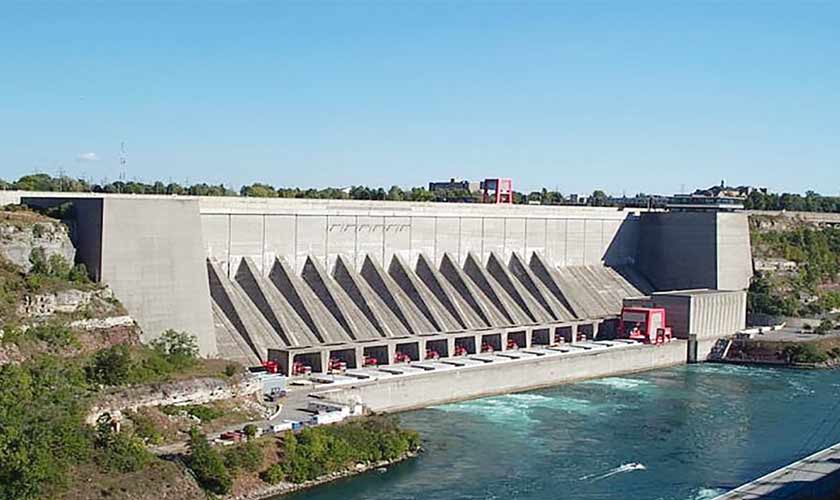
Khyber Pakhtunkhwa (KP), endowed with abundant water resources and favourable topography, stands as the country’s largest contributor to hydropower generation. The province hosts Pakistan’s largest hydropower station, Tarbela, with an installed capacity of 4,888MW. It is also home to Pakistan’s first major hydropower station, Warsak, constructed in the 1950s with a capacity of 243MW. Other hydropower stations in KP operated by Wapda include Duber Khwar (130MW), Keyal Khwar (128MW), Allai Khwar (121MW), Golen Gol (108MW), Khan Khwar (72MW), Jabban (22MW), Dargai (20MW), Kurram Tangi (18.4MW) and Gomal Zam (17.4MW). Pakistan’s largest hydropower independent power producer and a key China–Pakistan Economic Corridor project, Suki Kinari with a capacity of 884MW, commissioned in September 2024, is also located in the province.
Despite this impressive hydropower base, electricity loadshedding in KP in 2025 remained a persistent issue, characterised by frequent and often unpredictable outages. The province typically received between 2,500 and 2,800MW against a peak daily demand of around 3,300MW, resulting in a significant shortfall. These shortages triggered public unrest and adversely affected industrial productivity and investor confidence. Paradoxically, while the national power system reportedly had a surplus of nearly 4,000MW at optimal times, consumers in KP continued to face unreliable supply due to chronic weaknesses in transmission and distribution infrastructure, mounting circular debt, high line losses, widespread illegal connections and systemic mismanagement.
Over the years, KP has steadily pursued the development and restructuring of its own power sector to address rising electricity demand driven by expanding industrial and economic activity. The provincial strategy has increasingly focused on improving supply reliability, enhancing efficiency and moving towards greater energy self-sufficiency. The Pakhtunkhwa Energy Development Organisation (PEDO) has played a central role in this effort, completing ten hydropower projects with a combined installed capacity of 224MW in the public sector, most of which have been developed, operated and managed by PEDO itself.
By 2024, seven PEDO hydropower projects with a total capacity of 161MW were operational, including Malakand-III (81MW) in Malakand District, Daral Khwar (36.6MW) in Swat, Pehur (18MW) in Swabi, Ronalia (17MW) in Kohistan, Reshun (4.2MW) and Shishi (1.8MW) in Chitral and Machai (2.6MW) in Mardan, all supplying cost-effective electricity through national and local grids. In September 2025 alone, PEDO completed and operationalised three additional projects with a combined capacity of 63MW -- Koto (40.8MW) in Lower Dir, Karora (11.8MW) in Shangla and Jabori (10.2MW) in Mansehra -- further strengthening the national grid. To meet the needs of remote and mountainous areas, the province has also installed 316 mini- and micro-off-grid hydropower stations with an aggregate capacity of 34.5MW.
At present, two major hydropower projects -- Gorkin-Matiltan (84MW) in Swat and Lawi (69MW) in Chitral -- are nearing completion after prolonged delays and are now expected to be commissioned in 2026. The 300MW Balakot Hydropower Project in Mansehra is in an advanced stage of construction and is scheduled for completion by December 2027, with financing from the Asian Development Bank and the Asian Infrastructure Investment Bank. Once completed, these projects will be connected to the national grid and are expected to act as strong catalysts for regional socio-economic development. In addition, hydropower projects with a total capacity of 85.6MW are being developed under public-private partnership arrangements.
If complemented by the timely completion of major dams, strengthened grid infrastructure and meaningful regulatory reform, KP’s vast hydropower resources can be transformed into a long-term strategic asset
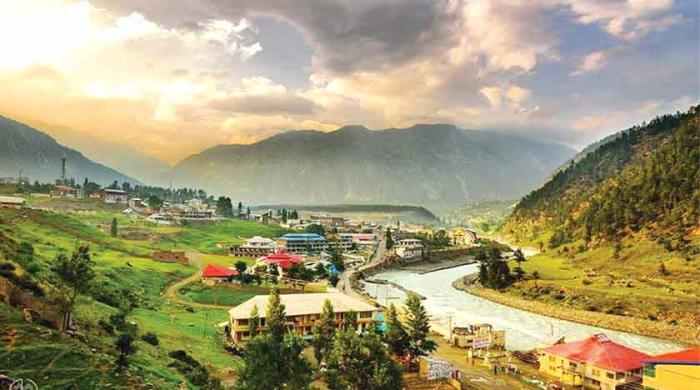
KP has also initiated construction of the 5MW Naran–Katha hydropower project in the Kaghan Valley with financing from KfW, the German Development Bank, to provide off-grid electricity to tourist areas. Several small and medium-sized private-sector projects are under implementation through PEDO, including the 28MW Summer-Gah project in Kohistan and three projects at Machai in Mardan with a combined capacity of 11MW. Overall, KP’s hydropower development portfolio now stands at 6,104MW, comprising 2,873MW in the public sector and 3,231MW in the private sector.
Despite this progress, the province’s hydropower potential remains far from being fully or efficiently exploited due to a range of structural, regulatory and financial constraints. Persistent disagreements with the federal government over the payment of Net Hydel Profit arrears, coupled with the exclusion or marginalisation of KP-based projects in federal generation planning frameworks such as the IGCEP 2025–35, continue to create friction and uncertainty.
Hydropower projects also face inherently high upfront capital costs and long gestation periods, often extending to seven or eight years, while their remote locations -- far from major demand centres and ports -- add an estimated 16 to 20 per cent to overall project costs. Delays in federal approvals and the slow development of transmission infrastructure have, in the past, led to completed projects remaining underutilised or incurring significant cost overruns, undermining their economic viability.
As of January 2026, the wheeling of electricity -- allowing power to be transmitted from a generator to a distant consumer via another entity’s transmission and distribution network -- has formally become a national standard, effectively opening the electricity market nationwide. The framework provides for auctioning up to 800MW of power capacity to industrial consumers, enabling direct purchase from generators.
Notably, KP pioneered this concept well before its national adoption. Since 2020, the 18MW Pehur hydropower project has supplied its entire output directly to five major industrial units in the Gadoon Amazai Industrial Estate at significantly lower, more stable tariffs than those of the national grid. In the second phase, KP plans to wheel 148MW from five operational projects -- Malakand-III, Daral Khwar, Ronalia, Jabori and Machai -- to 74 pre-qualified bulk industrial consumers. This arrangement is expected to meet the electricity needs of existing and future Special Economic Zones and deliver an estimated annual benefit of Rs788 million to the province.
At present, electricity for bulk consumers is supplied, or planned to be supplied, through the networks of the Peshawar Electric Supply Company and the Tribal Areas Electric Supply Company. However, the KP government is establishing its own provincial distribution utility, while the KP Transmission and Grid System Company is already operational and constructing new transmission corridors, including those in Swat and Chitral. The province is also developing its own 40-kilometre transmission line in the Swat corridor, scheduled for completion this year. Meanwhile, legislation establishing a Provincial Energy and Power Regulatory Authority is under consideration.
Khyber Pakhtunkhwa’s strategic importance in Pakistan’s energy landscape is further underscored by its vast untapped hydropower potential, estimated at over 20,000MW -- nearly half of the country’s total untapped capacity of 41,000MW. This long-term promise is already translating into large-scale investment, as all four of Pakistan’s flagship hydropower projects currently under construction are located in the province: Tarbela’s Fifth Extension (1,530MW), Mohmand Dam (800MW), Dasu Hydropower Project (4,320MW) and Diamer-Basha Dam (4,500MW). Together, these projects are expected not only to substantially augment national generation capacity but also to enhance water security, improve flood management and stimulate regional economic development.
Taken together, these developments show Khyber Pakhtunkhwa’s central role in shaping Pakistan’s hydropower future. While persistent challenges in transmission, governance and financial sustainability continue to limit the full benefits of abundant generation capacity, the province’s proactive approach -- marked by sustained public investment, private-sector participation, off-grid solutions and innovative mechanisms such as electricity wheeling -- offers a credible pathway towards energy security and industrial revival.
If complemented by the timely completion of major dams, strengthened grid infrastructure and meaningful regulatory reform, KP’s vast hydropower resources can be transformed into a long-term strategic asset for both provincial prosperity and national economic resilience.
The writer is a retired chairman of the State Engineering Corporation.