Print Story
X




Music has served many purposes throughout history, but its essential nature remains elusive
| O |
ur understanding of the arts has shifted over time. Nowhere is this more evident than in music. Of all the art forms, music is the most elusive. For centuries, people have sought to make it tangible by linking it to more concrete forms of expression, most notably language through song lyrics.
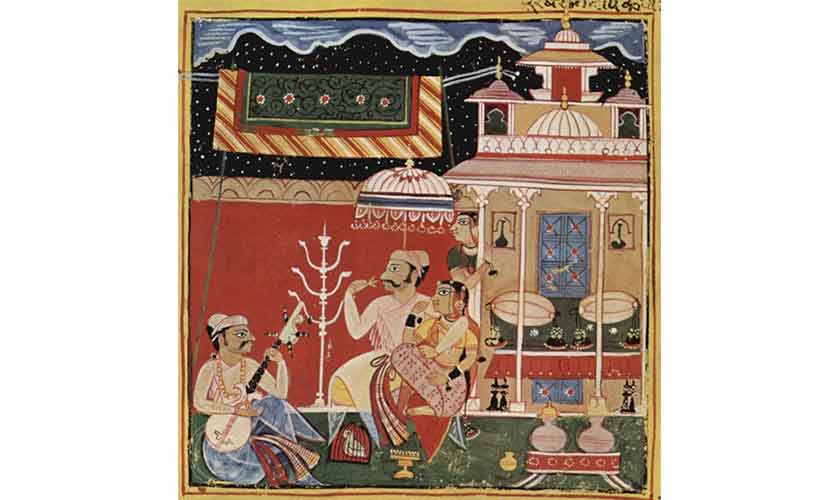
As musical traditions evolved, ragas came to be judged by their ability to evoke rasa – the emotional essence or mood they were believed to embody. The idea of rasa has remained central to classical music, shaping both its theory and its performance. Music also found visual expression in the tradition of ragamala painting, where ragas were imagined through stories, myths and allegories. Although many of the artists behind these works have been lost to history, ragamala painting gradually developed into an artistic tradition in its own right, independent of the music that first inspired it.
For many listeners, music is understood primarily through its lyrics. Poets, too, have often regarded music as a vehicle for words rather than an autonomous art. This tendency became even more pronounced with the rise of cinema, where songs were woven into the narrative, advancing the plot and giving emotional depth to the story. Across the Indian subcontinent, music became inseparable from the language and structure of film itself.
Earlier generations had explained music in different ways. It was associated with magic, miracles and the power to influence the natural world. According to tradition, the Malhar ragas could summon rain, while Bahar or Basant heralded the arrival of spring. Deepak was believed to possess such destructive force that it could ignite fire, making it a raga to be approached with caution.
Music has also been used to inspire armies, strengthen communities during times of crisis, celebrate monarchs and elevate spiritual figures. Over time, many of the supernatural associations have faded. What remains is music’s enduring ability to move us, whether through poetry, melody or performance.
Music has served many purposes throughout history, but its essential nature remains elusive. The more we try to explain it through words, stories or images, the more it resists definition. Its intangible power ultimately transcends every attempt to make it tangible.
The writer is a Lahore based culture critic.