Print Story
X




Moving from family approach to a state-led collective approach
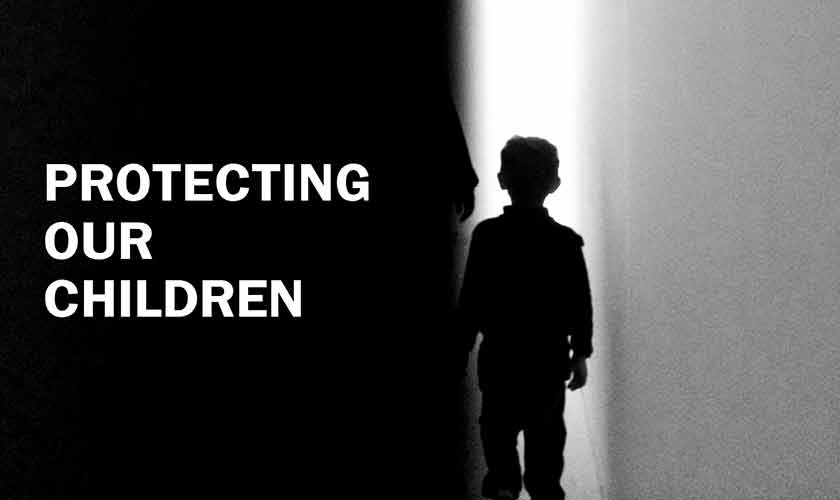
Last year, I took an academic sabbatical to complete fieldwork for my forthcoming book on child protection in Pakistan. During that time, I encountered a recurring question—rooted in the conservative belief—that child safety is a private domestic concern: “Isn’t child protection the primary responsibility of parents; why not focus your research on better parenting instead?” Today, as I continue to review horrifying reports of violence against children, I find myself more convinced than ever that the research I am doing is not only relevant but critical for our country. These realities have reinforced a difficult truth: the assumption that children are inherently safe within the family unit and hence, meaningful reform lies only in improving parental care or reducing household poverty is dangerously inadequate.
As a sociologist, I know that statistics on child violence in Pakistan are grossly under-reported and in some types of violence, missing altogether. Much of the violence against children remains buried beneath silence, stigma, fear and family honour. In many cases, people are not aware that a particular act constitutes violence against a child. There is also the complication that many types of violence against children exist—parental or guardian neglect; emotional abuse and verbal bullying; sexual abuse; corporal punishment and minor to severe physical assault; digital exploitation and pornography; and forced conversions and child marriages.
A critical concern is that child victimisation is rarely singular. Children exposed to one form of violence are often at heightened risk of experiencing multiple and overlapping harms across home, school, community and digital spaces. This cumulative burden is particularly severe for children from minority and marginalised backgrounds, whose social vulnerability often places them at greater risk of sustained and normalised violence. For example, a child neglected by poverty-ridden parents may simultaneously face bullying at school due to irregular homework submissions; and a girl from a poor background may be at greater risk of child marriage and marital rape. Conversely, a child neglected by affluent parents may experience isolation and exposure to substance abuse, while also facing the risk of sexual abuse in elite social gatherings or being forced into an alliance-building marriage.
As a society, we have failed to acknowledge that much of the violence against children is perpetrated not by strangers but by those closest to the child. This may include parents, family members, relatives, neighbours, teachers, employers, trusted custodians, religious instructors and known community members. This is why child protection cannot be reduced to ‘better parenting’ or a ‘financially sound’ family.
So what can be done?
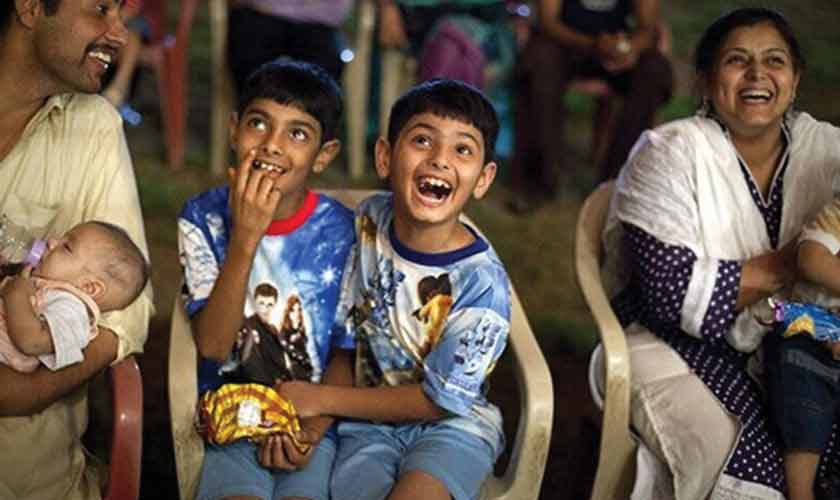
Within families, parenting undoubtedly matters but parenting itself must be supported, educated, and where necessary, held accountable. Parents and caregivers need access to structured parenting support programmes that promote non-violent discipline, emotional communication and healthy child development. Such support may also be provided by mandating pre-marriage counselling and integrating awareness sessions for good parenting.
Families under economic strain, mental stress or social isolation need extra support for access to mental health services and community-based support systems. There must also be wider public awareness that violence against children is not limited to visible bruises but that emotional humiliation, verbal degradation, coercion and digital abuse can be equally damaging and have long-term permanent consequences.
Most importantly, in Pakistan, families must be willing to challenge harmful notions of ‘honour’ and ‘loyalty’ when abuse occurs; report crimes to hold perpetrators accountable; and get early help for children requiring improved safety protocols and medical or counselling attention. Protecting children may sometimes require confronting relatives, breaking silence and disrupting the very family structures we are taught to preserve. This is perhaps the hardest truth for the Pakistani society to accept but it is essential if child protection is to become a reality rather than a slogan.
The role of the state is the most critical in child protection as the primary regulator, coordinator, enforcer and guarantor of children’s rights and safety. Pakistan needs a national child protection framework that is implemented, not just legislated. Existing laws remain fragmented and weakly enforced. To start with we urgently need: (i) mandatory child abuse reporting laws for community members, teachers, doctors and religious institutions; (ii) fast-track child abuse courts as existing family courts are already overburdened; (iii) stronger cybercrime units to monitor online abuse and child pornography; and (iv) provincial child protection authorities and child protection units/ shelters that are adequately funded and commonly available across regional spaces, matching population ratios.
As a society, we have failed to acknowledge that much of the violence against children is perpetrated not by strangers but by those closest to the child.
Pakistan lacks a longitudinal national database that systematically records different forms of violence experienced by children while much of the abuse and neglect they face remains unreported in police records or absent from media coverage. This creates significant gaps in evidence, making intervention planning fragmented and often ineffective. There is an urgent need for the state, educational institutions, independent research bodies and other key stakeholders to collaborate in developing a comprehensive child protection database—one that captures the prevalence, nature and patterns of violence across regions as well as among diverse ethnic and religious communities in the country.
At the community level, child safety must become a collective ethic. Mosques, community centres, union councils and local welfare groups could establish child safety committees, nested near other local institutes such as basic health units. Pakistani communities largely mobilise around funerals, weddings and charity. They must similarly turn their attention to child safety. For example, local religious leaders can lead sermons addressing awareness about violence against children and community elders can be trained to identify signs of abuse through neighbourhood watch programmes. Local governance bodies must establish safe complaint mechanisms and integrate community social protection officers and social workers to monitor and protect children.
In Pakistan, many schools and local madrassahs remain sites of humiliation, corporal punishment, bullying and unchecked abuse. The education system must move beyond its narrow focus on academic achievement and recognise child wellbeing as foundational to learning itself. This requires strict enforcement and independent monitoring of corporal punishment and school bullying, backed by immediate accountability mechanisms for teachers and administrators. It also demands the integration of age-appropriate child protection education into school curricula.
Educational content must introduce and reinforce lessons on different forms of violence, children’s rights, safe and unsafe touch, digital exploitation, emotional wellbeing and clear reporting pathways for abuse. Beyond curriculum reform, institutions must establish child protection policies, regular safety audits and zero-tolerance protocols for abuse. Schools and madrassahs must be mandated to integrate counsellors, social workers and child psychologists to strengthen early prevention, detection and intervention for child abuse cases.
Teachers are often the first adults outside the family to witness signs of violence against children, yet many lack the training to identify or respond effectively. Strengthening child protection in educational spaces requires mandatory teacher training in child safeguarding, basic child psychology and trauma-informed classroom practices. Teachers must be equipped to identify emotional and physical indicators of neglect and violence and be trained in clear referral and mandatory reporting protocols when concerns arise. This should include practical training on documenting incidents, maintaining child confidentiality, responding to disclosures without intimidation and coordinating with child protection units, counsellors and law enforcement.
Professional development must also prioritise positive discipline and classroom management techniques and conflict de-escalation skills to address peer bullying. These competencies should become a part of teacher certification and continued skill development.
Finally, as I continue writing my book, I carry with me the painful realisation that we continue to place the burden of child safety on the very structure that has failed it. Until we collectively accept that children need protection not only within families but sometimes from them, we will continue mistaking silence for safety and tradition for protection.
Child protection in Pakistan must move from a reactive to a preventive model. This means building strong systems—led and funded primarily by the state—that identify risks early, intervene quickly and hold perpetrators accountable. Protecting children is inherently both a social welfare issue and a national development priority. Sadly, Pakistan has invested the least in child protection reforms to date.
The writer has post-doctoral experience in social policy at University of Oxford and a PhD in sociology from the University of the Punjab. She is an associate professor at the Department of Sociology, Forman Christian College. She can be reached at [email protected]. Her X handle: @JafreeRizvi.