Print Story
X




Terrorist attacks on roads and railways are undermining Balochistan’s economic gains
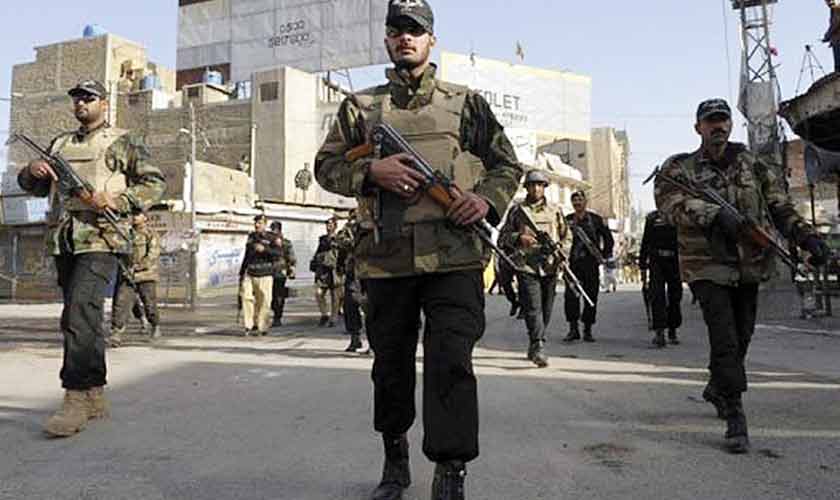
| T |
he escalating campaign of violence by the proscribed Balochistan Liberation Army represents not only a grave security challenge for Pakistan but also a direct assault on regional connectivity, economic integration and the future prosperity of Balochistan. Recent patterns point to a deliberate strategy aimed at disrupting infrastructure, undermining investor confidence and isolating one of the most strategically significant regions in South Asia.
Balochistan occupies a pivotal geostrategic position. It is a natural bridge between South Asia and Central Asia, the Middle East and Western China. At the heart of this connectivity lies Gwadar Port, a deep-sea facility that offers access to vital maritime routes through the Arabian Sea. China-Pakistan Economic Corridor, a transformative initiative designed to enhance trade efficiency, reduce transportation costs and unlock economic opportunities across the region, is complementing this strategic advantage.
A sustained campaign of attacks on highways, railway networks, energy installations and logistics chains by the BLA and its allies is clearly aimed at sabotaging these gains. By targeting transport corridors and commercial activity, the militants seek to create an environment of uncertainty that discourages both domestic and foreign investment. This is not merely an insurgency; it is a deliberate attempt to economically weaken Balochistan and, by extension, hinder Pakistan’s development trajectory.
Security officials and analysts increasingly point out that the BLA’s operational tactics mirror those of typical terrorist organisations. The deliberate targeting of civilians, disruption of public services and attacks on economic infrastructure align with the classic hallmarks of terrorism. These actions are not driven by legitimate political grievances but by a strategy designed to instill fear, disrupt governance and paralyse economic life.
The consequences of such violence are most acutely felt by the people of Balochistan. Local traders, transporters and labourers bear the brunt of these disruptions. Each attack on a highway or railway line translates into delayed shipments, increased transportation costs and reduced income for ordinary citizens. Development projects that promise employment and improved public services are slowed or halted, depriving communities of opportunities for progress.
Despite these challenges, the resilience of the people of Balochistan remains evident. Truck drivers continue to transport goods across dangerous routes, traders strive to keep markets functional and local communities demonstrate remarkable determination in the face of adversity. Their perseverance underscores a fundamental reality: the BLA’s actions harm the very population it claims to fight for.
The economic stakes are not confined to Pakistan alone. Disruptions in Balochistan’s transport networks have broader implications for regional and global trade. The efficiency gains offered by the CPEC, including reduced transit times between Asia and Europe, are of international significance. Any attempt to destabilise this corridor risks affecting supply chains, increasing costs for energy importers and contributing to volatility in global markets.
Data from recent security assessments highlight the severity of the threat. Pakistan has witnessed a sharp rise in terrorism-related incidents, with Balochistan accounting for a significant proportion of these attacks. The targeting of railway infrastructure, including high-profile incidents such as train hijackings, demonstrates the group’s intent to disrupt essential services and create widespread instability.
The authorities have intensified the counterterrorism efforts, focusing on both security operations and development initiatives. The state recognises that long-term stability in Balochistan requires not only the elimination of the militant threat but also the promotion of inclusive economic growth. Investments in infrastructure, education and social services are critical to addressing underlying challenges and ensuring that local populations benefit from development projects.
The international community has begun to recognise the terrorist nature of the BLA. Several countries have formally designated the group as a terrorist organisation, reflecting growing consensus that its activities pose a threat not only to Pakistan but also to regional stability. This recognition is an important step towards coordinated global efforts to counter terrorism and safeguard economic corridors.
It is equally important to address the issue of external support for militant groups. Pakistan has consistently raised concerns about foreign involvement in destabilising activities within its borders.
Looking ahead, the path to stability in Balochistan lies in a comprehensive approach that combines security, economic development and political engagement. Strengthening infrastructure, enhancing governance and creating employment opportunities are essential to countering the narratives exploited by militant groups. At the same time, sustained counterterrorism measures are necessary to protect lives and maintain the integrity of critical projects.
The stakes could not be higher. Balochistan’s potential as a hub of regional connectivity offers immense benefits not only for Pakistan but also for the whole region. Efforts to sabotage this potential through violence must be firmly resisted. The resilience of the people, the commitment of the state and the support of the international community together form the foundation for overcoming these challenges.
The author works for The News. He can be contacted at [email protected].