Print Story
X




Good on short-term relief, the federal budget is silent on some glaring faultlines in the economy
Let’s start by acknowledging the stabilisation achieved in 2025-2026. The Pakistan Economic Survey 2025-2026 highlights key consolidation milestones aligned with IMF conditions. The most notable is the reduction in fiscal deficit to 0.7 percent of GDP, down from the 6.8 percent in fiscal year 2024-2025. This consolidation was driven by an improvement in the primary surplus, which reached 3.5 percent of GDP compared to 1.8 percent of GDP posted in the previous fiscal year.
Fiscal deficit narrowed to 0.7 percent of GDP in July-March 2026, down from 2.6 percent in the same period last year. These revised indicators reflect baseline macroeconomic stabilisation that is helping lower sovereign default risks and establish a more secure financial footing for the year ahead.
So far, so good.
Structural faultlines
Underneath this stabilisation, however, lie glaring structural faultlines. The headline numbers for the first nine months of 2025-2026 do not paint a pretty economic picture. GDP growth rate of 3.7 percent, up from 3.18 percent in the outgoing fiscal year, looks insignificant when set against a population growth of 2.53 percent. Increase in per capita income, reaching $1,901 from $1,751 in the outgoing fiscal year, corroborates with a growth rate of about 8 percent. This is roughly equal to average inflation, which is likely to end somewhere between 8 percent and 9 percent. This means the average citizen became poorer over the fiscal year.
Crucially, the survey numbers provide data up to March. They do not fully reflect the devastating economic fallout of the Middle East oil crisis, which pushed global crude prices toward $120 a barrel. Once full data for the final quarter is integrated, Pakistan’s macroeconomic indicators are highly likely to deteriorate. Real GDP growth will shift downward, the fiscal deficit will widen and headline inflation will rebound.
The structural flaws in the external sector are particularly alarming. Exports dropped to $25.8 billion, representing a meager 5.7 percent of GDP. This is an unsustainably low export-to-GDP ratio for a country of 240 million people, signalling a sharp erosion of international competitiveness. Concurrently, the trade deficit expanded from 6.5 percent to 8.5 percent. Again, these numbers do not incorporate the impact of oil crisis. With the expensive oil imports of the final quarter factored in, the trade deficit is on track to hit 9.5 percent to 10 percent of GDP.
Foreign direct investment, which stood at approximately $1.9 billion last year during the same period, declined to around $1.4 billion this year, reflecting weaker investor confidence and a slowdown in fresh capital inflows. Pakistan actually recorded an outflow of about $465 million in the telecommunications sector. These figures highlight the need for policies that improve the investment climate; encourage long-term foreign participation; and create greater confidence among both local and international investors.
On the internal revenue front, the tax-to-GDP ratio in first nine months slumped to 10 percent. Meanwhile, average headline inflation, which stood at 6.2 percent for the first nine months, is estimated to settle between 8 percent and 9 percent once the final quarter’s supply shocks hit the index. It is already visible in CPI for May, which reached almost 12 percent, with the sensitive price index (SPI) almost touching 15 percent.
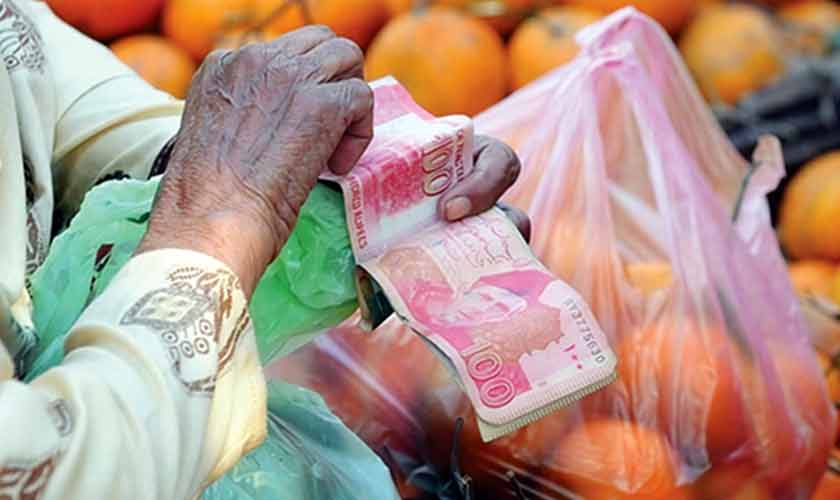
Worryingly, the quality of 3.7 percent growth is poor. The primary drivers were large-scale manufacturing (LSM) and basic services, posting growth rate of 6.1 percent and 4.1 percent, respectively. Services sectors, in particular, do not create enough jobs. This fact is reflected by 5.9 million people who remain unemployed. The small and medium enterprise (SME) sector, the actual backbone of employment, remained starved of credit and challenged by high energy tariffs. Consequently, the outgoing year delivered growth without employment.
This low-quality growth, combined with fiscal consolidation achieved by squeezing existing taxpayers, fuelled poverty, unemployment and inequality.
The survey recorded a sharp increase in the poverty rate, which climbed to 28.9 percent. In fiscal year 2025-2026, approximately 27 million more people became poor, despite the official poverty threshold being set at a remarkably low monthly income of Rs 8,483. The data highlights a stark regional gap, with rural areas bearing the brunt at a poverty rate of 36.2 percent, compared to 17.4 percent recorded in urban centres.
The survey documents a significant worsening of income inequality in Pakistan. The national Gini coefficient rose from 28.4 in 2018-2019 to 32.7 in 2024-2025, with inequality increasing in both urban and rural areas. Particularly concerning is the sharp rise in rural inequality, where the Gini coefficient increased from 23.4 to 36.6. These findings suggest that the recent surge in poverty has not only reduced household welfare but has also widened income disparities, raising concerns about the inclusiveness of economic recovery and growth. Finally, unemployment jumped to 7 percent from 6.1 percent in 2024-2025, leaving around 6 million people without work.
Short-term relief
The good news is that in terms of short-term relief, the 2026-27 budget is better than the last three budgets.
The tax relief, particularly to the salaried class, has somewhat eased the significant burden placed on them over the last two years. One positive aspect is the expansion of tax slabs. Previously, individuals earning roughly Rs 4.1 million to Rs 5.6 million were subject to a higher tax rate. Those earning up to Rs 4.1 million will now pay 11 percent. Earlier, some of them may have paid around 35 percent. This is meaningful relief. The removal of surcharge, too, is a positive step.
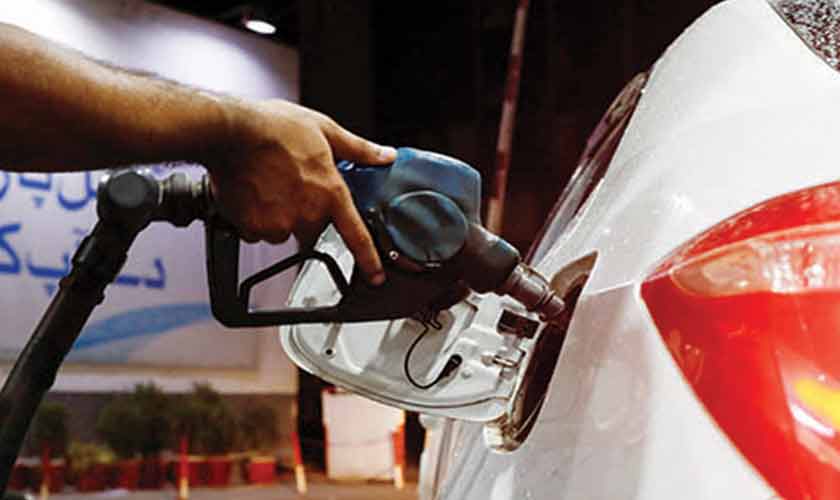
The target for the PDL has been set at an aggressive Rs 1,676 billion, 11 percent up from last year’s Rs 1,498 billion. Layering this heavy domestic levy on top of global oil price hikes will trigger a compounding effect.
Raising the taxed income threshold to Rs 1.2 million may be worth a consideration. Given the current inflationary environment and the expected rise in living costs during 2026-2027, an income of Rs 100,000 per month may still be insufficient for a reasonable standard of living.
The real estate sector has also received relief through reductions in transaction taxes. The likely objective is to stimulate economic activity in this sector, increase revenues and, more importantly, support economic growth during the year ahead. The economy struggled last year due to the slowdown in the real estate sector. This appears to be an attempt to revive activity.
However, where the budget appears silent is on structural challenges of the national economy.
The budget documents and the budget speech provided little clarity on critical issues such as increasing exports, attracting foreign direct investment, creating jobs and reducing energy costs. The information available so far does not address these concerns in a meaningful way.
Importantly, this budget is likely to be inflationary. The government continues to rely heavily on GST, the Petroleum Development Levy and similar revenue measures. The PDL could perhaps have been reconsidered. Instead, it has been increased by approximately 11 percent compared to last year. This is particularly significant given expectations that global petroleum prices may remain elevated over for several months.
Pakistan has already witnessed rising poverty and unemployment. Poverty levels have risen significantly. Unemployment has reached around 7 percent. The key challenges faced by ordinary citizens—inflation, poverty and unemployment—still lack a clear solution. The budget speech and the budget documents provided no visible roadmap for addressing these issues.
The budget 2026-2027 continues to rely on easy, captive and predictable revenue sources that are structurally inflationary
The ambitious tax revenue target of Rs 15.3 trillion for 2026-2027 is technically achievable but not because of systemic reforms. A 14-15 percent growth in nominal revenue collection is relatively easy to hit when driven by high core inflation, likely to remain between 11-13 percent and by elevated earnings from the PDL. The remainder can come from economic growth falling between 3.5-4 percent.
This makes the entire budget deeply inflationary.
The target for the PDL has been set at an aggressive Rs 1,676 billion, 11 percent up from last year’s Rs 1,498 billion. Layering this heavy domestic levy on top of global oil price hikes will drive up domestic energy inflation, transportation costs and ultimately the consumer price index.
Given the persistent price shocks and the fluid situation in the Middle East, the State Bank of Pakistan will likely have to delay monetary easing. Instead, policy rate hikes or prolonged monetary tightening can be expected throughout 2026-2027. High interest rates will keep the cost of private credit restrictive, further dampening industrial expansion.
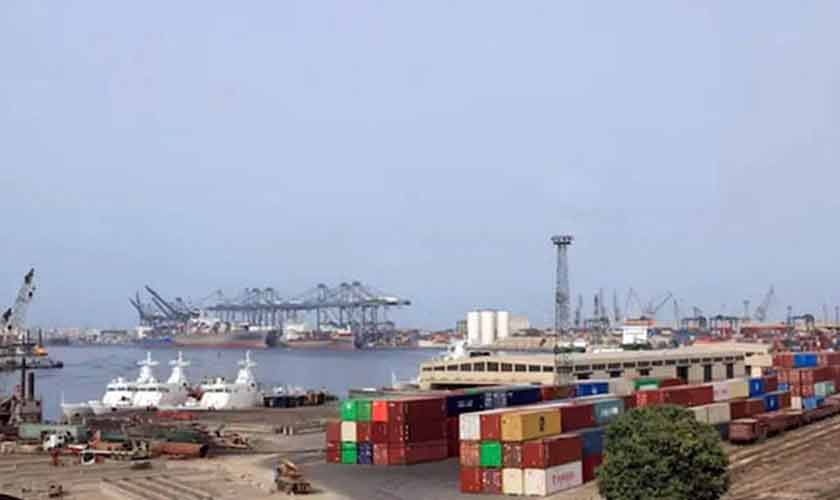
On the trade front, the export target is heavily overbudgeted, a persistent flaw in Pakistani fiscal planning. Given the global slowdown and high domestic input costs, exports will likely struggle to match last year’s baseline. Meanwhile, the import bill is set to rise sharply during the first six months of the new fiscal year as industrial raw material backlogs clear. As a result, the trade deficit will remain much wider than the government’s optimistic budget assumptions.
Consequently, the macroeconomic framework for 2026-2027 is fundamentally skewed: national growth is overbudgeted while inflation is seriously underbudgeted. Real GDP growth is highly unlikely to match the official target; it will likely max out at a subdued 3.5-3.7 percent.
The path not taken
The budget could have been designed differently, even within the strict boundaries set by the IMF loan programme. A fairer approach would have balanced consolidation with structural equity through several key policy shifts.
Substantial additional revenues could be mobilised by broadening the tax base. This includes implementing a robust and non-negotiable digital tax regime for retailers and wholesalers, bringing a large segment of the undocumented economy into the tax net and potentially, generating an additional Rs 400-Rs 500 billion annually. Further fiscal space could be created through higher excise levy on tobacco products and sugary beverages, which would also contribute to improved public health outcomes.
Similarly, imposing higher taxes on unutilised urban land and luxury real estate holdings would discourage speculative investment in non-productive assets and encourage capital flows toward productive sectors of the economy.
Finally, taxing all income irrespective of source, together with the rationalisation of subsidies, could generate resources for more growth-enhancing investments, including venture capital and innovation financing mechanisms that support technology-driven enterprises and youth entrepreneurship.
Because these structural choices were avoided, government remains focused on stabilisation, with top up for enhancing economic activity in some sectors through transactional tax relief. Efforts to broaden the tax base are largely missing, except voluntary scheme for small retailers with turnover of less than Rs 200 million. Such schemes have not delivered in the past because of the governments’ limited capacity to track, trace and punish non-compliance.
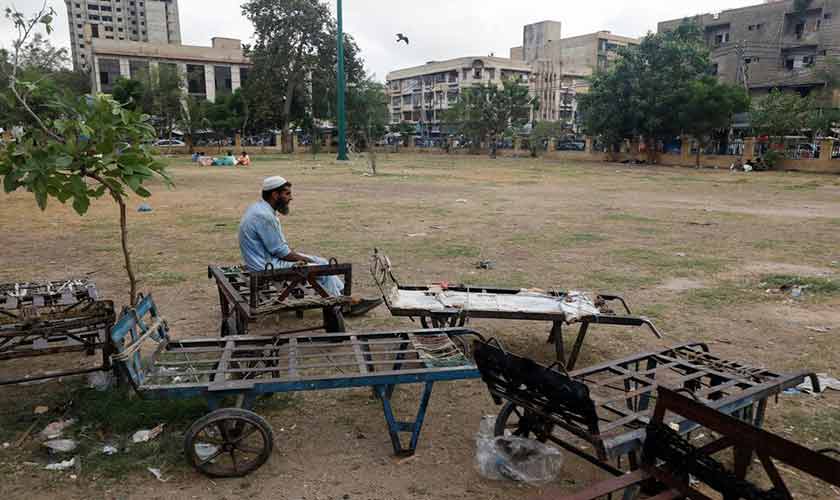
Finally, it’s good to eliminate super tax on businesses and provide export financing at a rate of 4.5 percent. But Pakistan’s structural problems—high energy costs, widespread cash economy, very narrow lower tax base, falling FDI and rising unemployment and poverty—are deep rooted and remain largely unattended.
The writer is the deputy executive director at the Sustainable Development Policy Institute. The views expressed are personal and do not represent those of SDPI. His X handle: @sajidaminjaved.