Print Story
X




As conflict and uncertainty continue to dominate headlines and shape everyday life, Humnava’s latest song turns its gaze inward. ‘Koi Achi Khabar’ is a deeply reflective piece about faith, loneliness and the fragile hope that endures even when the world feels uncertain.
| F |
rom the very beginning, Humnava has built a reputation for supporting sincerity over spectacle. Its seventh release, ‘Koi Achi Khabar’, continues that tradition, offering a thoughtful meditation on despair, belief and the resilience that allows people to keep searching for light in difficult times.
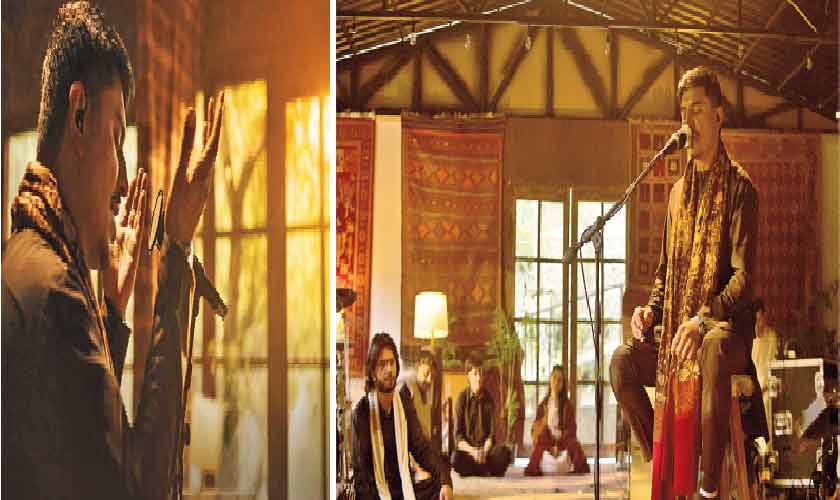
Filmed against the breathtaking landscapes of Hunza, the song pairs visual calmness with emotional unrest. It offers no easy answers or comforting conclusions. Instead, it lingers in uncertainty, asking questions that many of us carry quietly within ourselves. Is there any good news left? Is peace just a dream in these violent times?
These questions are brought to life through Faheem Uddin Hunzai’s beautiful vocal performance. His voice is powerful without becoming overpowering, carrying a vulnerability that allows the lyrics to take centre stage. There is no unnecessary embellishment, only an honest performance that serves the song overarching emotional story.
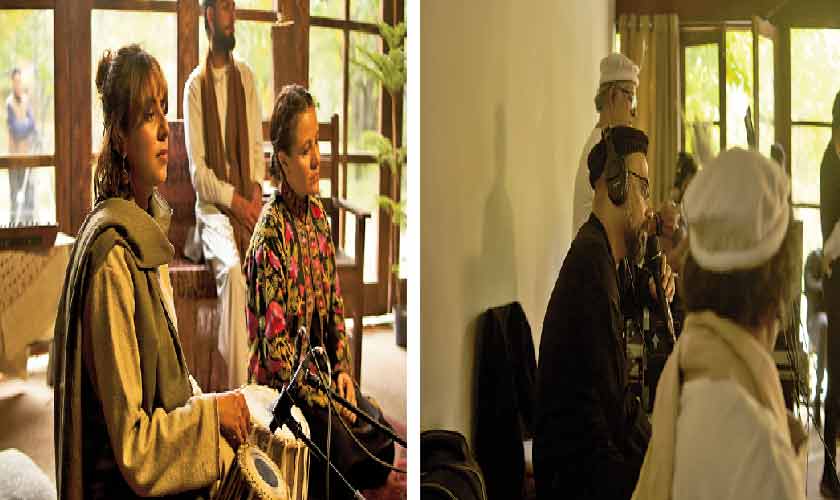
The musical arrangement follows the same understated approach. Acoustic and electric guitars anchor the composition, creating the feeling of an intimate conversation unfolding in real time. Traditional instrumentation sits comfortably alongside contemporary textures, producing a sound that feels rooted in place while remaining fresh and accessible. A standout moment arrives midway through the track with an evocative acoustic guitar solo. Rather than existing simply to showcase technical skill, it provides a brief pause for reflection before gently leading the listener back into the aching heart of the composition. It echoes the restless search for meaning that runs throughout the lyrics.
Written by Imran Ullah Hunzai (Ramz), composed by Faheem Uddin Hunzai, arranged by Xulfi and Sherry Khattak and produced and mixed by Xulfi, ‘Koi Achi Khabar’ is driven by poetry that is philosophical yet deeply human. Lines such as, “What beauty awaits in the other world that this world cannot reveal?” express a longing for something beyond the visible, while “Sleep has eluded these eyes, does no one fill that space beside you?” captures the pain of absence and longing with remarkable tenderness.
What makes the song especially affecting is its refusal to give in to despair. Even as it grapples with grief, loss and unanswered prayers, hope continues to pulse beneath the surface. The search for “good news” becomes something much larger than a literal plea, evolving into a metaphor for humanity’s enduring belief that healing, compassion and peace remain possible.
Speaking about the release, Co-Founder and Creative Director Xulfi described the song as “a voice for the thoughts we rarely manage to speak out loud”, the kind that emerge only when the world falls silent and we are left alone with ourselves. He explained that “solitude allows people to question themselves and even God with complete honesty.” Xulfi also praised Imran Hunzai’s writing, describing it as poetry that “doesn’t just speak to you, it reaches into places within you that you may not even have found words for yourself.” Listening to the song, that observation rings true.
The closing alaap provides the perfect emotional release. Rising with understated intensity, it gathers everything that has come before into a finale that is both stirring and cathartic. Rather than resolving the questions posed throughout the song, it lets them linger long after the music fades.
Curated by Xulfi and Sherry Khattak, ‘Koi Achi Khabar’ is another example of what Humnava has achieved throughout its first season: creating music that is deeply rooted in Pakistan while speaking to emotions that cross borders, languages and cultures. More than just a song, it feels like an intimate conversation with one’s self, one that isn’t afraid to ask difficult questions while still holding on to the belief that somewhere, somehow, good news is waiting.