Print Story
X




What will it take to incrementally fix the healthcare system to respond better to gender-based violence?
| 3 |
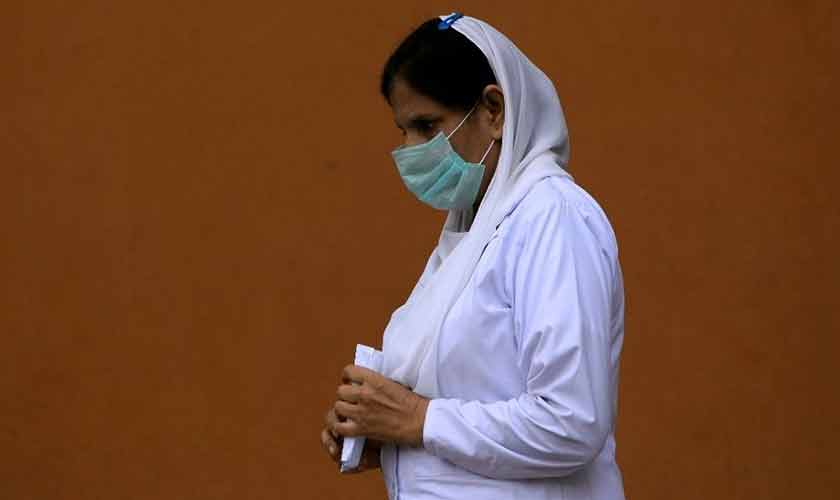
4 percent of women in Pakistan report experiencing physical or sexual violence. 56 percent of those report not seeking any help. These are worrisome numbers, a reflection of the state’s failure to safeguard fundamental rights of its women citizens and their families. Gender-based violence is mostly discussed as a policing, legal or cultural problem. It is all of these, but it is also a health system failure. For the survivors who seek recourse, the first institution they encounter after violence is a clinic, emergency room, maternity ward, medico-legal department or district hospital. That first encounter determines whether the woman receives sensitive care; whether evidence is preserved; and whether she is referred to protection service. It also determines the fate of her case, if it reaches the legal system.
Too often, the healthcare system is ill prepared and fails at this first door.
Strengthening the vulnerable
Survivors of domestic violence, sexual assault, acid violence, forced marriage and other forms of GBV often arrive at health facilities shocked, frightened, ashamed, injured and uncertain about what will happen next. What they require is empathy, privacy, efficient clinical care and counselling. Instead, many face judgmental questioning, delays, poor documentation, lack of female staff, absence of counselling and a medico-legal process that feels more like an interrogation than part of treatment. In cases of sexual violence, the medical examination itself can become a second trauma when consent is not properly assured; procedures are not explained; privacy is absent; or providers exhibit patriarchal assumptions.
Neglected and underfunded
Pakistan’s medico-legal response remains under-resourced, poorly monitored and weakly connected to police, prosecution, shelters and counselling services. Many doctors receive little practical training in handling GBV cases beyond outdated forensic medicine exposure in medical colleges. Medico-legal officers are often assigned without specialised preparation, incentives or protection. Emergency departments frequently lack basic rape examination kits, private rooms, standard forms, secure evidence storage, emergency contraception, STI prophylaxis, psychosocial support and referral directories.
Medical records remain paper-based and vulnerable to loss, delay or tampering. In smaller cities and rural districts, survivors may have to travel long distances to find a functioning medico-legal service, losing both time and evidence. This broken system has devastating consequences: survivors are discouraged; families have to compromise; evidence is lost or contaminated; and most sadly, some women learn that seeking help brings humiliation without justice. Perpetrators are emboldened and do not face any consequences.
Systematic change is possible
First, the state’s institutional and social ecosystem has to make a clear resolve that its response to GBV has to be sensitive, effective and aimed towards punishing the culprit(s). Every DHQ and major THQ hospital should have a clearly recognised GBV response room within the emergency or maternity department. The space should have privacy, trained staff, essential medicines, examination supplies, referral information and a protocol that shift members are aware of.
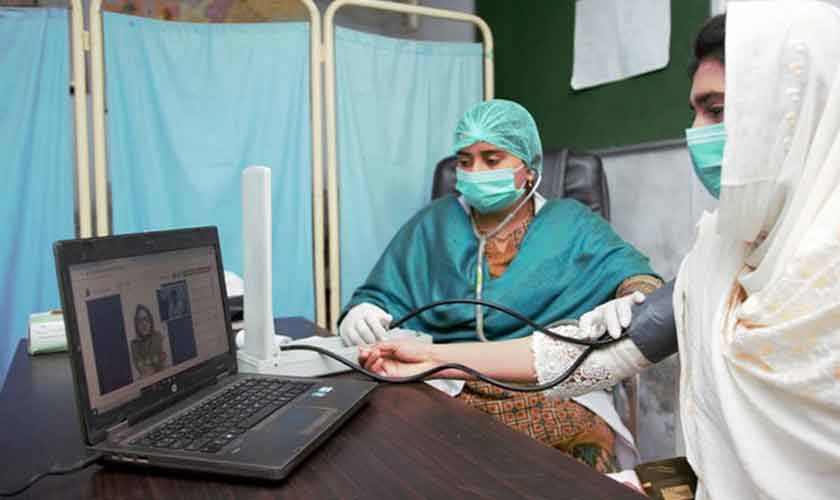
Many doctors receive little practical training in handling GBV cases beyond forensic medicine exposure in medical colleges.
Second, every facility should ensure that they have trained medico-legal and frontline health providers. Training can be adapted from available regional countries or developed in-house using digitally enabled tools. Doctors, nurses, midwives and emergency staff should be trained in first-line support: listen without judgment; ensure immediate safety; validate the survivor’s experience; treat injuries; obtain informed consent; document findings accurately; preserve evidence; and connect the survivor to protection, legal and psychosocial support: simple steps with tremendous consequences.
Third, the health response must not engage in moral policing or morbid curiosity. A survivor’s character, clothing, marital status or delay in reporting should not determine the quality of treatment. Medical staff are not there to decide whether a woman is “respectable.” They are there to provide care, document injuries and preserve evidence.
Fourth, hospitals should maintain a live referral city-wise directory for each district: women protection and child centres; shelters; legal aid; police focal persons; mental health providers; and trusted civil society organisations. A survivor should not be handed vague advice to “go to the police.” She should leave with a named service, a phone number and, where needed, accompanied referral.
Fifth, medico-legal documentation must be digitised and audited. Standard forms, time stamps, evidence tracking and case numbers linked with police and prosecution can reduce disappearance of records and improve accountability. District health authorities should review anonymised GBV response indicators every quarter: number of cases seen; time to examination; evidence collected; referrals made; stock availability; and complaints received.
Sixth, mental health support must be treated as essential care. GBV survivors often carry trauma, depression, fear, self-blame and social isolation. Even brief crisis counselling and follow-up referral can reduce harm and help women regain agency. There are sufficient hotlines that can be provided to the survivors.
Bangladesh has experimented with One-Stop Crisis Centres located in public medical college hospitals, bringing medical care, police support, counselling and legal assistance closer together. Afghanistan, before the current reversal of women’s services, used Family Protection Centres in hospitals to provide confidential, female-staffed GBV care and referrals. Neither model is perfect but both show that hospitals can become entry points for protection, not just injury treatment.
Pakistan’s health system responsiveness will not be corrected in one go; it can begin with a staunch resolve to support the survivor and then by fixing the first encounter. A survivor who reaches a hospital has already shown immense courage by asking for help. The least the state can do is make sure that the door she enters does not fail her.
The writer is the CEO of the Akhter Hameed Khan Foundation (www.ahk-foundation.org), an Islamabad based community organisation working on women’s primary and reproductive health and economic empowerment.