Print Story
X




Malnutrition in mothers and children is quiet and often hidden
| I |
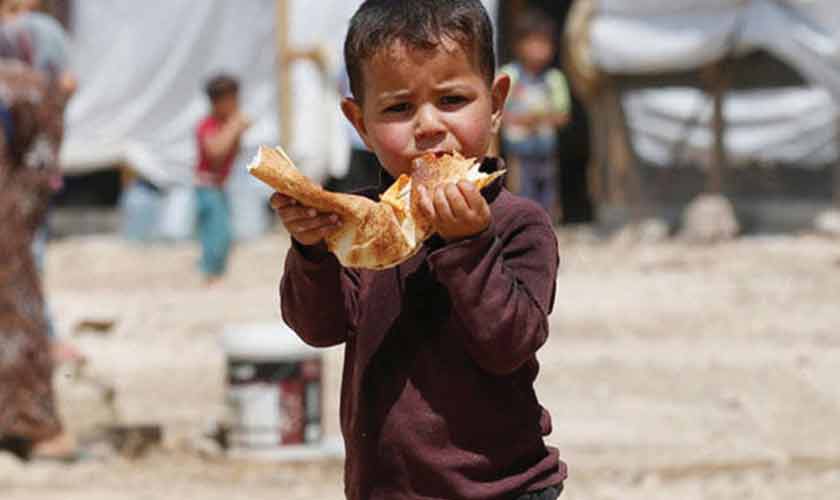
n poor households, whether within dense urban settlements or dispersed remote rural areas, mothers often juggle nutrition like a daily debt: aata (flour) first, tea next, then lentils; if possible, milk or meat. Their children may not look visibly ill. Yet, the damage may already be happening in terms of their height, immunity, attention span, school readiness and future earning capacity.
Malnutrition is devastating because it is silent and cumulative. By the time it becomes obvious, the child (usually below 3 years of age) may already have lost part of his or her full physical and intellectual potential.
Pakistan’s latest nationally comparable nutrition survey data is deeply troubling. The National Nutrition Survey 2018 reported that among children under five, 40 percent were stunted, 18 percent wasted, 29 percent underweight and 9 percent overweight. This is not only food insecurity or hunger; it is a double burden where children can be undernourished while consumption of cheap, low-quality food (commonly called ‘junk’ or ‘calorie empty’) expands.
Among women of reproductive age, the survey found 14 percent underweight, 24 percent overweight and 14 percent obese; anaemia affected 43 percent overall.
These numbers hide the real story that unfolds over the lifetime of a child and a woman in millions of households across Pakistan.
Global dilemma, Pakistan’s burden
The South Asian comparison is also sobering: India stands at 35 percent, Bangladesh at 24 percent and Nepal at 25 percent (respective demographic health surveys of these countries). So, while Pakistan is on the higher side, it is also an outlier on how stubbornly persistent its malnutrition burden has remained in the last two decades despite being an agriculture economy.
Globally, the 2025 UNICEF-WHO-World Bank joint child malnutrition estimates show that in 2024, 150 million children under five were stunted; 43 million were wasted; and 35 million were overweight. Too little food is no longer the only problem. It is also mingled with poor diets, infection, unsafe environments, weak maternal health and commercial food systems pushing ultra-processed foods into poor households.
Addressing the challenge
For Pakistan’s urban poor, malnutrition has three related causes. The first is poverty: families eat to fill the stomach, not to meet nutritional needs. The second is disease: unsafe water, diarrhoea, worms and poor sanitation prevent children from absorbing nutrients. NNS 2018 found microbiological contamination in drinking water samples, with coliform contamination in 83 percent of households and E coli in 31 percent. The third is weak maternal nutrition: an anaemic, undernourished or exhausted mother is more likely to give birth to a low-birth-weight infant.
The first 1,000 days from conception to a child’s second birthday are decisive. Stunting is not simply short height. It is a marker of chronic deprivation, often associated with weak immunity, poor learning capacity and reduced physical development. Wasting is more acute and dangerous. A wasted child is too thin for height and is at higher risk of death, especially when illness strikes. Evidence from primary healthcare literature shows that malnutrition is linked to higher and longer infections due to lowered immunity.
In Pakistan, like the rest of South Asia, the triple burden of malnutrition, obesity and micronutrient deficiencies are exacerbated by parasitic and sanitation-linked infections. Lane sanitation, urban flooding with sewerage water, unsafe water and poor diets are a daily reality in the country.
Local solutions to last mile access
First, policy and programme makers should engage the communities and include their voices in solving the issues. Local women models such as Aapis (community based, trusted female outreach workers) used by Akhter Hameed Khan Foundation in poor urban settlements, can measure mid-upper arm circumference, identify danger signs, counsel mothers and digitally refer children before malnutrition becomes a crisis. It costs less than Rs 200 per household reached and served.
Second, nutrition counselling must be embedded in health interactions from acute care touchpoints to vaccination delivery by vaccinators. Mothers do not need lectures about ‘balanced diets’ they cannot afford. They need locally feasible advice: continued breastfeeding for at least 6 months; timely complementary feeding lentils, eggs and where affordable, yoghurt, seasonal vegetables, fortified flour; handwashing, ORS and zinc during diarrhoea; immunisation follow-up and referral for severe wasting. These can be delivered via community Whatsapp groups and short 1-2 minute educational videos for low literacy audiences.
Third, family planning must be treated as a nutrition intervention. Closely spaced pregnancies deplete women physically and nutritionally. WHO guidance recommends waiting at least 24-36 months after a live birth before attempting the next pregnancy to reduce adverse maternal and infant outcomes. In Pakistan, where the unmet need for family planning remains high, postpartum family planning counselling through Aapis can directly support maternal recovery, breastfeeding, child feeding and healthier birth spacing.
Pakistan does not lack nutrition policies. It lacks trusted last-mile systems. A mother in an urban slum already knows her child needs better food. What she lacks is money, mobility, clean water, birth-spacing support and a worker who returns next week—not just during a campaign. Nutrition will improve when mothers are treated not as passive recipients but as frontline partners in Pakistan’s human development strategy.
The writer is the CEO of the Akhter Hameed Khan Foundation (www.ahk-foundation.org), an Islamabad based community organisation working on women’s primary and reproductive health and economic empowerment.