Print Story
X




In this Netflix horror series, every character seems to be on a tight-rope of their own
| S |
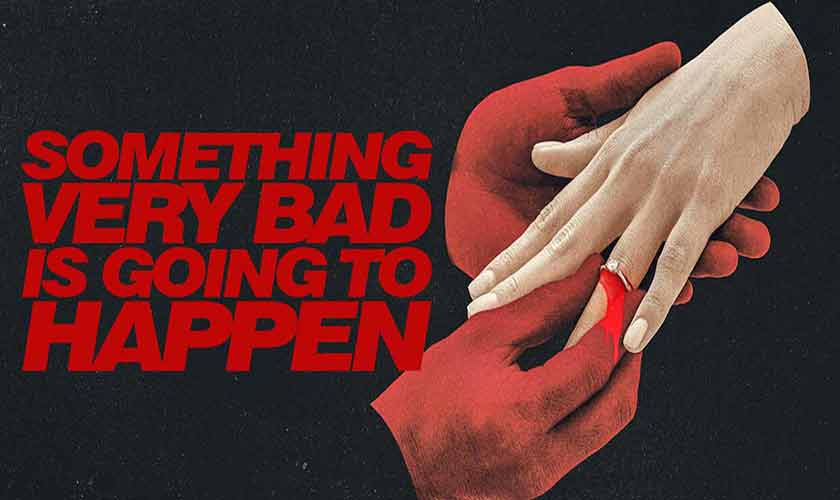
omething Very Bad Is Going to Happen is a 2026 mini-series streaming on Netflix. It is one of the rare horror series that understand a simple truth: fear is far more effective when it lingers than when it explodes. Instead of relying on jump scares or excessive gore, the show leans into psychological unease, building a suffocating atmosphere that stays with one long after each episode ends. It is less about what happens and more about the unbearable tension of knowing that something will.
The story revolves around a couple preparing for their wedding, a traditionally joyful event that is slowly and methodically corrupted by dread. The brilliance of the narrative lies in its restraint. Episodes unfold at a deliberate pace, allowing mundane interactions such as family dinners, quiet conversations and wedding planning to take on an almost sinister weight. The writing never rushes to reveal its hand. Instead, it invites the viewer into a space of constant anticipation, where every glance and pause feels loaded with meaning.
The show thrives on ambiguity. It does not spoon-feed explanations. This may frustrate viewers expecting conventional horror storytelling, but for those willing to sit with uncertainty, the payoff is deeply unsettling. The script carefully balances emotional realism with creeping horror, making the descent into chaos feel both inevitable and disturbingly plausible.
The performances are the backbone of the series. The lead actors portraying the engaged couple deliver nuanced, emotionally grounded performances that elevate the material. Their chemistry feels authentic, which makes the gradual unraveling of their relationship all the more painful to watch. There is a subtle shift in their interactions as the episodes progress. Moments of hesitation, forced smiles and underlying tension communicate far more than dialogue ever could.
The supporting cast, particularly the family members, add layers of complexity. Each character feels like they are hiding something and the actors lean into this ambiguity with controlled, understated performances. No one is overtly theatrical. Instead, the horror emerges from small, believable details such as an awkward silence, a lingering stare, or a line delivered just slightly off. This naturalistic approach makes the eventual escalation of events feel earned rather than exaggerated.
What stands out the most is the show’s refusal to create clear heroes or villains. The cast portrays deeply flawed individuals, each carrying emotional baggage that contributes to the overarching tension. This moral greyness enhances the psychological depth of the series.
Visually, the series is striking without being flashy. The cinematography favours muted colour palettes including greys, dull blues and washed out warm tones that reflect the emotional undercurrents of the story. Lighting plays a crucial role, often casting characters in half shadow and reinforcing the theme that not everything is visible or understood.
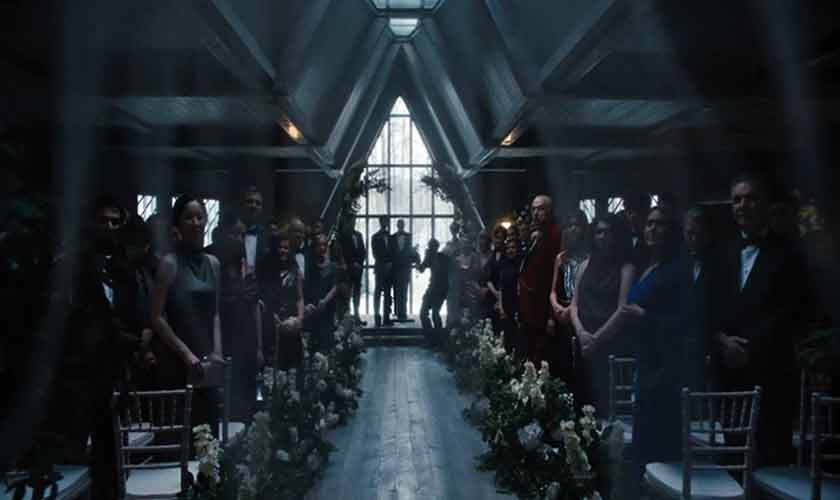
The story revolves around a couple preparing for their wedding, a traditionally joyful event that is slowly and methodically corrupted by dread. The brilliance of the narrative lies in its restraint.
The camera work is deliberate and patient. Long takes and slow pans create a sense of unease, as if the viewer is being forced to linger in uncomfortable moments. Close-ups are used sparingly but effectively, often capturing subtle facial expressions that reveal internal conflict.
Set design deserves special mention. The wedding setting, typically associated with joy and celebration, is transformed into something claustrophobic and unsettling. Spaces feel too quiet and too still, as if waiting for something to go wrong. This inversion of familiar environments is one of the show’s most effective visual strategies.
The sound design is minimalistic, but incredibly impactful. Silence is used as a tool rather than an absence. Many scenes unfold with little-to-no background music, forcing the viewer to focus on ambient sounds such as footsteps, breathing and distant noises that heighten tension.
When music is used, it is subtle and often dissonant, creeping in rather than announcing itself. The score avoids melodrama and opts instead for low, unsettling tones that reinforce the sense of impending doom. This restraint makes the few moments of heightened audio all the more jarring.
Beyond its surface level horror, the series explores themes of anxiety, control and the fear of the unknown. The impending wedding serves as a metaphor for irreversible change and the loss of certainty. The characters are not just afraid of external threats but are also grappling with internal doubt and unresolved tensions.
The show also examines how fear can distort perception. As the narrative progresses, it becomes increasingly difficult to distinguish between what is real and what is imagined. This psychological layering adds depth, making the horror feel personal rather than purely situational.
Something Very Bad Is Going to Happen is not a show for everyone. Its slow pacing and ambiguous storytelling may alienate viewers looking for straightforward horror. However, for those who appreciate atmosphere-driven narratives and character-focused storytelling, it is a compelling and deeply unsettling experience.
The series succeeds because it trusts its audience. It does not rely on cheap thrills or excessive exposition. Instead, it creates a world where tension is a constant, performances are authentic and every element - from visuals to sound - is carefully calibrated to evoke unease.
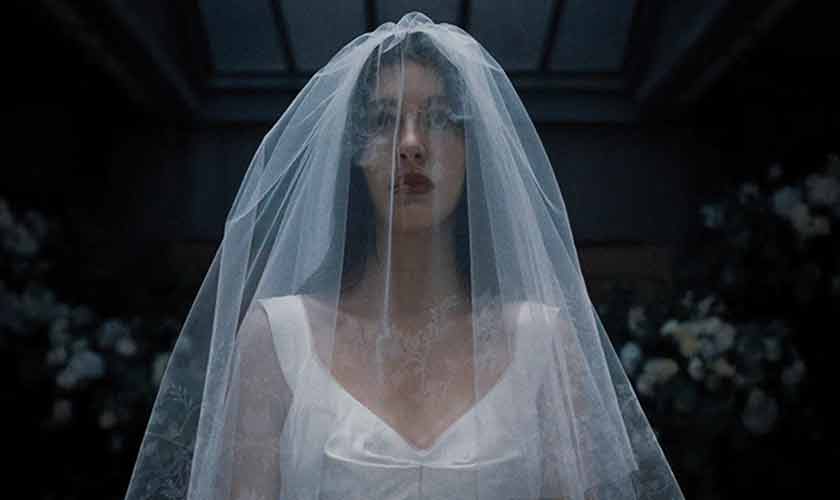
The show delivers exactly what its title promises. Not necessarily a single shocking event, but a prolonged, creeping realisation that something is fundamentally wrong and that there is no easy escape from it
The writer has a degree in psychology with a minor in mass communication. She can be reached at [email protected]