Print Story
X




As the conflict in the Middle East widens so does the pressure on regional economies, including Pakistan’s
| T |
he widening Middle East war was never going to remain a purely regional security crisis. Even so, few expected it to become so quickly the energy and economic shock it has become. Pakistan is especially exposed to that spillover. The Economist recently placed it among the countries most vulnerable to the resulting energy shock, alongside Jordan, Sri Lanka and Egypt.
Pakistan’s ties to the region run well beyond energy, through remittances, labour markets, trade routes, strategic interests and public sentiment.
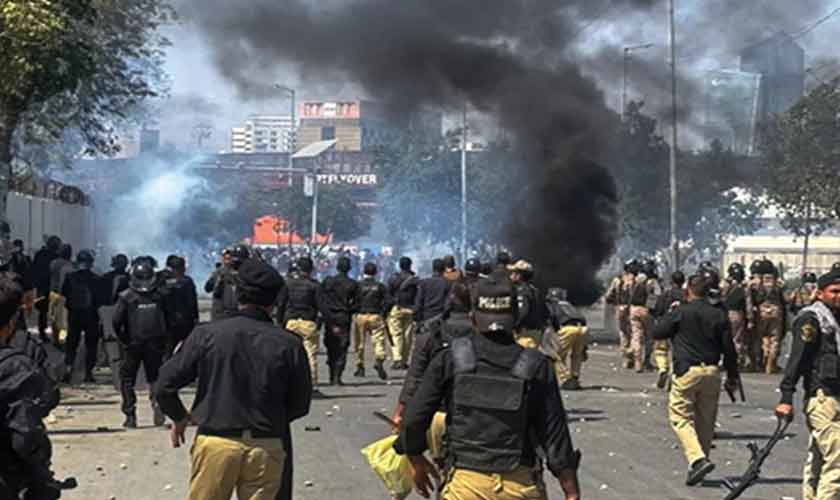
That is why the first shock in Pakistan was felt not only in markets but in emotions. Protests erupted against the US and Israeli attack on Iran, revealing how quickly a conflict abroad can stir passions at home. Thankfully, restraint prevailed, and the protests did not widen into something more dangerous.
Yet, public sentiment is only the most visible part of the story.
The deeper and more enduring pressure is and will continue to be felt through the economy, beginning with energy.
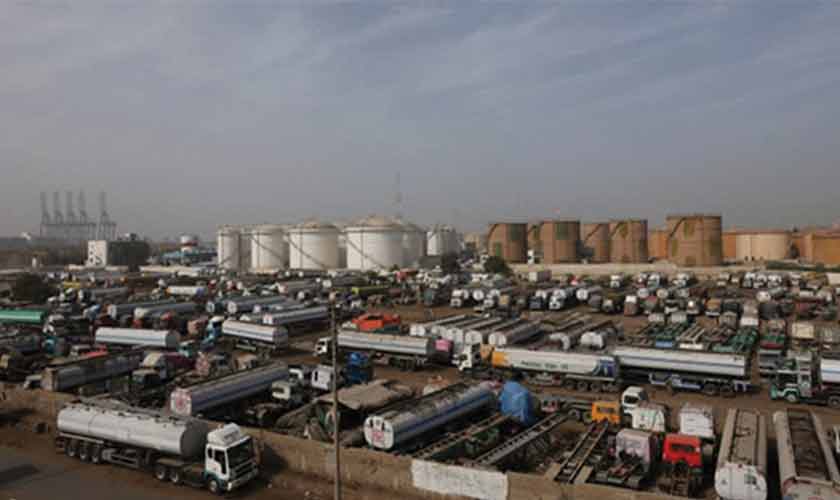
Pakistan remains heavily dependent on imported oil and LNG, with 88.9 percent of those supplies coming from the Middle East. That is why The Economist ranks it among the emerging markets most vulnerable to the present energy shock: the country combines high exposure with weak buffers. The Gulf remittances equal 5.57 percent of the GDP. Foreign exchange reserves covered only 2.8 months of imports even when oil was around $60 a barrel. In such conditions, a rise in crude oil prices does not remain confined to commodity markets. It passes quickly into the current account, the rupee, fuel prices, power tariffs, industrial costs and inflation.
Pakistan has recovered a degree of macroeconomic stability over the past year, but stability supported by such thin cushions remains vulnerable to any prolonged energy shock.
Nor does Pakistan’s exposure stop at what it imports. It also extends to the millions of Pakistanis whose work in the Gulf provides vital support to the economy back home. The region is not only the source of Pakistan’s energy dependence. It is also a pillar of its external financing. Saudi Arabia and the UAE together account for around 44 percent of remittance inflows. These transfers do far more than support household spending. They ease exchange-rate pressure, support domestic demand and help steady the external account.
The war has already disrupted aviation, energy, tourism and multinational businesses in the region. As a result, it will weaken construction, logistics, retail and service sectors in the Gulf, slowing hiring and dampening workers’ confidence even before layoffs happen. The effects will reach Pakistani households with a slight delay. Remittances may not fall abruptly, but without de-escalation, the pressure is likely to build.
The problem is not only that the world has become more unstable. It is that Pakistan remains too exposed to instability elsewhere.
Much, then, depends on how long the war lasts.
A short shock can sometimes be managed through inventories, administrative restraint and temporary fiscal adjustment. A prolonged conflict is different. It locks in higher oil and gas prices, keeps freight and insurance costs elevated and raises the likelihood that gas shortages or higher gas costs feed into urea fertiliser prices.
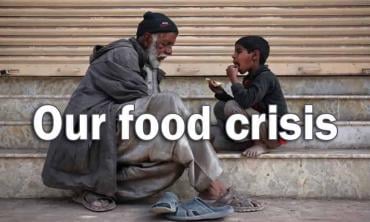
UN agencies have already warned that the war is creating conditions for a fresh food price shock across developing countries, as fertiliser shipments through the Gulf come under strain and urea prices rise. For Pakistan, that warning is immediate. An energy shock that begins with imported fuel does not end there. It soon passes into the cost of wheat, vegetables and transport. It also squeezes small industries, raises export costs and complicates monetary policy at a moment when the economy needs room to grow. The longer the conflict continues, the more likely it is that Pakistan’s separate points of exposure begin to reinforce one another.
What, then, should the government and the public expect in the coming weeks?
More volatility, for a start.
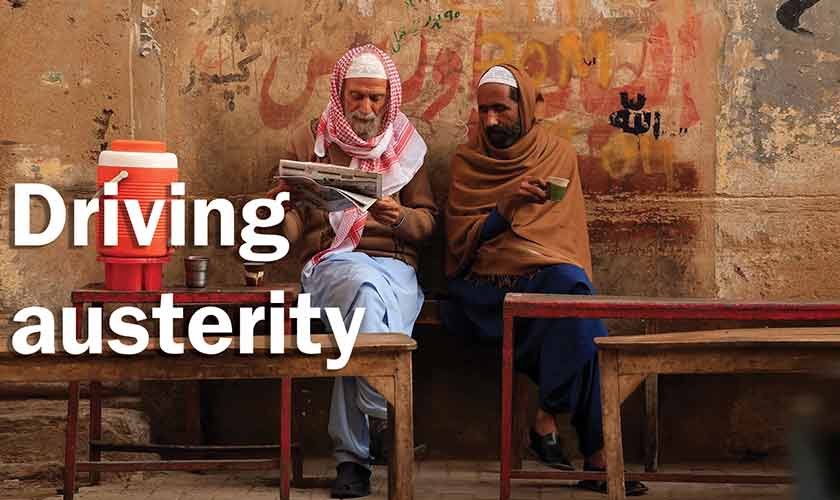
Oil and LNG markets are likely to remain nervous. Import financing may tighten. Shipping delays and higher freight charges may begin feeding into domestic prices with a lag. The government is so far managing the situation through austerity measures; energy conservation initiatives; and by rolling out the idea of smart lockdowns (although I have my reservations about online schooling. In my opinion, this will adversely impact educational outcomes. School education should be treated as an emergency service).
With all these measures, the government should also revisit contingency plans for fuel procurement; review fertiliser availability; secure essential food supply chains; and communicate candidly with industry. It should also avoid the familiar reflex of passing the burden wholesale to lower- and middle-income households. They did not create this exposure, and they should not be asked to absorb it unaided.
Pakistan’s response must proceed on two fronts. One, diplomatic: Islamabad’s efforts to support de-escalation and mediation are widely acknowledged. By being part of the solution, it is attempting to achieve regional restraint and the uninterrupted movement of trade and energy supplies. The other, domestic: this crisis should be used to accelerate the reforms Pakistan has delayed for too long, on economic, energy and social protection fronts.
That, in the end, is the larger lesson. The problem is not only that the world has become more unstable. It is that Pakistan remains too exposed to instability elsewhere. The war has revealed the cost of treating resilience as an afterthought. Resilience is not a slogan. It is a practical economic strategy. For energy security, it means a stronger grid, more diversified energy sources, reduced dependence on imported fuel through adoption of renewable energy (read: solar), better storage, smarter transport and more efficient use of power.
These measures will not completely insulate Pakistan. But they will make it less vulnerable to shocks elsewhere and better able to respond with steadiness when the next crisis arrives.
The writer heads the Sustainable Development Policy Institute and is a member of the Asian Development Bank Institute’s Advisory Board. His LinkedIn handle is Abidsuleri.