Print Story
X




This was not an isolated crisis. It was a symptom
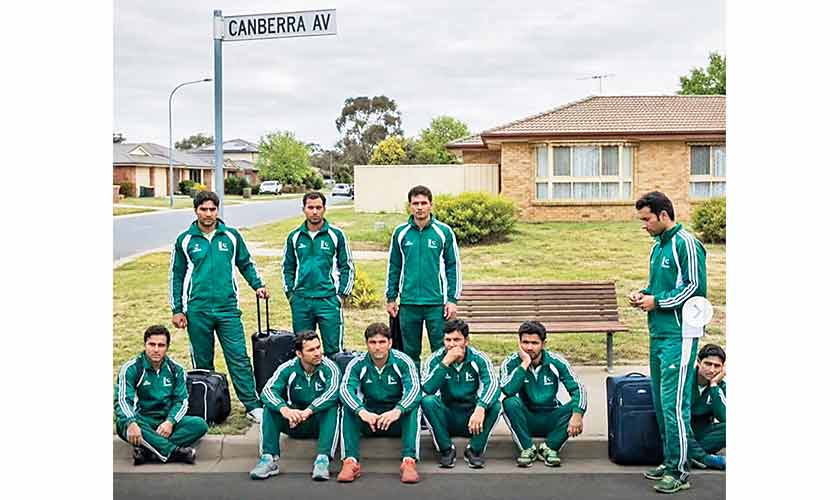
Once there was a time when Pakistan hockey dictated the rhythm of the world game. But at the moment it is fighting for administrative survival.
From three Olympic gold medals and four World Cup titles to accommodation chaos on foreign tours, the fall has been brutal rather shameful. The Hobart episode - where players were reportedly forced into makeshift arrangements despite funds allegedly being released for proper lodging - did not merely embarrass Pakistan internationally. It exposed a system hollowed out by mismanagement, political interference and financial ambiguity.
This was not an isolated crisis. It was a symptom. The turbulence inside the Pakistan Hockey Federation has mirrored the instability on the field. The resignation of former PHF president Tariq Hussain Bugti, the controversial two-year ban on captain Ammad Shakeel Butt for speaking about unpaid dues, and the eventual reversal of that ban under ad hoc president Mohyuddin Ahmad Wani painted a picture of institutional insecurity rather than accountability.
When a captain raises concerns about unpaid allowances and administrative failures, punishment should not be the reflex. Protection should.
The lifting of the ban acknowledged mishandling. But reversing a decision does not erase the culture that produced it.
In an extraordinary development, Mohsin Naqvi - who also heads the Pakistan Cricket Board - intervened to calm tensions, meet players and offer logistical and financial support.
The gesture was welcome if it’s not a photo-op. But it also raised a troubling question: why must cricket rescue hockey?
Cross-sport solidarity is admirable. Cross-sport dependency is not. When one federation depends on another to arrange basic logistics, the problem is structural.
Prime Minister Shehbaz Sharif reportedly allocated funds and ordered inquiries following public outrage. Committees were formed. Statements were issued.
Yet players found themselves navigating uncertainty abroad.
When funds are announced publicly but accountability remains opaque, governance credibility erodes. The Pakistan Sports Board and PHF have repeatedly traded blame over who controls finances and operational authority. Meanwhile, Pakistan’s reputation continues to absorb the cost. They need to understand that systems win tournaments. Blame games do not.
However, in response to mounting criticism, the PHF announced an ad hoc Governance and Management Committee, describing it as a structural shift toward modernisation and professional administration.
Former Olympians Hassan Sardar and Islahuddin Siddiqui have been tasked with co-chairing a Professional Development Committee overseeing selection policies, training protocols and performance benchmarks.
Technocrats have been inducted into governance roles, including corporate executives and finance professionals. Brigadier (retd) Akmal Aziz has been assigned Secretary General responsibilities, while Captain (Retd) Farukh Atiq Khan has taken charge as treasurer to head the delegation to Egypt.
On paper, the model separates technical hockey operations from corporate governance, marketing and financial oversight - a structure long demanded by reform advocates.
Insiders suggest the federation may eventually move toward a governing board model similar to the PCB framework.
This is significant. But structure alone does not guarantee transparency. Without independent audits, publicly disclosed financial statements and insulation from political patronage, reform risks becoming cosmetic.
Pakistan hockey has announced resets before. Pakistan’s decline did not occur overnight. It was predictable and preventable.
Political appointments over professional management. Leadership roles too often rewarded loyalty instead of expertise.
Financial opacity. Repeated controversies over allowances, travel mismanagement and unclear fund utilization eroded trust.
Grassroots neglect. While Belgium, Australia and the Netherlands modernized academies and high-performance systems, Pakistan relied on legacy.
Internal power struggles. Frequent suspensions, resignations and interim setups created instability. Absence of long-term vision. Nostalgia replaced strategy.
You cannot compete in 2026 with a blueprint from 1986. As Pakistan prepares for the FIH World Cup Qualifiers in Egypt from March 1-7, the rhetoric has shifted toward unity and renewal.
Ad hoc president Mohyuddin Wani has assured players of full logistical and administrative backing. Newly appointed head coach Khawaja Muhammad Junaid has termed the qualifiers a “golden opportunity” to reclaim lost ground.
Pakistan face Malaysia, Austria and China in a challenging group - a reminder that modern hockey does not wait for historical reputation.
The assurances are encouraging. But the question is not what is promised. It is what will be delivered.
Beyond administrative diagrams and committee announcements stand athletes who train amid uncertainty and represent the country without institutional stability.
They are ambassadors of a national sport that exists constitutionally but not structurally.
They deserve more than emergency interventions and symbolic meetings. They deserve predictable systems, professional management and transparent governance.
Pakistan hockey is not merely confronting a performance slump. It is confronting credibility erosion.
If the newly formed governance model delivers genuine financial transparency, professional decision-making and depoliticised administration, it could mark a turning point.
If not, the cycle will repeat: crisis, committee, reshuffle, rhetoric - and relapse. Hockey remains Pakistan’s national sport in name.
Whether it becomes a national priority in practice will determine whether this is revival - or the final chapter of irreversible decline.