Print Story
X




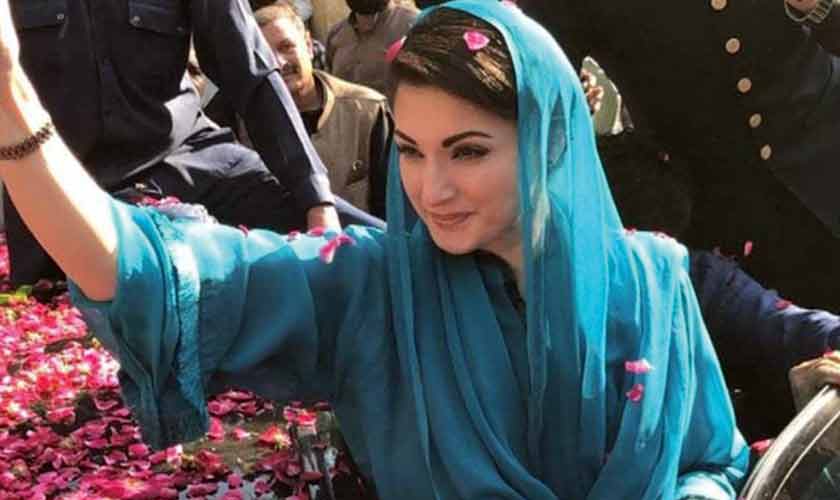
Pakistan Muslim League-Nawaz has capitalised on the incumbency advantage
| P |
akistan’s political landscape is undergoing a visible realignment. The Pakistan Muslim League (Nawaz) has steadily consolidated its position. Meanwhile, the Pakistan Tehreek-i-Insaf, once buoyed by a powerful wave in its favour, appears divided, disheartened and strategically adrift. The contrast between the two parties reflects not merely electoral arithmetic but also deeper questions of organisation, leadership and political maturity.
The PML-N has pragmatically capitalised on its incumbency. By strengthening alliances, managing parliamentary arithmetic and consolidating its legislative footing, it has created breathing space for governance and policy direction. In coordination with coalition partners, particularly Pakistan Peoples Party, it has demonstrated a willingness to prioritise stability over confrontation. In the Punjab especially, the party has reinforced its traditional stronghold, presenting itself as the more organised and institutionally grounded political force.
Some analysts argue that all ruling parties in Pakistan have historically benefited from administrative leverage, it is equally true that political organisation, disciplined messaging and strategic clarity matter a lot. The PML-N has displayed these traits with relative consistency. In contrast, the PPP’s popular footprint continues to shrink beyond Sindh. Meanwhile, the Punjab remains the decisive battleground of Pakistani politics. This is where the PML-N currently enjoys the upper hand.
The PTI’s trajectory tells a different story. Once regarded as a reformist movement promising institutional renewal, anti-corruption reforms and a welfare-oriented Islamic state, it is now struggling with internal fissures and a crisis of direction. The party’s politics increasingly revolves around a single leader, limiting institutional growth and discouraging internal debate. Strategic decisions appear centralised rather than consultative, deepening frustration within segments of its own rank and file.
The cultist orientation that once energised supporters now risks suffocating broader political discourse. A nationwide political party cannot indefinitely anchor itself to the adversity of one individual, however charismatic. Imran Khan’s political appeal remains significant, but that appeal alone cannot substitute for institutional coherence. Sustainable politics demands collective leadership, internal democracy and the ability to adapt tactics to changing realities.
Ironically, the PTI had previously demonstrated great resilience. During its tenure in government, it contested difficult political battles and survived electoral setbacks without retreating from the democratic process. That maturity now seems overshadowed by a strategy of disengagement and protest-centric politics. Boycotts, agitation and perpetual narratives of victimhood may energise a party core but can rarely expand a national constituency.
Pakistan Tehreek-i-Insaf’s inward-looking posture has ceded political space to its rivals. Pakistan Muslim League-Nawaz has positioned itself as a party of continuity and administrative experience. Politically it has succeeded in projecting steadiness in contrast to the turbulence associated with the PTI.
The PTI’s strategic retreat has come at a time when economic hardship, inflation, unemployment and governance challenges have created fertile ground for opposition mobilisation. Public frustration over economic pressures and institutional inefficiencies could have been channelled into a coherent parliamentary challenge. Instead, PTI’s inward-looking posture has ceded political space to its rivals.
Meanwhile, the PML-N has positioned itself as a party of continuity and administrative experience. Whether it can translate that consolidation into durable governance outcomes remains to be seen, but politically it has succeeded in projecting steadiness in contrast to the turbulence associated with the PTI.
The lesson is unmistakable: Pakistani politics ultimately rewards organisation over outrage; institutional endurance over personal charisma; and strategic patience over emotional reaction. The PTI’s path back to national relevance lies not in perpetual confrontation but in reconnecting with bread-and-butter issues—economic relief, governance reform, institutional accountability and social stability.
If it seeks a political comeback, the PTI must prioritise democratic engagement, parliamentary contestation and the ballot box. Agitation alone cannot substitute for governance credibility. A shift from personality-driven politics to people-centric policy discourse is essential.
Pakistan’s democracy remains imperfect and turbulent, but it continues to function within constitutional parameters. The evolving contest between PML-N’s consolidation and PTI’s fragmentation reflects a deeper struggle over what kind of political culture will prevail: one rooted in institutional continuity or one driven by charismatic mobilisation.
Political choices over the coming months will determine whether the PTI can rediscover its organisational coherence and strategic clarity and whether the PML-N’s current ascendancy marks the beginning of sustained political dominance.
The contributor is a retired civil servant based in Shikarpur. He can be reached at qamersoomroshp22 @gmail.com.