Print Story
X




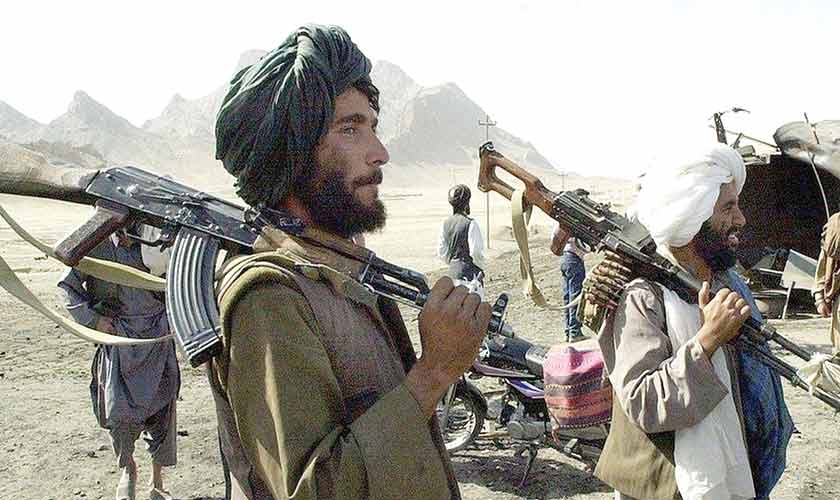
Afghanistan has become a source for the spread of extremism in the region, especially in Pakistan’s tribal districts.
| H |
ow to solve the extremism problem that has plagued the South Asian region for four decades is a million-dollar question. Containing and managing it is considered easier than eradicating it. Yet, for decades, Pakistan and Afghanistan have struggled to contain and combat the phenomenon that has given birth to dreaded groups such as Al Qaeda and the Islamic State of Iraq and Syria in the Middle East and the Tehreek-i-Taliban in Pakistan. South, Central and Southwest Asia have all been crippled by the weight of religio-political extremism that informs both domestic and international policies of all governments in the region. This has marred their reputations in the international community.
Over the last 40 years, Afghanistan has remained the epicenter of political instability, religious extremism and terrorism that have crippled the nation state. All its neighbours realise that the Taliban-led Afghan government can exert a toxic extremist influence across the region and damage their economies and domestic politics. The neighbours’ reluctance to embrace the Taliban’s return to power is an indicator that these nations are weary of the stain of religious extremism that now rests on nearly every state in the region.
A collective hatred of secularism is the foundation on which these terror groups thrive. With frequent interventions by foreign powers, it is hardly surprising that extremism continues to rise. Extremist ideologies in the region are built upon a uniform hostility toward the West. This trend is not only dangerous but also particularly problematic for Pakistan.
The Afghan Taliban’s ability to influence Pakistan’s tribal districts is a persistent concern. Pakistan has been making earnest efforts to improve its image in the international community.
Micro-managing and restricting the ideological and political influence of the Tehreek-i-Taliban Pakistan is arguably the most effective way to combat its increasingly problematic presence in Pakistan. Its oppressive control over the tribal regions in southern Khyber Pakhtunkhwa must be addressed through diplomatic engagement, while simultaneously managing relations with the Taliban in Afghanistan. The Afghan Taliban continue to grant asylum to TTP fighters. The support they enjoy in Afghanistan has enabled TTP militants to intensify cross-border attacks into Pakistan where they are fighting a full-fledged guerrilla war. The Afghan Taliban’s tolerance of the TTP’s violent rhetoric and hostile posture toward Pakistan clearly indicate where their sympathies lie.
Micro-managing and restricting the ideological and political influence of the Teheerk-i-Taliban Pakistan is probably the most effective way to combat its increasingly problematic presence in Pakistan.
Pakistan does not seek confrontation with the Afghan regime. India has a history of involvement in the region. Whatever unfolds in Afghanistan will inevitably affect Pakistan.
The real victims of extremism are not the governments but the people who have suffered as a consequence of their policies. Since the Taliban’s takeover of Afghanistan in 2021, Afghans have been plunged into a worsening humanitarian crisis. 20 million people face daily hunger, the economy has collapsed and indicators in health, education and employment sectors have deteriorated. Women have been stripped of some of their fundamental rights.
Between the TTP’s recent subversive activities in southern KP and the Afghan Taliban’s hostile posture along the border, Pakistan is caught between the devil and the deep sea. The Afghan Taliban do not wish to rein in the TTP. They are also determined not to be seen as Pakistan’s satellite state. The question remains: what choices do they have? The Taliban government has not received formal diplomatic recognition across the world.
The Afghan Taliban need recognition and international aid. Pakistan could potentially leverage this need. The two should open negotiations for mutually beneficial arrangements. Providing the Afghan Taliban government with assistance while urging them to isolate the TTP—and offering greater diplomatic support in exchange for respect for Pakistan’s sovereignty—seems far more prudent than an all-out war, which neither side can afford. The strategy could be expanded at the regional level in coordination with China, Russia, Iran and the Central Asian republics.
Pakistan retains leverage. Recognising the looming extremist threat, it possesses the diplomatic and strategic resources to persuade the Afghan Taliban government to distance itself from the TTP. Without Afghan political and military backing, the TTP would be significantly easier to contain. Islamabad needs to demonstrate political resolve. It also needs to send a strong message to the international community that Pakistan is not a state guided by extremist impulses.
The author is a professor of international relations at the University of Peshawar. He can be contacted at: [email protected].