Print Story
X




As Bangladesh is cornered and the threat of a Pakistan-India boycott looms over financial giants, the ‘Spirit of Cricket’ is being sacrificed at the altar of political convenience
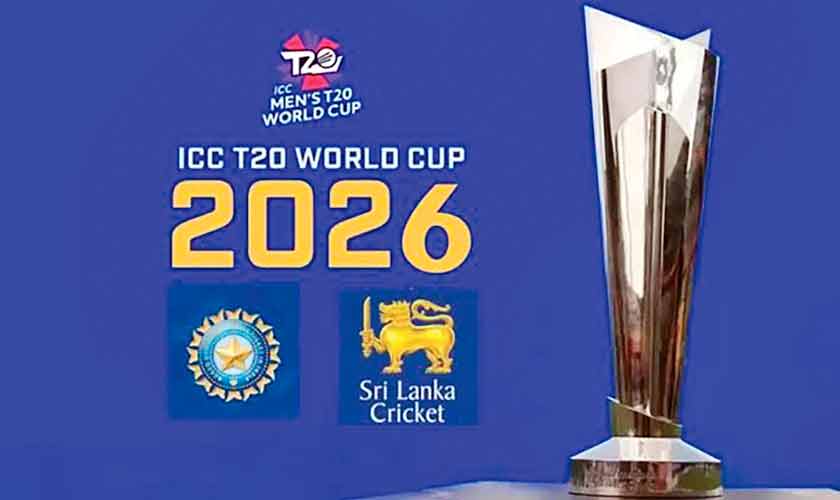
Cricket has always been described as the game of gentlemen. Not because it is played with a bat and ball, but because it has historically been governed by principles, fairness, respect, and balance. Today, as we approach the ICC Men’s T20 World Cup 2026, those principles appear under serious strain.
First and foremost, cricket must not be politicised. The moment politics dictates who plays where, who is heard, and who is discarded, the game begins to lose its soul. Unfortunately, that is exactly the direction in which global cricket seems to be drifting.
The T20 World Cup 2026, scheduled to take place in India and Sri Lanka this February, has already become one of the most unusual and unsettling tournaments in recent memory, and not because of cricketing reasons.
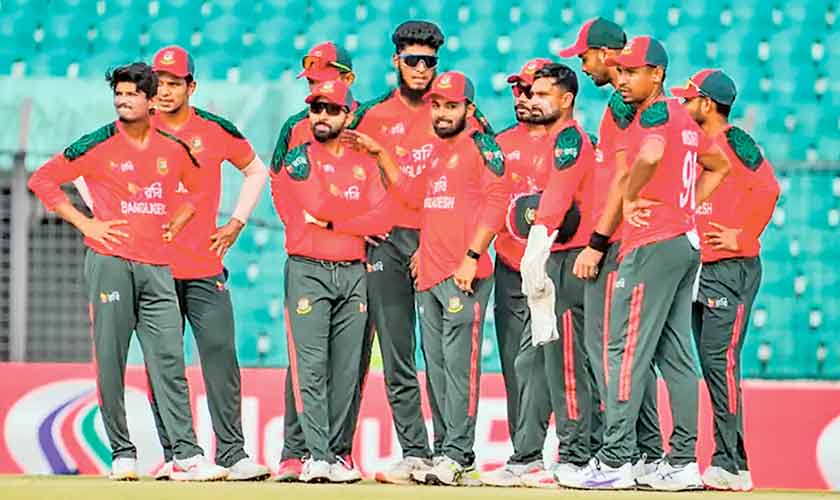
The treatment of Bangladesh by the International Cricket Council (ICC) has raised serious questions about fairness and sporting integrity. Bangladesh, citing genuine security and governmental concerns, requested that their matches scheduled in India be shifted to Sri Lanka, which is already a co-host nation. This was not an unreasonable demand. It was practical, logistically possible, and rooted in player safety, something that should always be non-negotiable.
Instead of engaging constructively, the ICC chose a path that goes against the very spirit of sport. Bangladesh were cornered, isolated, and ultimately replaced by Scotland. No matter how one frames it, removing a qualified team from a World Cup for expressing legitimate concerns sets a dangerous precedent. It sends a message that some voices matter more than others.
As someone who has captained Pakistan and played international cricket across the world, I find this deeply troubling. Cricket cannot operate on selective justice. Either safety concerns are respected universally, or they are respected nowhere.
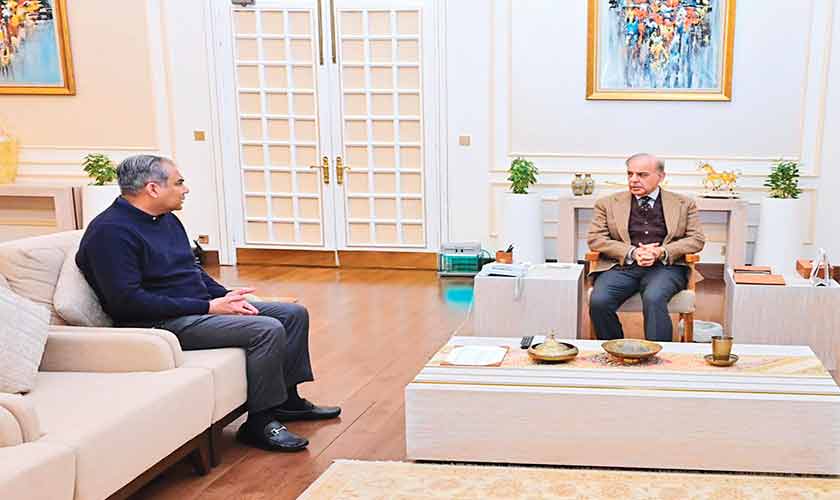
In this tense environment, the Pakistan Cricket Board, under Chairman Syed Mohsin Naqvi, has taken a firm and principled stand. His initial statement, that Pakistan’s participation would depend on the approval of the Prime Minister, was not political posturing, but a recognition of reality. National teams do not operate in isolation from national responsibility.
Once permission was granted, Pakistan reaffirmed its commitment to the tournament. However, Chairman Naqvi went a step further and declared that Pakistan could consider skipping its World Cup clash against India if Bangladesh is not provided justice. This is not a threat; it is a moral position.
The seriousness of this stance has shaken the cricketing world, particularly the ICC. Everyone understands what an India-Pakistan match represents. It is the most watched, most valuable, and most financially significant fixture in world cricket. Entire broadcast deals are built around it. If that match does not take place, the financial repercussions for the ICC would be enormous.
But here is the uncomfortable truth: if cricket’s administrators only wake up when money is threatened, then the game is already in trouble. Pakistan’s position is not about rivalry. It is about principle. Pakistan has lived through decades where security concerns were dismissed, where neutral venues became the norm, and where patience was demanded without empathy. That experience gives Pakistan the moral authority to speak when another team is treated unfairly.
Adding further complexity to this already fragile situation are reports of health concerns in the region, including the spread of the Nipah (NiPA) virus in parts of India. While health authorities continue to assess and manage the situation, the mere possibility of disruption has led to speculation that some matches may need to be shifted entirely to Sri Lanka or even the United Arab Emirates.
If that happens, it will further expose how unprepared and rigid the tournament’s planning has been. A World Cup should be built on flexibility, foresight, and contingency, not reaction and denial.
Taken together, these developments make the T20 World Cup 2026 feel strange, uncertain, and unsettled. A tournament meant to celebrate cricket is instead dominated by boardroom battles, political undertones, and governance failures. Time will tell what its true fate will be. But this is precisely the moment where leadership matters most.
The ICC must pause and reflect. Removing Bangladesh was never the right solution. Listening, accommodating, and adapting would have strengthened the tournament, not weakened it. Justice in sport is not about convenience; it is about consistency.
At the same time, Pakistan must continue to act responsibly. Taking a principled stand does not mean abandoning the game. It means ensuring that cricket remains bigger than any one board, any one country, or any one financial interest. Cricket has survived wars, political breakdowns, and global crises because, at its best, it rises above them. This World Cup should be an opportunity to prove that once again.
In the end, the ultimate winners of the T20 World Cup 2026 should not be India, Pakistan, or any other team. The ultimate winner must be cricket. If administrators, boards, and stakeholders remember that-if they remove politics from the pitch and put the game first-then even this troubled World Cup can still serve a greater purpose. Because when cricket wins, everyone wins.