Print Story
X




The village that once raised a child is being reshaped by modern social and economic factors
| W |
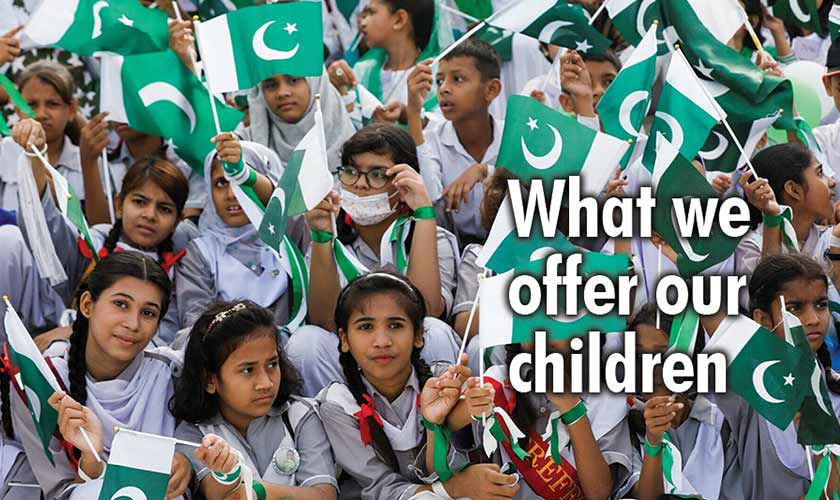
hat we offer our children cannot be separated from culture, community and collective identity. Ours has long been a society that prides itself on strong family ties, close-knit neighbourhoods and the belief that children belong not just to parents, but to an entire household, street and an extended family. The adage: bachhay sab kay hotay hain, reflects an old truth that raising a child was once seen as a shared responsibility. Yet, as Pakistan and the world undergo rapid social and economic changes, that village is being quietly reshaped and, in some cases, steadily eroded.
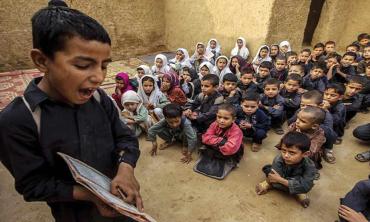
Traditionally, children in our society grew up surrounded by layers of care. Grandparents lived under the same roof; nearby aunts and uncles played active roles; and neighbours kept a watchful eye. Children moved freely between homes, schools and streets, absorbing values through observation and interaction. Elders corrected behaviour without hesitation, and communal spaces—from courtyards to mohallas—served as informal classrooms, where children learned empathy, respect and social responsibility.
This system offered emotional security. A child was rarely alone and a struggling parent was seldom unsupported. When one household faltered, another stepped in. The burden of child-rearing was shared; in that sharing, communities built resilience.
Today, that structure is under strain; so is the imperative function of childrearing.
Urbanisation has transformed the institution of ‘family’ and its corresponding life. Joint families have, to a large part, given way to nuclear households, particularly those that choose to migrate to bigger cities or abroad, where rising rents, smaller homes and job mobility make shared living difficult. In such an environment, parents work longer hours to keep pace with economic pressures, often leaving children in the care of screens rather than people. In gated communities and apartment buildings, neighbours may live side by side for years without knowing one another’s names.
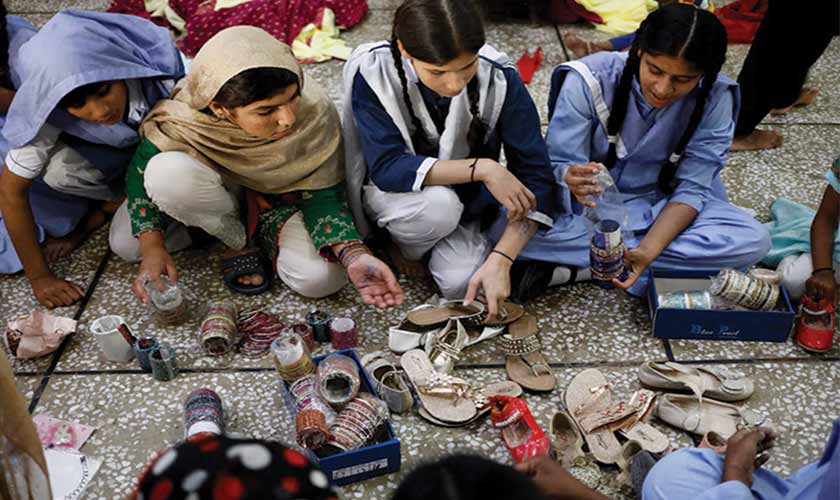
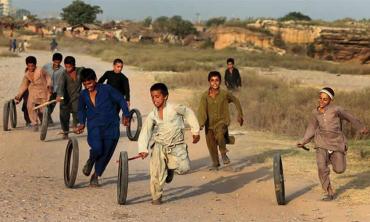
Even physical public spaces for children are shrinking. Streets once used for play are now crowded with traffic. Parks are scarce, unsafe or inaccessible. Schools have become high-pressure environments focused on grades and competition while emotional development receives far less attention.
Technology has filled some of these gaps—but not without a cost. Smartphones and social media have become substitutes for companionship, exposing children to influences far removed from their lived realities. On the internet, the people children likely reach out to are their peers. Children are, therefore, growing up in a paradox: surrounded by people, yet often emotionally isolated; deeply connected online, yet increasingly disconnected from community life. This disconnect is further compounded by some parents overcompensating for their own childhood misgivings surrounding the English language with their children. This approach might perhaps make communication in the language easier for children but renders further communication between them and a majority of people not fluent in English—be it a kaamwali or the relative who visits from the village or a grandparent—almost impossible.
The growing lack of interaction between children and older generations has quietly reshaped how children understand history, identity and continuity. When grandparents, elders and extended family are absent from daily life, children lose access to lived memory—stories that humanise history beyond textbooks and timelines. Personal accounts of migration, hardship, cultural tradition or social change give historical events emotional depth and relevance. Without these intergenerational exchanges, history can feel abstract and distant, reduced to facts rather than experiences, making it harder for children to grasp how past shapes the present.
This separation also affects how children situate themselves in a broad social and cultural narrative. Interacting with older generations often teaches children values, resilience and perspective. In losing everyday access to elders, societies risk raising children who know history academically, but not intimately.
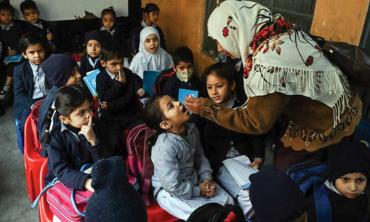
Institutions are therefore expected to compensate for what communities once provided. Schools, tuition centres and childcare services now shoulder responsibilities beyond education, often without the resources or training to do so effectively. Mental health support for children remains limited and heavily stigmatised. Conversations around anxiety, loneliness or emotional distress are still dismissed as weakness or ‘Western’ problems, leaving many children unheard.
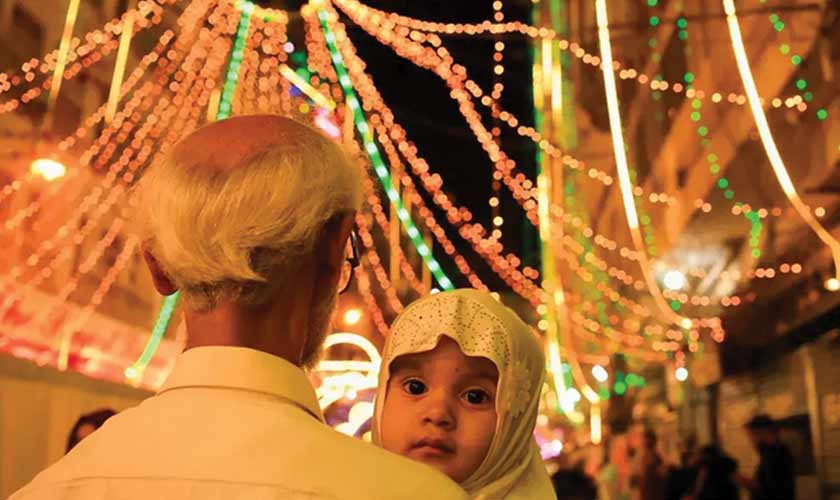
However, it would be misleading to suggest that child-rearing today is wholly diminished. In many important ways, societies have become more attentive to children’s rights, needs and voices than ever before. There is greater awareness of child psychology, emotional development and mental health, allowing parents and caregivers to respond with more empathy rather than punishment. Practices once considered normal—emotional neglect, excessive discipline or silence around a child’s feelings—are now widely questioned. Children today are more likely to be encouraged to express themselves—to be listened to and to grow up knowing that their emotions matter, not just their achievements.
Moreover, advances in education, healthcare, and social advocacy have improved outcomes for countless children. Early childhood education is better understood and more widely promoted, developmental delays are identified sooner and conversations around neurodiversity and inclusion have broadened what it means to thrive. Parenting itself has become more intent.
It still can’t be denied that this is largely a society that places immense expectations on children—to succeed, provide and uphold family honour—that we often overlook the support they need to carry that weight.
The village has not disappeared entirely. Across Pakistan, informal networks continue to emerge in new forms. Extended families still play a crucial role in many households. Community-led initiatives, parents WhatsApp groups and school and neighbourhood communities are attempting—often quietly—to recreate spaces of shared care. What is missing is cohesion and intent. We have to realise that a modern approach towards child rearing has to keep in step with the new times while keeping in mind what worked before. Only then can we hope to better parent our children.
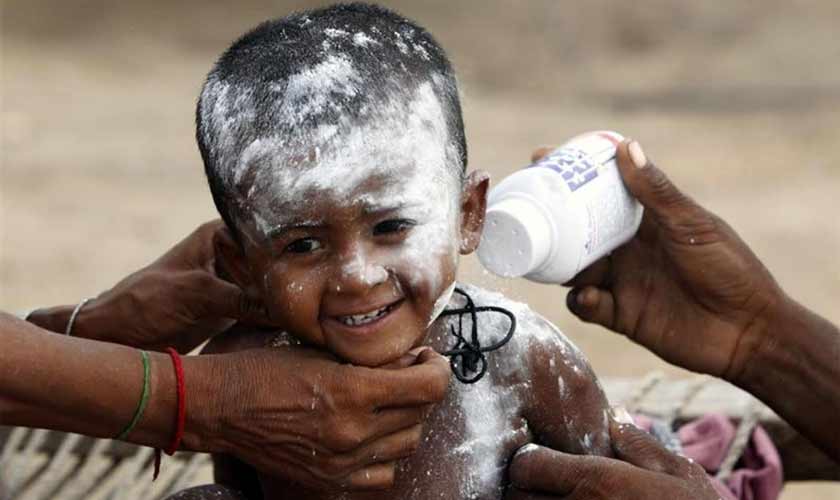
Equally important is restoring everyday acts of collective responsibility: knowing your neighbours; allowing children to play without fear; letting elders guide without shaming; creating environments where children are seen, heard and protected—not just within their homes but also beyond.
The Pakistani village may no longer look like it once did, but its essence remains deeply embedded in our culture. The question is whether we choose to adapt it to modern realities or allow it to fade under the weight of individualism and economic strain.
What we offer our children today—our time, attention, sense of shared responsibility—will define not only their futures, but also the moral fabric of the society. A society that nurtures its children collectively invests in its own survival. Rebuilding the village is not a romantic ideal; it is a social necessity.
The writer is a published anthropologist. She has taught at the International Islamic University, Islamabad, and National University of Medical Sciences. She is also a Red Cross/ Red Crescent Youths as Agents of Behavioural Change trainer.