Print Story
X




What more needs to be done to support child health and development in Pakistan
| T |
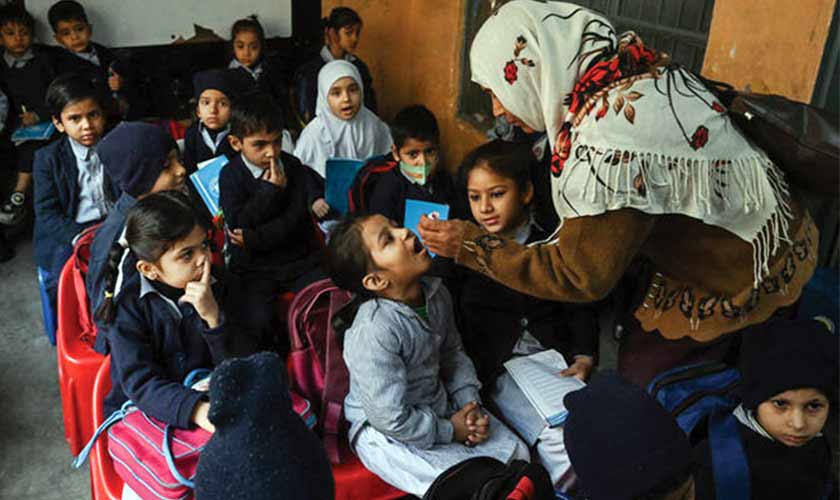
o date, there has been an understandable focus on reducing the high burden of preventable child deaths in Pakistan (mostly less than five years of age). These numbers are large as children under five years of age are almost 15 percent of our population (accounting for an estimated 37.8 million children overall). However, a larger proportion of children (an estimated 25 percent or 64 million of the population), are between 5 and 15 years of age. It is these children and young adolescents that are getting ignored in national programmes and policies, even though their health and well-being is crucial to national development.
The health and nutrition of Pakistan’s school-age children and young adolescents is one of our most pressing public health challenges, yet invisible to many policymakers and practitioners. A large proportion of children enter this age group with compromised health and undernutrition. High rates of anaemia and stunting (being shorter than their full genetic potential) have been reported consistently.
A recent survey of almost 6,000 children 5-10 years of age from Sindh and the Punjab showed that nearly 18 percent of them were underweight, 23 percent stunted and over a third (35 percent) anaemic (with low levels of haemoglobin in the blood). Alongside these markers of undernutrition, there is clear evidence of rising trends of overweight and obesity (with prevalence of between 7 percent and 9 percent among school children living in cities of Sindh and the Punjab, respectively). These health and nutrition disorders are also accompanied by a range of other manifestations of ill health such as poor dental/ oral hygiene, skin problems and visual difficulties.
There are legitimate concerns that not only are these health and nutrition factors detrimental to learning and normal development in children but also seeds of long-term ill health and chronic disorders in later life that are sown in early formative years.
These manifestations of ill health, poor nutrition (including both overweight and frank obesity) as well as developmental deficits are driven by well-known social determinants of health, such as poverty, marginalisation and poor access to adequate healthcare and education. Although exact figures are debated, current estimates suggest that some 28 percent of children (over 25 million) are out of school nationally, with large provincial disparities. The highest rates of children out of school (45-69 percent) are in Balochistan, with consistently higher rates of exclusion among girls. This nexus of lack of education, especially quality education, poor nutrition and ill health, has been widely recognised as a major driver of poor early childhood development (ECD) in Pakistan.
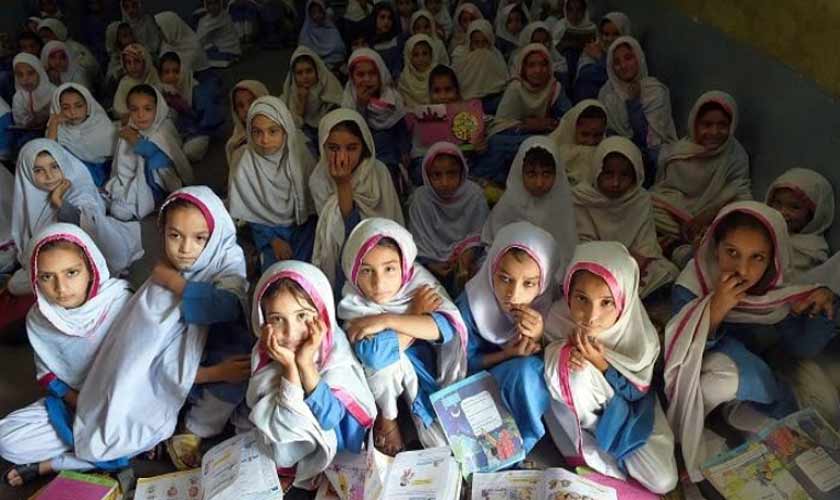
The ECD includes holistic physical growth as well as cognitive, social and emotional development with lifelong potential for well-being and gains in human capital. The aforementioned multiple deprivations faced by a large cohort of Pakistan’s children—including limited access to good health, nutrition and learning potential—have economic costs running into billions of dollars, far exceeding our entire national debt.
What can and should be done?
First, the foundations of good health and nutrition for school-age children and young adolescents are set in early childhood. Improving the health of mothers and infants alongside access to quality pre-primary and child education (and ECD) services is critical. Such fundamental access to quality education services is enshrined in our constitution and underscored by the 2009 education policy (and its subsequent permutations at provincial level). However, implementation of services integrated around health, nutrition and education remains poor and insufficient. This must be assured.
Second, Pakistan needs to develop evidence-informed school health and nutrition programmes that not only address unmet needs for school age children and adolescents but also provide services for screening, prevention as well as health and nutrition education for children and their families. Recognising and preventing key micronutrient deficiencies and anaemia in children, especially girls, is critical to adequate nutrition in late adolescence and adulthood. A well designed, culturally relevant school nutrition programme, coupled with appropriate education for children into healthy diets and physical activity also has the potential to prevent overweight and obesity.
Such school-based interventions can also be an important platform for community outreach and engagement. Several models for this exist that can be emulated. Given the rapidly changing food environment and the growth of ultra-processed fast foods among all sections of the population, informing and educating families through school-based platforms is just as important as restricting inappropriate advertising in and around schools.
Lastly, these activities should not be patchy and sporadic and must have non-partisan political ownership. Pakistan experimented with an isolated school nutrition programme over two decades ago, which failed and was stopped, setting back school health and nutrition services for many years to come. It is time for the governments to bring together educationists, politicians and policymakers as well as public health/ nutrition scientists and social safety net programmes to develop holistic services for school-age children and adolescents. These should have tangible and measurable benchmarks and outcomes from the outset with an equity focus. Such a multi-sectoral programme focused on reaching marginalised populations could go a long way in improving our human development indicators.
The writer is the founding director of the Institute for Global Health and Development, the Aga Khan University South-Central Asia, East Africa and United Kingdom. He can be reached at [email protected].