Print Story
X




Despite laws and social protection initiatives, children in Pakistan continue to face deprivation and abuse
| T |
he Holy Prophet Muhammad (peace be upon him) taught that “He is not of us who does not show mercy to our young and respect to our elders,” reminding us that compassion for children lies at the heart of moral and social responsibility. A society is ultimately judged by how it treats its children. Beyond political slogans and policy announcements, everyday realities of childhood reveal whether a nation is truly investing in its future or merely struggling through its present.
From a child rights perspective, the real question is what a society owes its children.
According to reports by the National Commission on the Rights of the Child, Pakistan’s children continue to face severe deprivation despite numerous laws, policies and social protection initiatives. More than 25 million children remain out of school; many lack basic literacy and numeracy skills. Millions are engaged in child labour. Widespread malnutrition undermines children’s health and development. Vulnerable groups—including children with disabilities, religious minorities and transgender children—face entrenched discrimination and systemic exclusion. Protection concerns such as child marriage, violence and exploitation persist, exposing a troubling gap between Pakistan’s legal commitments under the UN Convention on the Rights of the Child and the lived realities of its children.
This gap is most visible when examining the child’s right to survival, the most basic promise a society makes. Under the UNCRC, survival is not limited to keeping children alive—it begins before birth and depends on maternal health, nutrition and access to quality care. Pakistan’s move toward legislating maternal and perinatal death surveillance and response systems (MPDSR), with Balochistan leading through the enactment of the MPDSR Act of 2025, reflects growing recognition of this obligation.
Yet, persistent malnutrition, stunting and preventable diseases, especially in rural and climate-affected areas tell a different story. Immunisation, nutrition programmes, safe water, sanitation and newborn care are not acts of charity; they are indicators of what we truly offer our children. When access to these essentials is uneven, survival itself becomes unequal.
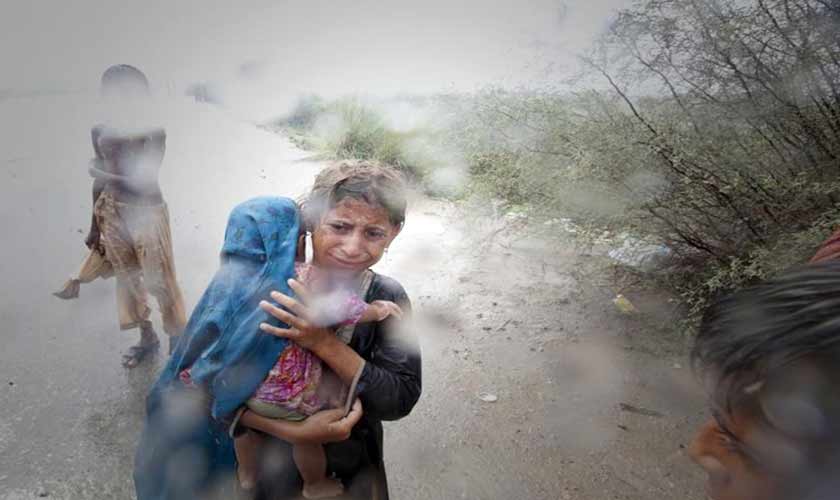
Education is often described as Pakistan’s greatest investment in its future, yet the experience of millions of children reveals a far more troubling reality. Despite constitutional guarantees and laws mandating free and compulsory education, over 25 million children aged 5-16 remain out of school, one of the largest education gaps globally. Those who attend often study in overcrowded classrooms, with poorly trained teachers, unsafe facilities, and, in some cases, routine corporal punishment. The Pakistan SDGs Status Report 2023 confirms that the country is falling behind on SDG 4, with weak learning outcomes and stark disparities between provinces, and urban and rural areas. Chronic underinvestment and governance failures continue to undermine the promise of quality education for all.
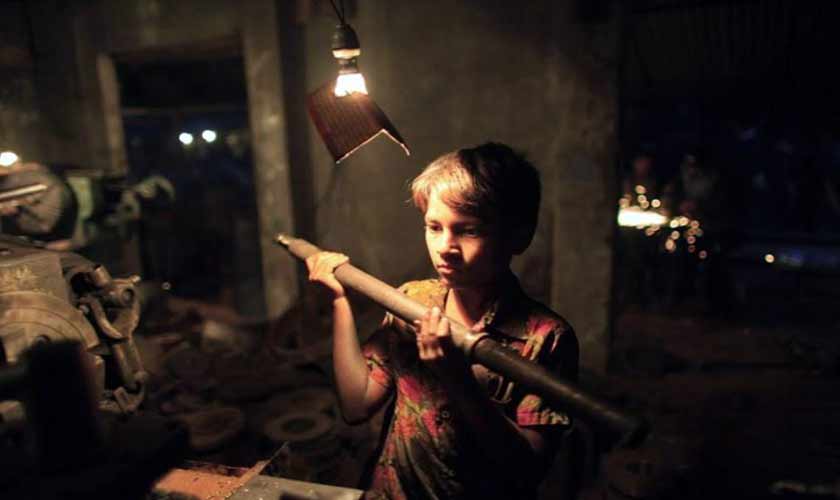
How violence against children has become normalised is most disturbing. Corporal punishment in homes, schools and madrassas, child labour, child marriage, physical and online sexual abuse and trafficking persist despite legal prohibition. Child domestic labour widely recognised as one of the worst forms of child labour, and often related to contemporary form of slavery, still remains outside the scope of criminal law in Pakistan. Although the National Commission on the Rights of the Child has approved a draft bill to prohibit this practice, it has yet to be taken up by the parliament. This legislative inaction leaves thousands of children invisible, unprotected and acutely vulnerable to abuse and exploitation. Protection cannot be selective or symbolic; it must be absolute.
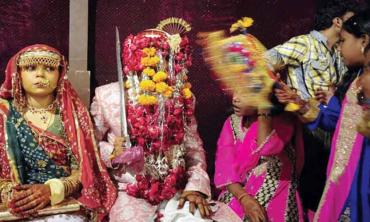
Following Sindh, recent legislative steps taken in the Islamabad Capital Territory and Balochistan to criminalise child marriage are a welcome and hopeful development, signalling a renewed commitment to the protection of children’s rights. The need of such reforms in Khyber Pakhtunkhwa and the Punjab is equally vital as girls married before the age of 18 face significantly higher risks during pregnancy and childbirth. Early pregnancies contribute to increased maternal and infant mortality, leaving young girls vulnerable to life-threatening complications and long-term health consequences. Beyond these grave health risks, child marriage steals childhood, cuts short education and traps girls in cycles of poverty, dependence and disempowerment.
How a country treats children in conflict with the law is another critical test of its commitment to human rights? Despite a progressive legal framework, children are still unlawfully detained, denied legal counsel and exposed to abuse in police custody and detention centres.
The Juvenile Justice System Act, 2018, promises a child-centred approach based on rehabilitation and due process, yet its implementation remains weak. In many jurisdictions, rules have not been notified, exclusive juvenile courts are absent or non-functional, legal aid systems are fragile; and diversion, probation and rehabilitation mechanisms exist largely on paper. When the justice system responds to children with punishment instead of care, it deepens harm rather than offering a second chance.
The right of children to be heard is equally important. Participation is not a symbolic exercise; it is central to accountability and effective decision-making. By ratifying the UN Convention on the Rights of the Child, Pakistan committed itself under Article 12 to ensure that children’s views are taken seriously. While the National Commission on the Rights of the Child has taken positive steps to institutionalise child participation, deep-rooted inequalities based on gender, class, geography, disability and minority status continue to silence many voices. When participation is reduced to a formality, policies drift away from children’s lived realities, leaving generations feeling invisible and powerless.
What should we be offering our children?
At the very least, safety instead of fear; education that empowers rather than excludes; justice that rehabilitates rather than punishes; and inclusion in place of silence and neglect.
Societies that place children’s rights at the centre of their development agendas reap lasting dividends in social cohesion, economic productivity and democratic stability. Those that fail to do so pay the price through recurring cycles of violence, inequality and unrest. Over the past two and a half decades, the state has taken several important and commendable steps to advance children’s rights, particularly in the areas of survival; development; protection from abuse and exploitation; and participation. Progressive legislation, institutional reforms and policy commitments reflect an increasing recognition that children have rights; they are not passive recipients of care. Yet, the answer to what we truly offer our children today lies not in intentions or legal texts, but in lived outcomes.
The writer is a law practitioner based in Lahore. He can be reached at [email protected].