Print Story
X




For women and children of Pakistan, universal health coverage is still far from being achieved
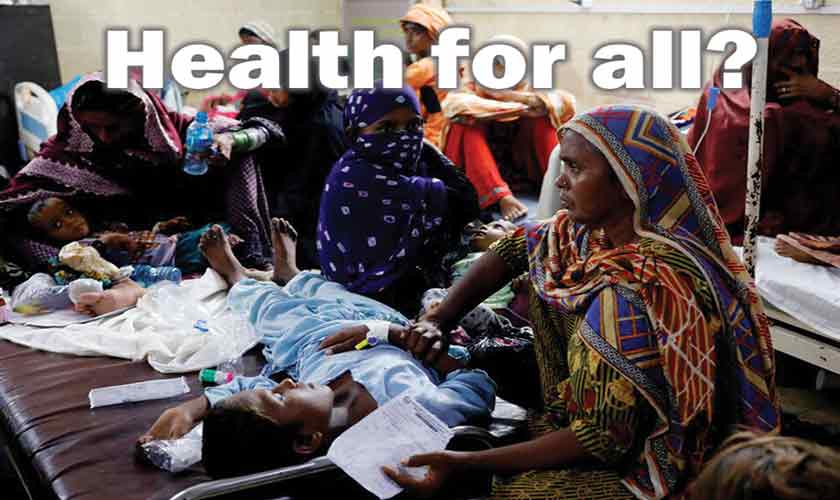
As we celebrate another Universal Health Coverage Day this December and ponder over the World Health Organisation’s recently released UHC tracking report, it is appropriate to address some of the core issues highlighted: progress and current bottlenecks in Pakistan. This is not to merely highlight the challenges faced by the health sector but also opportunities to address these in the immediate future.
The period of the millennium development goals (2000-2015) saw a remarkable global progress in addressing maternal and child health with a reduction in preventable maternal and child deaths by almost half (from an estimated 540,000 maternal deaths and 10 million under-five child deaths worldwide). Pakistan made considerable progress in reducing maternal deaths (from an estimated maternal mortality ratio of 419 per 100,000 births in 2000 to 202 by 2015) and child deaths (by 38 percent). The corresponding reduction in newborn deaths was much slower (25 percent) and hence, post-2015, while most countries made rapid progress, Pakistan emerged as the country with the highest newborn mortality rate, globally—a status that has continued for several years now.
As the world pivoted to the Sustainable Development Goals in 2015, the World Health Organisation focused on UHC as its main global action plan with a convening in Almaty in 2018 celebrating the 40th anniversary of the 1978 Alma Ata declaration of “health for all by the year 2000.” The Covid-19 pandemic interrupted global health and country level progress significantly, and although most countries have recovered substantively, others such as Pakistan have been further hit by climate change related disasters and a debilitating security crisis in various parts of the country.
Let’s examine the situation on the ground based on the tracking system developed by the WHO.
The mainstay of the global UHC monitoring framework within the SDG3 progress evaluation uses two main indicators: the UHC service coverage index (UHC SC index), a composite index with a score from 0 to 100, with the higher number being better. This UHC SC index is a measure of 14 tracer indicators covering the broad health domains of reproductive, maternal, newborn and child health (RMNCH); infectious diseases; noncommunicable diseases; and general service capacity and access. It has been argued that in the interest of parsimony, WHO only includes a limited set of RMNCH indicators such as family planning, antenatal care, pentavalent vaccine coverage and access to childhood pneumonia treatment.
While important, these measures ignore the importance of maternal and newborn health (and survival) in general, and completely ignore childhood undernutrition—all priority areas for Pakistan. The other important indicator captures the proportion of the population facing financial hardship in health, reflecting out-of-pocket expenditures on health that come at the expense of other necessities (such as food) or drives families into poverty.
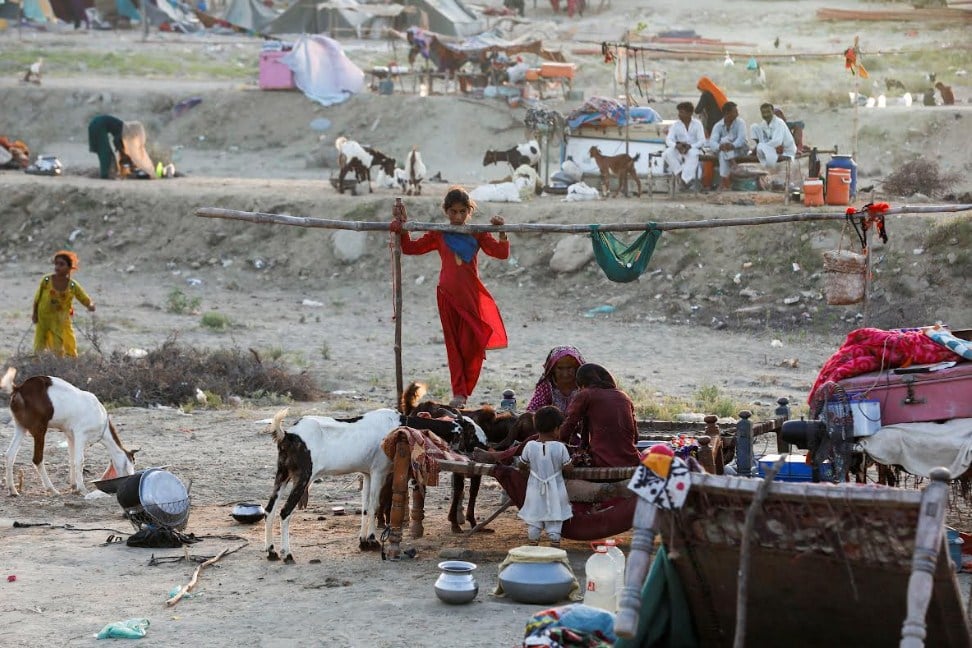
Pakistan’s UHC ranking and progress in maternal and child health and nutrition, should have been integrated within DHIS2 a long time ago.
Notwithstanding these limitations, let us review the progress in Pakistan.
The recent report by the WHO ascribes Pakistan at a UHC SC Index of 56, almost at par with Bangladesh and much lower than India and Sri Lanka (at 69 and 72, respectively). A third of the population faces financial hardship. This status mirrors where the world was in the year 2000 (and the lack of progress over time). Even these figures are debatable as the data referred to in the WHO report are from 2018 (likely from an independent demographic and health survey in 2018). Other national level reports developed in collaboration with donors have looked at subnational trends and available government statistics and while indicative of progress, still paint a picture of large disparities and slow progress. The last report in 2024 showed that of 152 districts in Pakistan, some 45 (30 percent) had an SC index of less than 40. The difference between the UHC SC index in Balochistan (38.4) and other provinces was almost twofold suggesting enormous disparities
These findings and challenges are not new nor fixable in the short term.
Are there priority actions that can help Pakistan move forward? The answer is yes. This starts with paying close attention to monitoring and evaluation of progress and accountability.
Pakistan has a well-developed system of capturing information within its health system across the country, called the District Health Information System (now called DHIS2). Considerable resources and information system resources are expended on collecting and collating this information. Yet, it is hardly ever used for planning and data quality remains poor. In contrast to polio surveillance and reporting systems, comparable information for routine immunisation and other maternal and child health indicators is non-existent.
Pakistan’s UHC ranking and progress in maternal and child health and nutrition, should have been integrated within DHIS2 a long time ago. Now that donor funded surveys have largely disappeared, concerted government effort should be expended to make Pakistan’s health information system effective and fit for purpose. Over three years ago considerable effort was expended in developing and strengthening a federal Health Data Centre at the National Institute of Health. Sadly, it dissipated because of inattention to its importance. These information hubs are critical for policy and planning and play a central part of health information systems in other countries of the region.
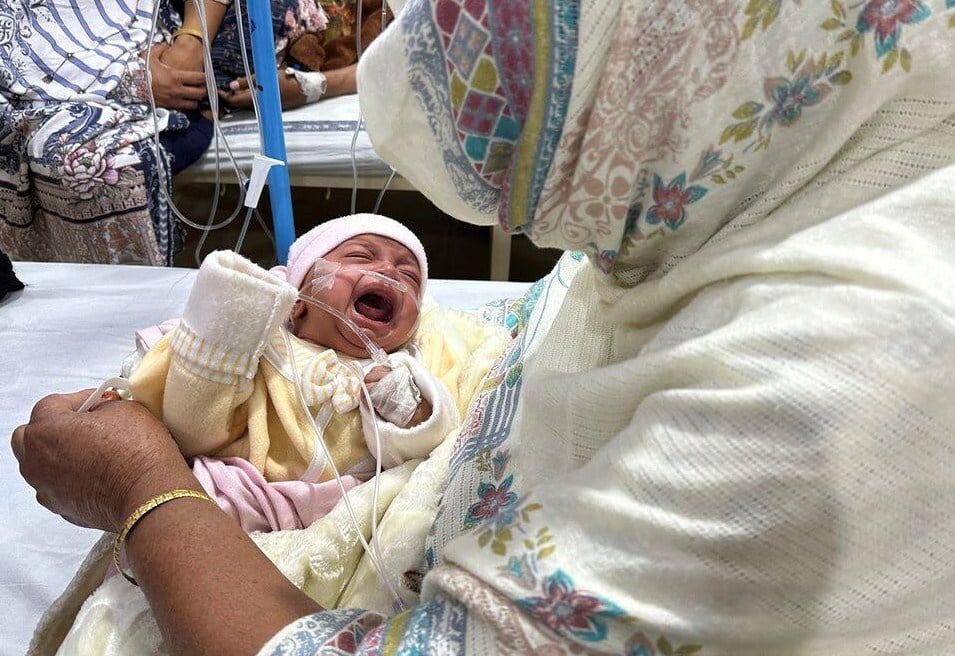
Pakistan’s UHC annual reporting to date has also been with support from the UK government and available dashboards, when active, largely report infectious diseases rather than standardised health and nutrition indicators. This should change.
Recognising disparities and acting upon them should be a national and provincial priority. The world has advanced in reporting subnational trends through data visualisation and geospatial maps that offer a better sense of inequities (unfair inequalities). We should do the same at district level with an awareness of these huge geographic variations within the country that need to be bridged. It shouldn’t take an annual UHC report to highlight the abysmal state of public health in Balochistan and other sub-provincial regions.
For Pakistan to truly implement universal health coverage, the law of averages shouldn’t subsume these marginalised regions. Accountability of local level political and public sector representatives from districts ranking low on human development indices, indicators of women and children’s health and the UHC SC index, should be based on these hard data and progress.
The writer is the founding director of the Institute for Global Health and Development, the Aga Khan University South-Central Asia, East Africa and United Kingdom. He can be reached at [email protected].