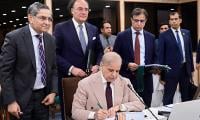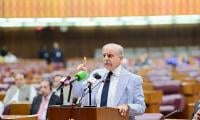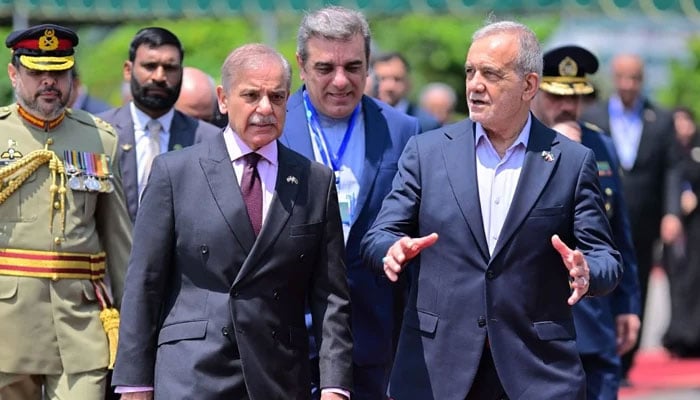
Prime Minister Shehbaz Sharif’s announcement on Monday that Iran and the US have finally agreed to a comprehensive peace deal could mark one of the most consequential diplomatic breakthroughs of recent years. According to the prime minister, following intensive negotiations and sustained diplomatic engagement, both sides have agreed to the immediate and permanent termination of military operations on all fronts, including Lebanon, with the formal signing ceremony scheduled for June 19 in Switzerland. If the agreement holds and is formally signed, it will mark the culmination of months of painstaking negotiations, regional mediation and political risk-taking at a time when the prospects for peace appeared increasingly remote. Even after Pakistan successfully brokered a temporary ceasefire in April and facilitated high-level face-to-face talks between American and Iranian officials in Islamabad, a final settlement remained elusive. Repeated setbacks, Israeli efforts to derail the process and the often unpredictable shifts in US President Donald Trump’s position combined to delay an agreement that many believed might never materialise. Yet, Pakistan persisted in its diplomatic efforts. Prime Minister Shehbaz Sharif and Foreign Minister Ishaq Dar continued their engagement with both sides, while COAS-CDF Field Marshal Asim Munir and Interior Minister Mohsin Naqvi undertook multiple visits to Tehran to keep dialogue alive.
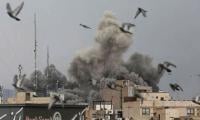
That said, there remains enough reason for caution. With the signing ceremony still days away, Trump’s mercurial political style and Israel’s long-standing role as a spoiler in regional diplomacy mean that nothing can be taken for granted. Nevertheless, there is once again a sense of optimism that was absent after the April talks concluded without a signed agreement. Looking back at developments since February 28, one conclusion stands out to many across the region: the conflict produced no genuine winners by military means. The war inflicted enormous costs not only on Iran but on the wider Middle East and the international community too. Against this backdrop, Pakistan emerged as the principal mediator, willing to assume the risks of bringing deeply hostile parties to the negotiating table. Islamabad’s efforts extended beyond facilitating direct US-Iran dialogue. Pakistan also succeeded in securing the support and involvement of important regional actors, including Turkiye, Egypt, Qatar and, perhaps most significantly, Saudi Arabia. The conflict also exposed broader geopolitical realities. The US invested enormous political and military capital in the confrontation, yet failed to achieve many of its stated objectives. Despite suffering significant leadership, security and civilian losses, Iran’s political system endured. Rather than producing regime change, the war appeared to strengthen national cohesion.
The war also raised uncomfortable questions about the limits of military power in a changing international order. Iran, despite years of economic sanctions and international isolation, showed the world a capacity to withstand pressure that surprised many analysts. The conflict further fuelled debate about the gradual emergence of a more multipolar world and the relative decline of unchallenged American dominance. Equally significant was the strain placed on relations between Washington and its Gulf partners. Iran, meanwhile, enters the post-conflict period having weathered immense hardship but also having secured important diplomatic gains. Beyond surviving a military confrontation with far more powerful adversaries, Tehran has won international recognition for its resilience. The Gulf states face an important moment of reassessment. Improving relations with Iran and reducing dependence on external security guarantees may prove essential for achieving long-term regional stability and a sustainable peace architecture in the Middle East. Pakistan’s role throughout this crisis deserves recognition. Navigating between an unpredictable American administration and an understandably sceptical and angered Iran required persistence, diplomatic skill and political courage. Once the agreement is signed and implemented, it should serve as a reminder that diplomacy remains the most effective instrument for resolving even the most dangerous international disputes. And eventually, history may well record that Pakistan played a pivotal role in bringing the world back from the brink.