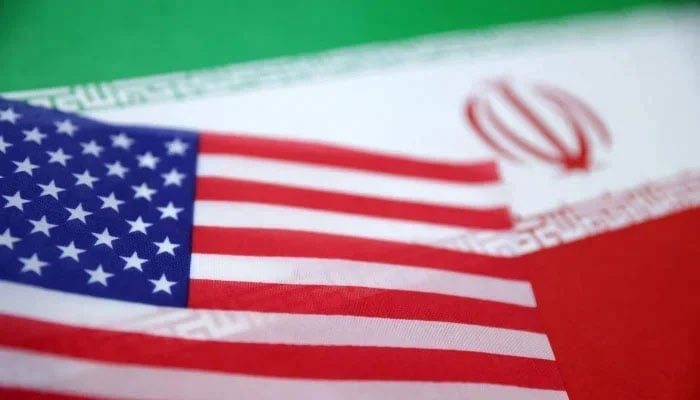
If reports emerging over the weekend are accurate, the world may be on the verge of witnessing a historic breakthrough. Prime Minister Shehbaz Sharif announced on Saturday that Iran and the US were closer to a peace agreement than ever before, with the finalisation of a deal expected within 24 hours. According to the prime minister, Pakistan is preparing for the electronic signing of the agreement, to be followed by technical-level talks. A day earlier, he had stated that the final text of the US-Iran peace deal had already been agreed upon, while warning of an “incessant misinformation campaign” by forces seeking to sabotage the process. The sense that a breakthrough was imminent was reinforced by Iranian Foreign Minister Abbas Araghchi, who stated on Friday that a deal to end the war had “never been closer” while urging the media to avoid speculation until negotiations were complete. Some media reports on Saturday also suggested that Foreign Minister Ishaq Dar informed his Saudi counterpart that the electronic signing ceremony was scheduled for Sunday. Taken together, these developments suggest that months of painstaking diplomacy may finally be reaching their conclusion.
Should the agreement be signed, it will mark a major diplomatic achievement for Pakistan. It was in Islamabad that the two sides were brought to the negotiating table following the temporary ceasefire announced by US President Donald Trump in April. Since then, Pakistan has remained engaged despite repeated setbacks, shifting political signals and persistent efforts to derail the deal. That spoiler, throughout this entire process, has been Israel. While much of the public narrative sought to portray Iran as the principal obstacle to peace, events repeatedly pointed elsewhere. Israel remained the actor with the greatest interest in preventing a settlement between Tehran and Washington. Every indication that diplomacy was making progress seemed to be accompanied by developments that threatened to undermine it. When it comes to sabotaging efforts at regional de-escalation, Israel has repeatedly demonstrated a willingness to act as a spoiler. Indeed, supporters of the negotiations argue that the war itself need never have occurred. Before the conflict began on February 28, Iran and the US were already engaged in negotiations mediated by Oman and appeared close to reaching an understanding. The Strait of Hormuz remained open. Diplomacy was advancing. There was a realistic prospect of a negotiated settlement. By many accounts, it was Israeli Prime Minister Benjamin Netanyahu who altered the course of events. By convincing President Trump that military action against Iran offered a more effective path than diplomacy and that regime change was within reach, Israel helped steer the region away from negotiations and towards war.
Of course, the assumptions that prompted the attack on Iran proved deeply flawed. Rather than producing regime change, the war strengthened Iran’s resolve and deepened regional instability. The economic consequences were equally severe. The closure of the Strait of Hormuz triggered a global energy and economic crisis, affecting countries far removed from the conflict itself. Markets were disrupted, supply chains came under strain and the world was reminded once again that instability in the Middle East carries consequences for everyone. Throughout this period, Pakistan continued to push for dialogue. These efforts reflected an understanding that diplomacy, however frustrating and slow, remained the only viable path out of the crisis. Those who dismissed the negotiations as futile or claimed that the public had lost interest in the process have now been proven wrong. The world watched these talks closely because the stakes were enormous. If the Islamabad Memorandum of Understanding is signed, it will therefore stand as a vindication of diplomacy over war. It will also represent a setback for those who sought to prolong the conflict and prevent a settlement from emerging. But signing the agreement will not be enough. If peace is to endure, the US must confront the reality that Israel has repeatedly acted as a destabilising force in the region. The same impulses that helped derail diplomacy with Iran continue to fuel tensions elsewhere, particularly in Lebanon. Unless Washington is willing to restrain its closest ally and prevent further acts of escalation, the gains achieved through any deal may prove temporary. For now, however, the prospect of a deal offers a rare cause for optimism. Let’s hope this actually happens.